Subscribe to our social channels to get the latest news about Hungary!


Archaeological excavations in Visegrád have uncovered a remarkable collection of artefacts, shedding light on the intense sieges that shaped the region in the 16th and 17th centuries. Among the findings is a rare fragment of a cabasset helmet, a key piece of military equipment from the period.
As we have reported HERE, Archaeological discoveries at Visegrád have shed light on medieval architectural innovation. Using 3D scanning, experts reconstructed the Franciscan Church sanctuary vault, linking it to designs preserved at St Stephen’s Church in Vienna. Notably, carvings by Anton Pilgram, a pioneering master builder, reveal his early use of curved rib vaults at Visegrád, a technique later refined in Vienna. This milestone, part of the Visegrád Renaissance Development Programme, celebrates the town’s rich cultural heritage and its influence on Central European architecture.
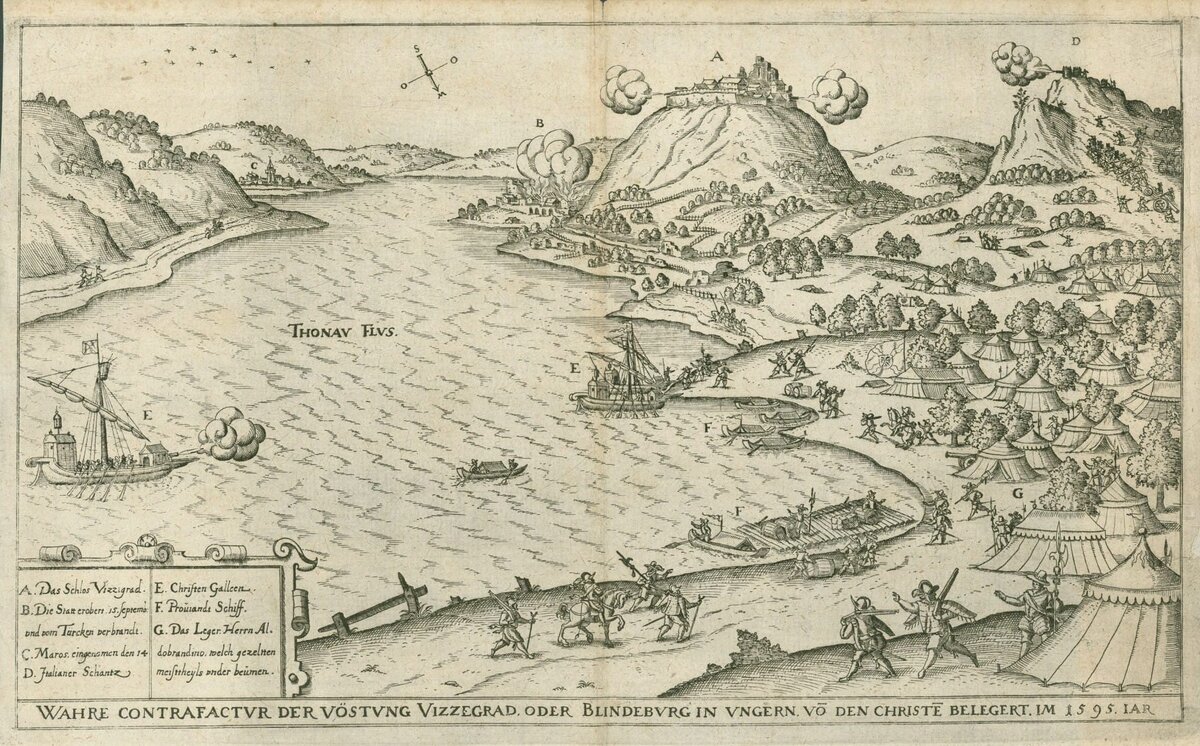
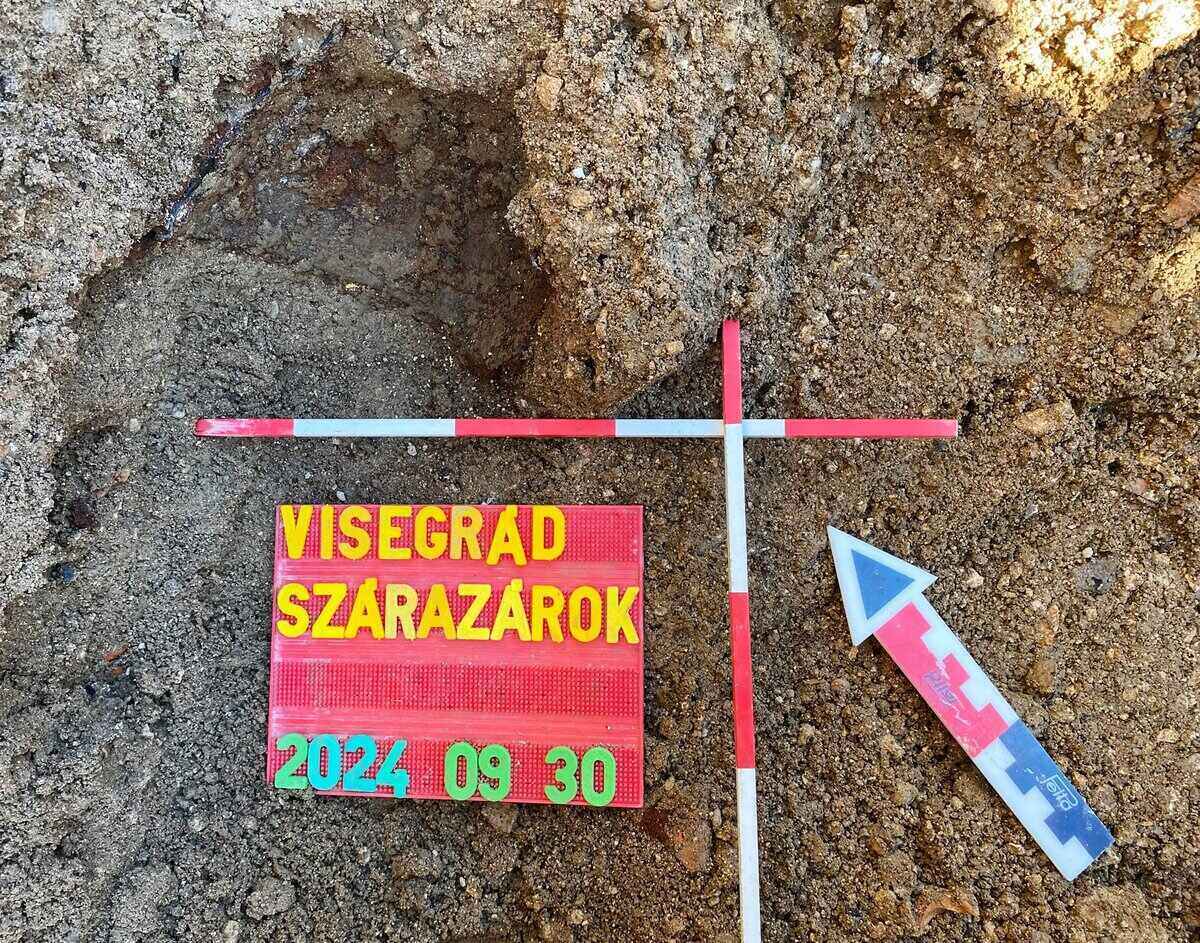
According to the National Archaeological Institute, archaeological excavations at the Visegrád Citadel’s Anjou-period dry moat have uncovered a wealth of artefacts, many linked to the sieges that took place during the early modern period. Among the discoveries are fragments of small arms, cannonballs, arrowheads, and the remains of stabbing and cutting weapons, all dating from the mid-16th to early 17th centuries. The intensity of the conflict is evident from the presence of small arms ammunition and pickaxe damage on several objects, reflecting the fierce battles fought in and around the citadel during this tumultuous period in history.
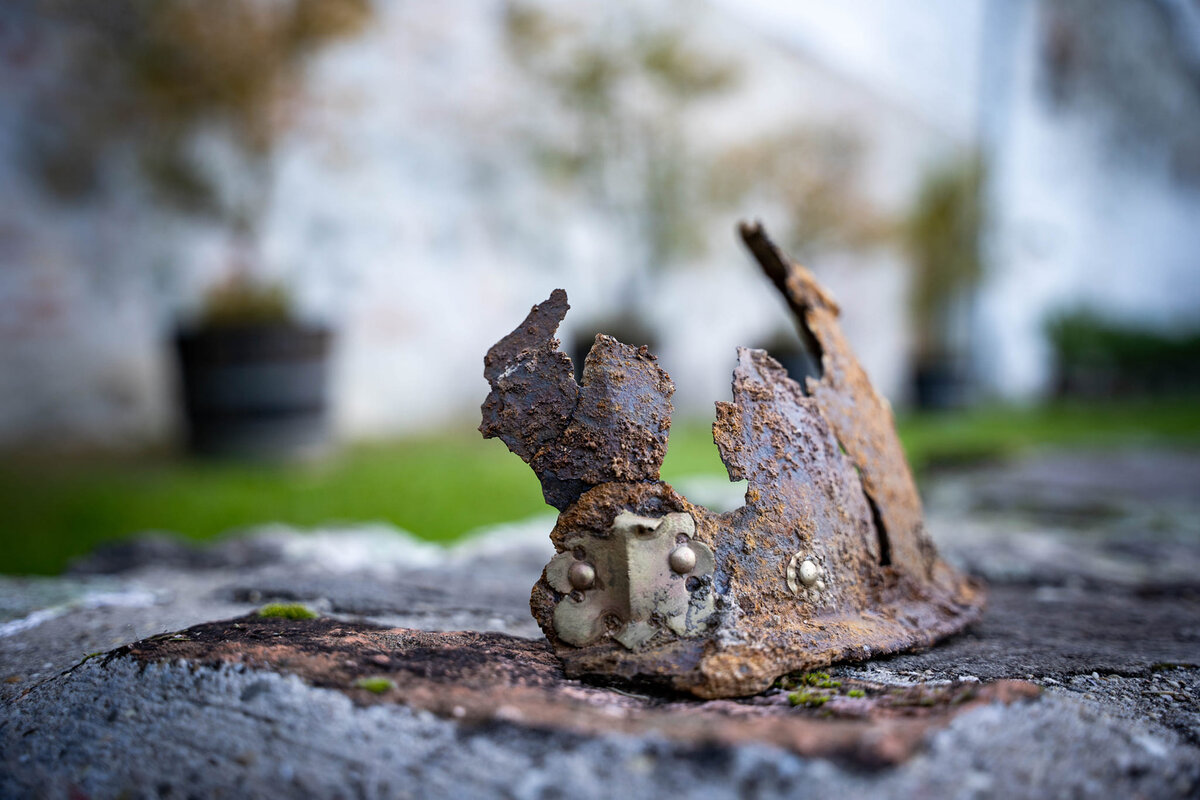
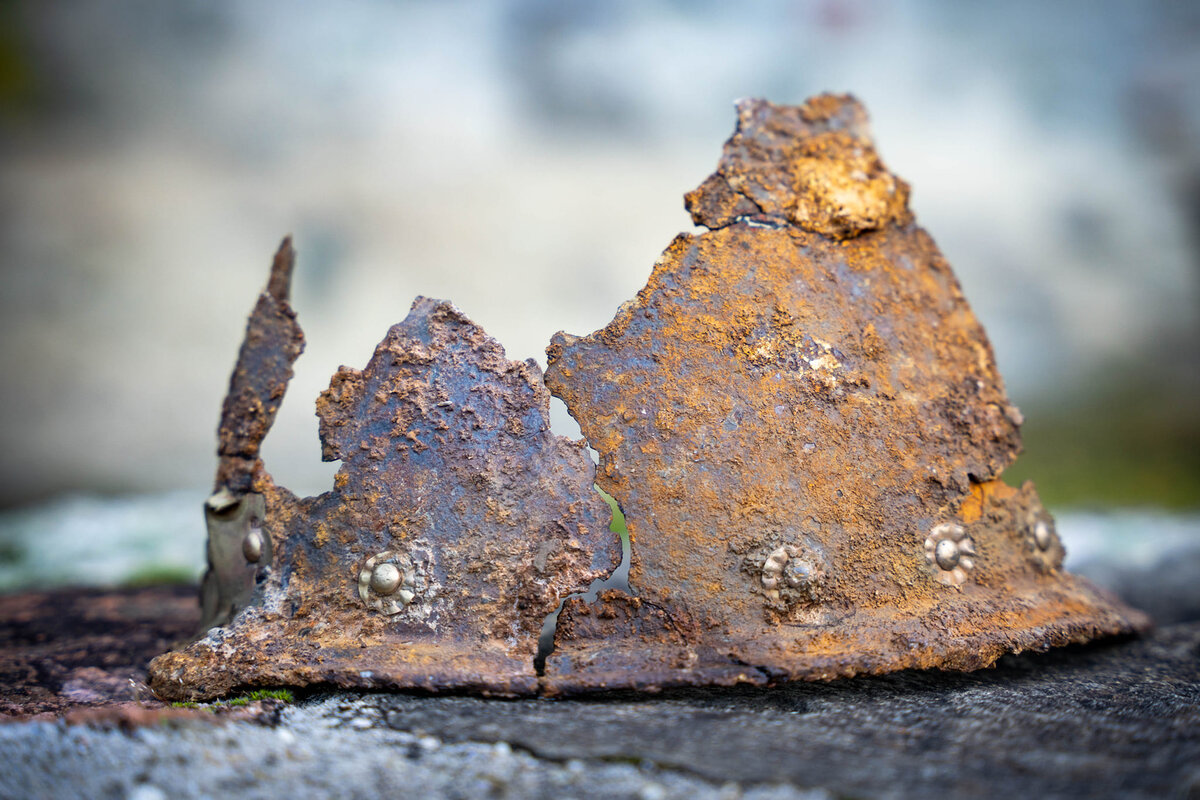
One of the most striking finds is a fragmentary cabasset helmet, a type of conical infantry helmet that was widely used across Europe during the 16th and 17th centuries. The helmet is decorated with copper rosettes along its rim and features an ornate copper feather swivel at the back. This design suggests that the helmet belonged to a soldier, likely a Habsburg mercenary, and was part of their armament during or after the Fifteen Years’ War.
A comparison with similar helmets in the Visegrád Museum’s collection further highlights the uniqueness of this find. The example on display in the Solomon’s Tower exhibition shares the same feather swivel, making it an exact parallel, while another helmet in the palace weapons exhibition is simpler in design, reflecting a more common type of equipment used by infantrymen at the time.
The Visegrád excavation forms part of the larger Visegrád Renaissance project, which aims to preserve and promote the cultural heritage of the region. The project, managed by Várkapitányság Ltd., continues to shed light on Visegrád’s significant role in Central European history. This cabasset helmet, despite its fragmentary state, offers valuable historical information due to its well-dated archaeological context, aided by accompanying numismatic finds.
Read also:


