


Hungary’s EU vetoes: A clever move or a dangerous game?

Change language:
In recent years, when it comes to vetoes in the European Union, Hungary’s name has come up time and again. The country has become one of the biggest challenges to the decision-making mechanism, with its government threatening or actually using vetoes on numerous occasions.
This was particularly the case in the EU’s foreign policy issues, where unanimity is the rule. However, the situation may not remain the same: more and more Member States are looking for ways to circumvent or limit the veto mechanism.
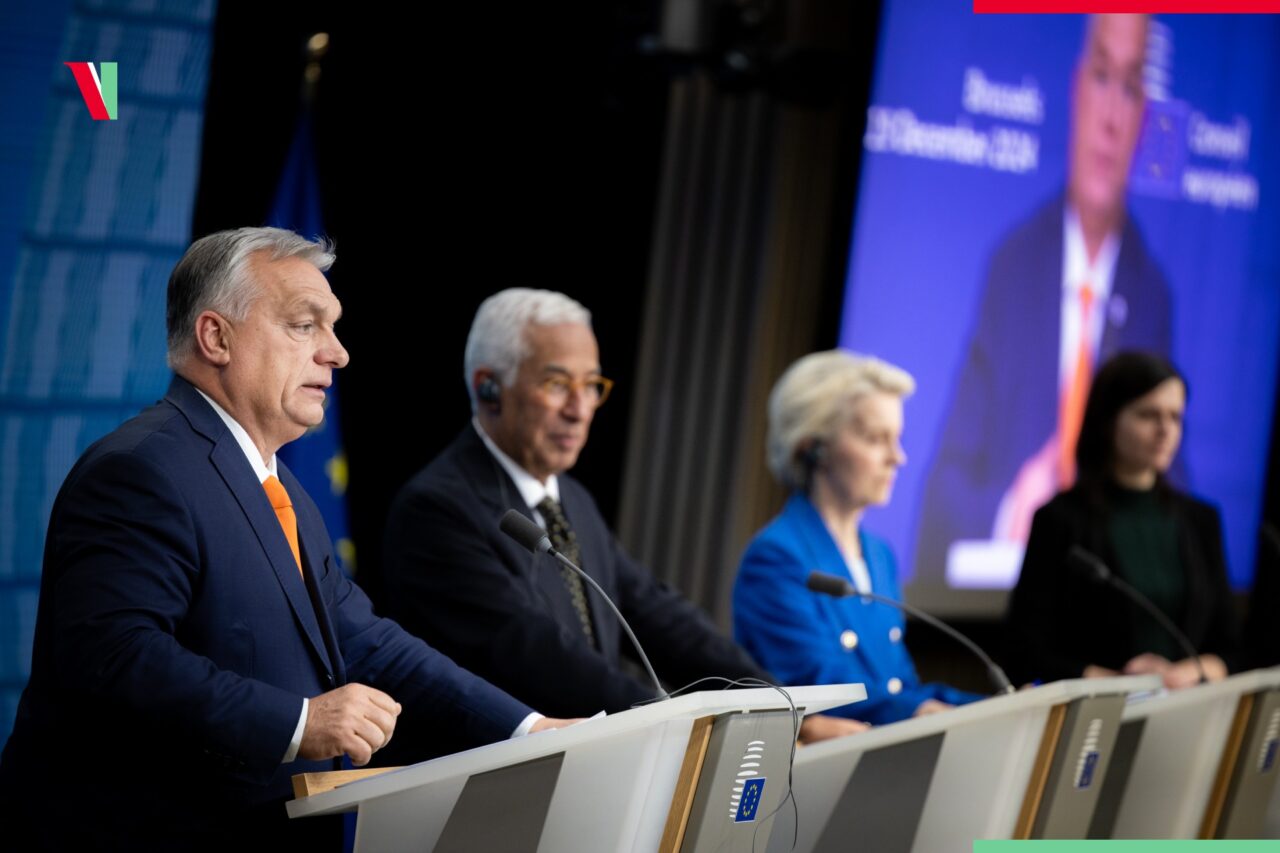
The European Union is fundamentally built on a culture of consensus: although in many areas, decisions can be taken by a qualified majority, in practice, Member States negotiate until everyone agrees. However, foreign policy is an exception, where unanimity is the rule. This gives each Member State the opportunity to use its veto power to advance its own interests, even at the expense of other countries.
Hungary has consciously and regularly used this option, often alone or together with a few other countries, to block unified action by the Union. This is particularly true on the issue of sanctions against Russia, where the Hungarian government has repeatedly delayed or jeopardised joint decisions – but has usually voted in favour of them in the end.
The dominance of Hungarian vetoes in the EU
According to ATV, there were 30 vetoes in the EU’s foreign policy between 2016 and 2022, and the Hungarian government was responsible for sixty percent of them. This means that Hungary has become a prominent player in the mechanism that blocks EU decision-making. However, vetoes are not only a legal instrument but also a political weapon that can be used for strategic purposes. In the case of the Hungarian government, it was mostly about strengthening its own negotiating position.
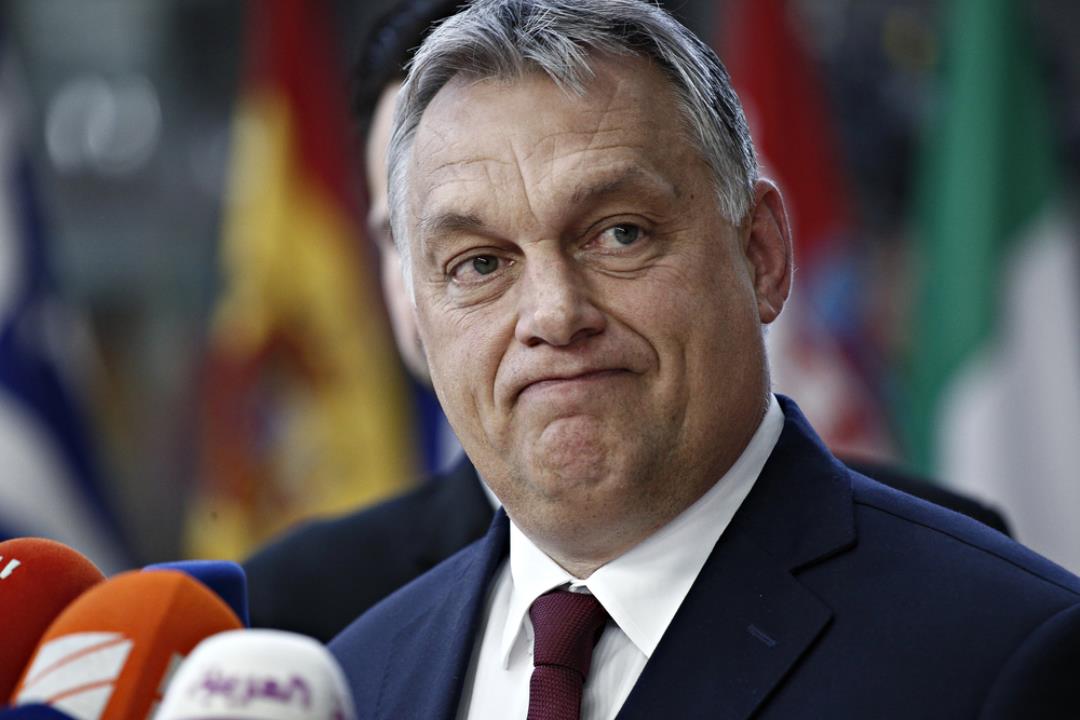
The Hungarian veto strategy is understandably not an unqualified success in the EU. In recent years, there have been several occasions when 26 countries have agreed on something, while Hungary, alone or with one or two others, has blocked the decision. This situation not only increases tensions between the Hungarian government and the EU institutions but also frustrates European partners.
Again. Imagine you have a member at your club or association, acting like Hungary does in the European Union?
I´m sure you´d all marvel at the cleverness of this member and help them out without hesitation, when needed!
again, imagine being a part of a club that once was there for the people, but now, is importing non-white rapists , giving money to terrorists and supporting nazism.
One would start vetoing all the time in this case, but some people think dictatorship from the EU is the standard.