Subscribe to our social channels to get the latest news about Hungary!


The Hungarian forint reached a historic low against the euro and the American dollar in 2022, following the Russian invasion of Ukraine. The Hungarian National Bank intervened to baulk further weakening. As a start, it raised the base interest rate sky-high. After that, they started an interest rate cut programme, and the forint began to weaken again. The trend change happened at the beginning of January, but experts agree that a new weakening is on the horizon.
According to G7, a Hungarian economy-focused news outlet, the Hungarian forint strengthened against the euro and the American dollar from the beginning of January. On the first Monday of this year, one euro cost HUF 416; now, the exchange rate is above 402. One USD costs HUF 403 in the first days of the new year. Now, it stands at HUF 385. The Swiss Frank’s exchange rate was 443; now it is JUST above 426.
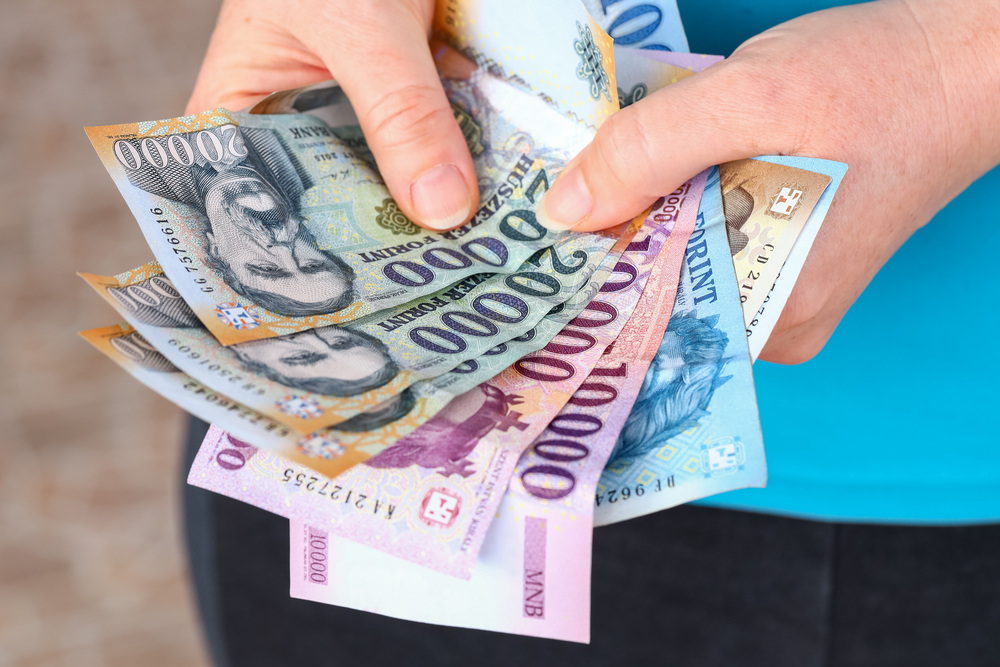
Based on G7, the Hungarian forint depends largely on the international gas prices, which decreased on Thursday. A senior analyst of Concorde, Sándor Jobbágy, told G7 that a ceasefire and the restart of trade between the parties concerned in Ukraine would do good for the forint. However, that will not happen in an instant, even if the documents are signed.
Mr Jobbágy highlighted that the Hungarian government calculated a 397.5 currency exchange rate in their 2025 budget. The weakening of the forint increases Hungary’s state debt since 29.4% is in foreign currency.
Mr Jobbágy and another analyst of Concorde, Bertalan Nagy, also said that the forint would weaken because of the uncertainties of the state budget, the higher-than-expected inflation (5.5% in January) and the struggling Hungarian industrial sector and economy. Mr Jobbágy said that, due to the higher inflation, the Hungarian National Bank is not expected to decrease the base interest rate. Gábor Regős, leading economist of Gránit Asset Management, said he did not expect the national bank to cut the interest rate until November. Therefore, a weakening forint trend is expected.