Subscribe to our social channels to get the latest news about Hungary!


An international research team working under the HistoGenes project has directly linked certain individuals from the European Hunnic era to high-ranking figures from the earlier Asian Hun Empire. At the same time, their findings show that the overall population of the Carpathian Basin during the period included only a small number of people of East Asian descent, with newly arriving groups displaying highly diverse origins.
The Huns crossed the Volga River in the 370s and established one of Europe’s most influential—albeit short-lived—nomadic empires. Researchers have long sought to clarify the connection between the Asian Huns (also known as Xiongnu or Hsiung-nu) and their European counterparts, as the similarity of their names is widely acknowledged. The Asian Hun Empire had disintegrated by around AD 100, leaving a gap of more than 250 years between the two civilisations. Could DNA evidence bridge this vast chronological divide?
To answer this question, researchers analysed the DNA of 370 individuals who lived between the 2nd century BC and the 6th century AD across three major geographic regions: Inner Asia (Mongolian steppes and various parts of Central Asia) and the Carpathian Basin. The study included 35 newly analysed genetic samples from Hungary and eastern Kazakhstan. The researchers considered the entire known population of the Carpathian Basin from the 4th to the 6th centuries, encompassing both steppe-style burials—often solitary—and cemeteries linked to the late Sarmatians (4th–5th centuries) and the Kingdom of the Gepids (5th–6th centuries).
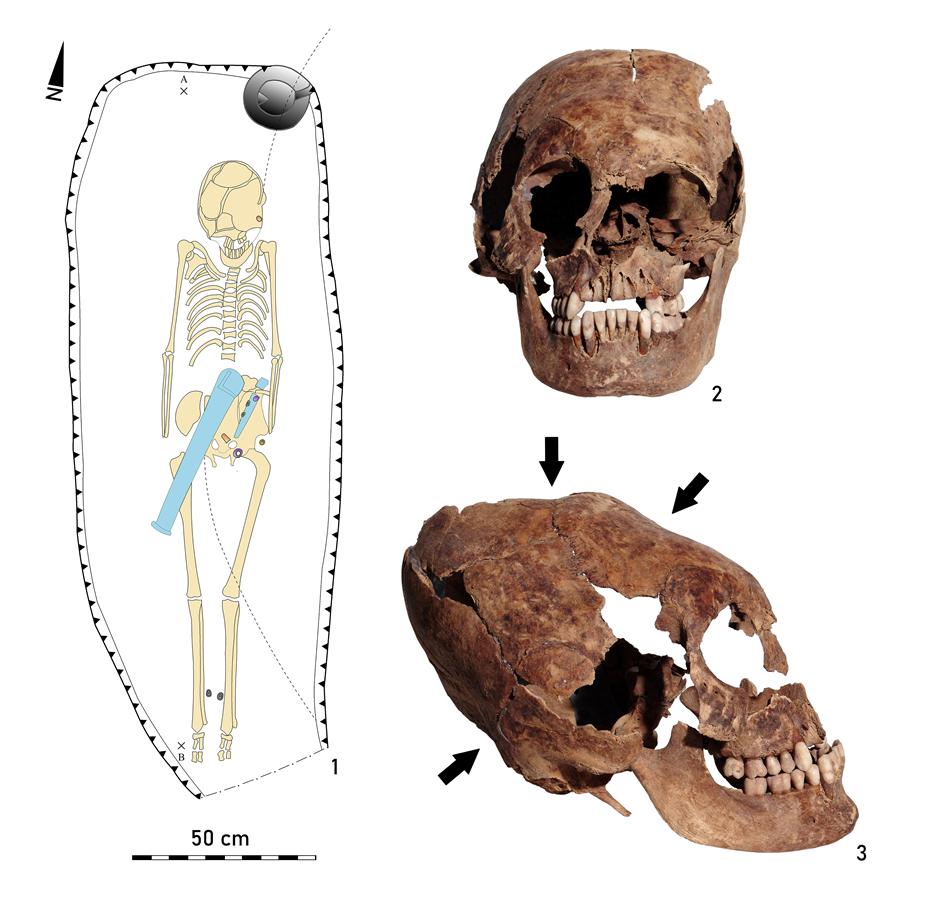
The results indicate that following the arrival of the Huns, the Carpathian Basin did not host a sizable community of Asian or steppe-origin individuals. Only about 7% of the population came from such backgrounds. However, the researchers did identify a small but distinct group—often associated with steppe-style burials—that carried significant East Asian genetic markers.
This remarkable discovery stemmed from a new method of comparing genealogical relationships: analysing shared DNA segments (IBD/identity-by-descent) revealed direct ancestral ties.
Some individuals from Hungary exhibited direct IBD connections to high-ranking figures from the later period of the Asian Hun Empire in Mongolia. One such link was to an individual buried in Mongolia’s largest known “terrace tomb” (Tomb 1 at the Gol Mod 2 site). Among the Hungarian samples, this biological connection was found in a man from Budapest-Zugló, two related women from Tiszagyenda and Tiszabura-Pusztataskony, as well as men from Marosszentgyörgy (Romania) and Kecskemét.
These findings confirm that some European Huns had direct ancestral ties extending back to the Mongolian steppes and elite burials associated with the late Xiongnu period.
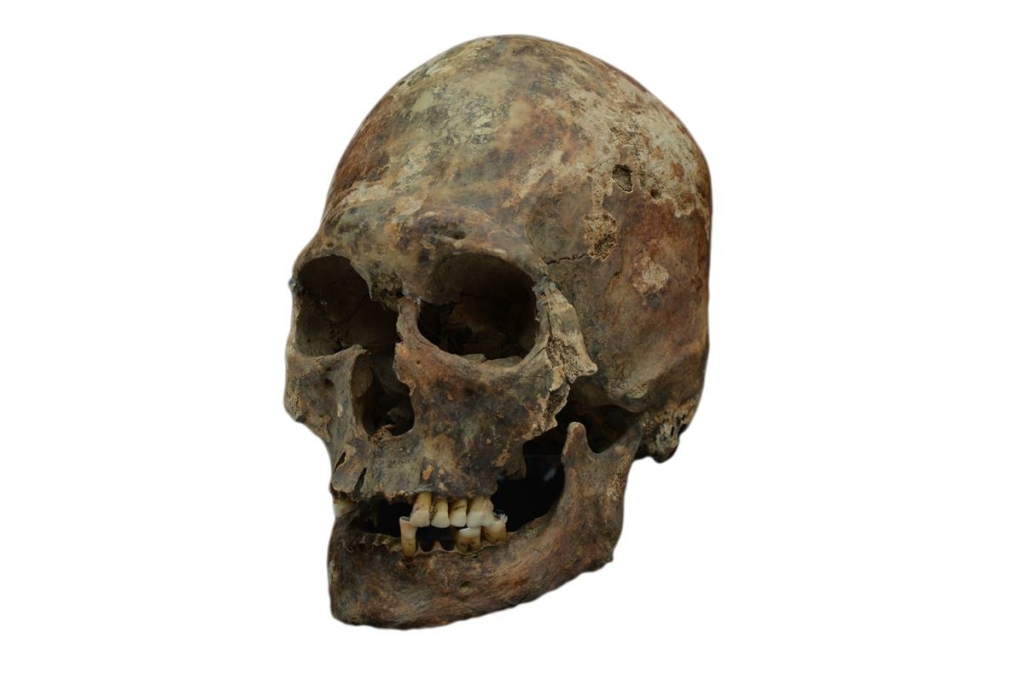
Despite these findings, the Hun Empire’s population was highly diverse. Genetic and archaeological evidence points to a mosaic-like composition of communities, reflecting complex patterns of mobility and interaction rather than mass migration from a single origin. Even steppe-related burials revealed cultural and genetic diversity, with individuals tracing their lineage to East Sarmatian and Caucasian populations.
Traces of East Asian ancestry persisted in later cemeteries, suggesting intermarriage between East Asian and European descendants and the survival of Hun-period population elements within the Kingdom of the Gepids.
The findings also indicate that the arrival of the Huns in Europe differed from that of the Avars two centuries later. The Avars settled in Europe only a few years after their Inner Asian empire was destroyed by the Turks, and their descendants retained significant East Asian genetic markers throughout their rule. In contrast, Attila’s Huns established their European domain multiple generations after their ancestors left Asia, incorporating a broad range of Eurasian groups. Despite their dramatic political impact, their actual genetic footprint remained limited.
From a broader perspective, the study underscores how cutting-edge genetic research, combined with detailed archaeological and historical analysis, can resolve long-standing debates about ancient populations. While many questions remain, this research offers strong evidence of direct ties between the Hun-period population in Europe, the Eurasian steppes, and the Asian Hun Empire—helping to unravel the complex web that connected East and West Eurasia in the past.
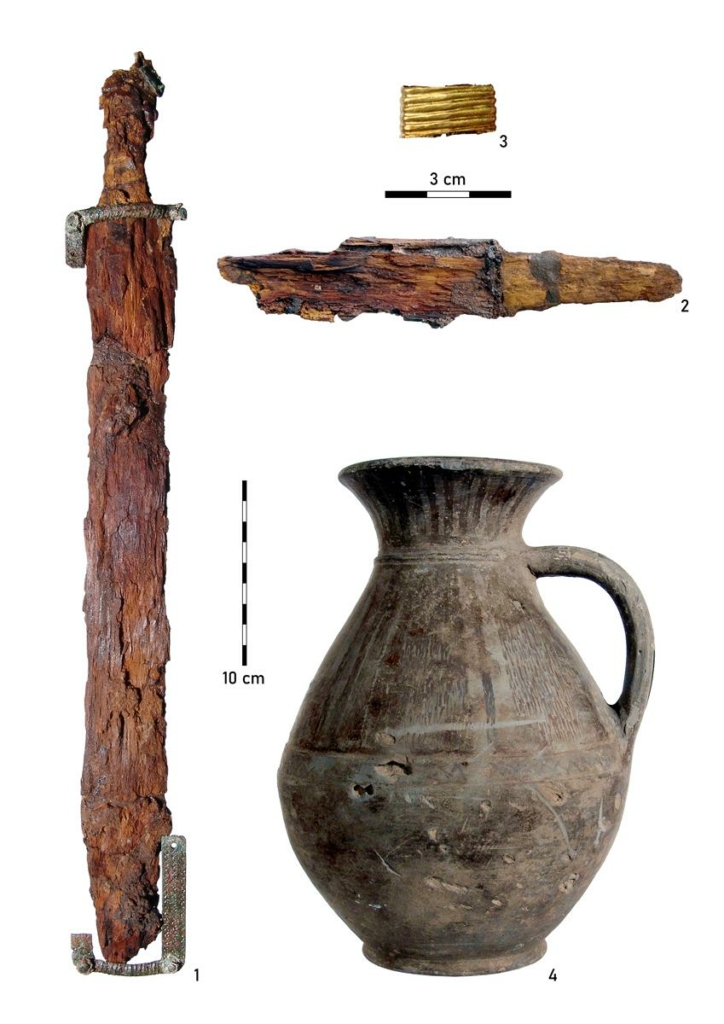
The European Research Council (ERC) funded the research as part of the European Union’s Horizon 2020 research and innovation programme. The HistoGenes project, which takes an interdisciplinary approach, examines the population of the Carpathian Basin from AD 400 to 900.
The study, published in the American journal Proceedings of the National Academy of Sciences (PNAS), lists Guido Alberto Gnecchi-Ruscone (MPI EVA) and Zsófia Rácz (ELTE BTK) as its lead authors, with Tivadar Vida (ELTE) as its senior researcher. Contributors from the ELTE TTK Department of Anthropology include Tamás Szeniczey and Tamás Hajdu.
As we wrote a few days earlier, ancient discovery in Hungary confirms centuries-old legend, read details HERE.
Read also: Scientists bring centuries-old Hungarian faces back to life
To read or share this article in Hungarian, click here: Helló Magyar


