Wild boars, mummified hands and treason: The conspiracy theories that still haunt Hungarian history

Change language:
Wild boars, mummified hands, and covert betrayals—Hungarian history is filled with twists that raise eyebrows. In this article, we explore three conspiracy theories that have puzzled historians and curious minds for centuries: the mysterious hunting accident of Miklós Zrínyi, questions surrounding the Holy Right Hand, and the enigmatic decisions leading up to the Treaty of Trianon.
Was Miklós Zrínyi poisoned?
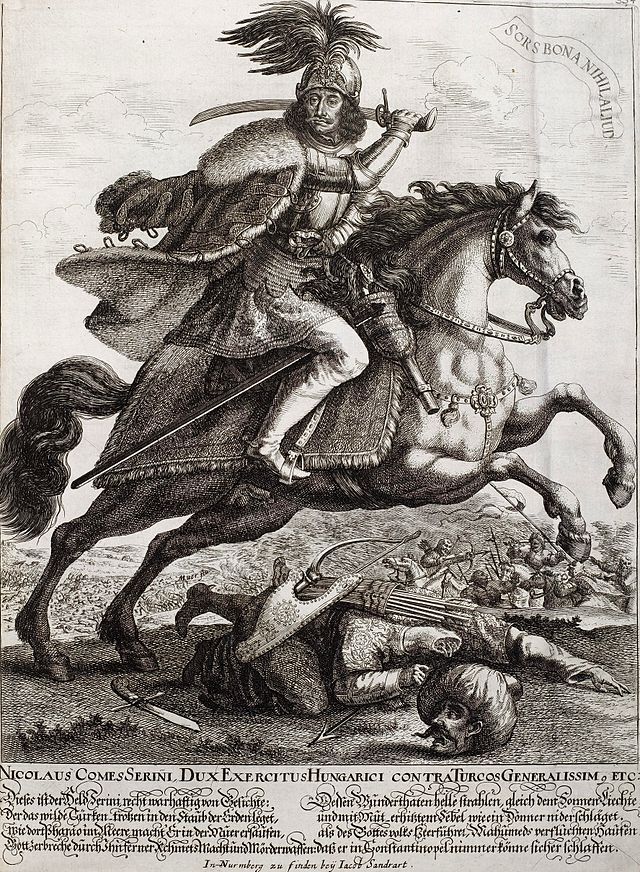
One of Hungary’s most intriguing historical conspiracy theories involves the death of Miklós Zrínyi in 1664. Officially declared a tragic hunting accident involving a wild boar, many contemporary observers—and later generations—have doubted this explanation. Zrínyi, a noble warrior, poet, and military strategist, was on his way to Vienna to negotiate matters concerning Hungary when he suffered a fatal injury during a hunt.
As noted by Múlt-kor, given the fraught political atmosphere of the time, suspicion quickly fell upon the Habsburg court. Zrínyi had publicly criticised the Emperor’s Turkish policies and even maintained diplomatic ties with the French King Louis XIV. His sudden death conveniently removed a highly influential—and inconvenient—figure from the Habsburgs’ path. Further fuelling the conspiracy is a historical parallel: Prince Imre, son of King Stephen, also died under suspicious circumstances during a hunting trip. These eerie coincidences raise an enduring question—was Zrínyi’s death a tragic mishap, or a well-executed assassination?
The mystery of the Holy Right
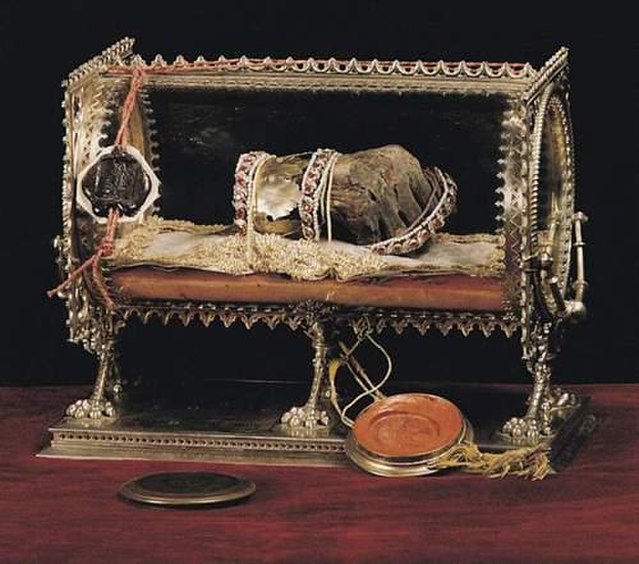
Few objects in Hungarian history are as shrouded in myth as the Holy Right—the relic believed to be the preserved right hand of Saint Stephen, Hungary’s first king. But is it really his hand? Some theorise the relic isn’t actually his, and that the “Right Hand” label is merely symbolic, representing authority and virtues of leadership.
According to Magyar Kurír, the hand was discovered intact during Stephen’s canonisation in 1083, although the first reliable account comes much later from Bishop Hartvik. The relic remained in Ragusa for centuries until Empress Maria Theresa reclaimed it in 1771. Its exact identity remains uncertain even today—it may, in fact, be a left hand or merely a severed finger.