Subscribe to our social channels to get the latest news about Hungary!


The mummies of Vác remain relatively unknown, despite numbering in the hundreds. When people hear the word “mummy,” they usually think of Egyptian pharaohs—a natural association, as the term was originally used for the artificially mummified remains found in ancient Egypt.
The preserved mummies serve as powerful evidence that even thousands of years ago, people tried to protect their dead from decay. Much like today, they struggled to accept the loss of loved ones, and preserving the body likely symbolised hope that the departed soul might return, breathing life back into the deceased.
Some mummies are created naturally, without human intervention. Through dehydration, bodies become lighter, their skin and tissues drying out into a parchment-like state. The non-decomposed, preserved, or partially preserved remains of dead humans or animals are classified as mummies.
Certain environmental factors can halt decomposition and contribute to natural mummification. These include hot, dry climates or, conversely, extremely low temperatures, ice, constant wind, or isolation from air. Lack of oxygen, high salt content, good ventilation, and even localised concentrations of chemicals like copper, silver, sulfur, or arsenic also aid preservation.
No other site from the 18th century has yielded as many mummies in one place, bound by both community and chronology, as the town of Vác. Historical sources—coffin inscriptions, birth, marriage, and death records, wills, and other archival materials—allow researchers to identify most of the deceased, a rarity in the study of mummies.
Through these findings, researchers have been able to trace family relationships and piece together daily life in an 18th-century Hungarian town: how its residents lived, what ailments they suffered from, and their general living conditions.
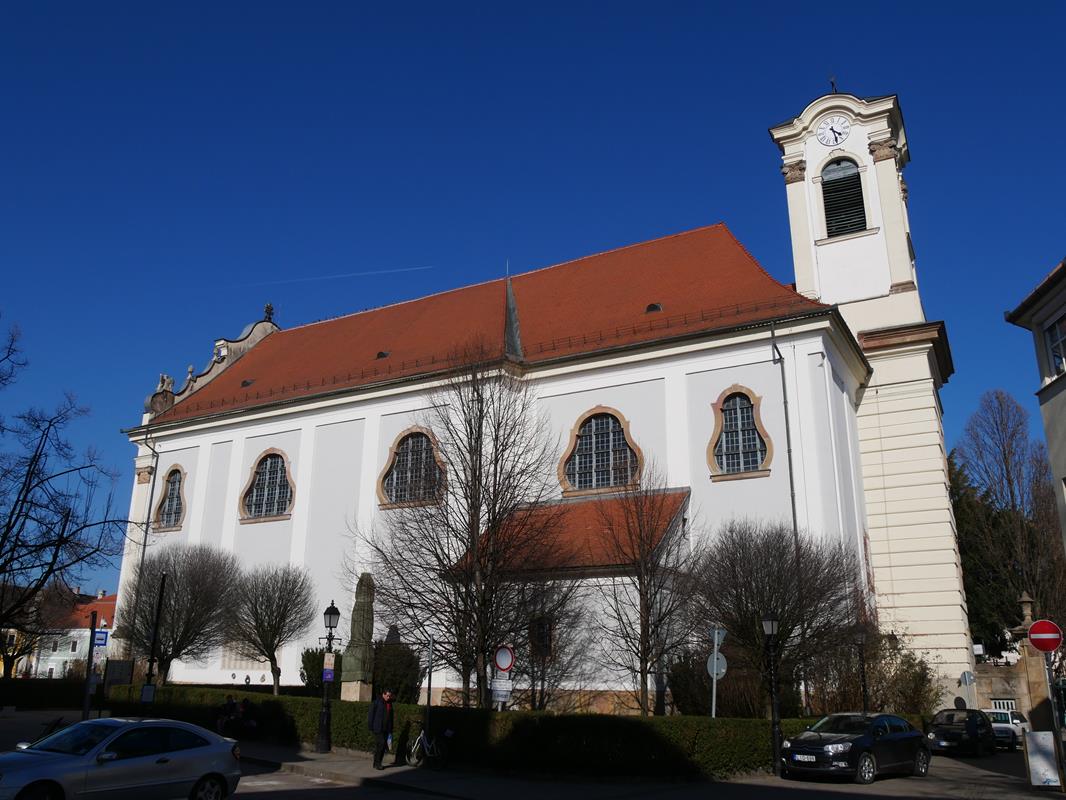
Following the expulsion of Turkish forces, Dominican monks settled in Vác in the 17th century. Construction of their monastery and church began in 1699 in the town’s main square. Locals, identifying the monks by their white robes, referred to them as “white friars,” and the church as the “Church of the Whites.”
The church crypt was built between 1729 and 1731 and served as a burial site for both clergy and townspeople. Loved ones did not visit the deceased; the crypt was only opened for new interments. The earliest burial dates back to 1731, and the last likely occurred sometime after 1841. Another converted cellar, the Loretum beneath the chapel, also served as a family burial chamber, and it too was eventually sealed off and forgotten over time.
Archaeological excavation revealed 265 mummified bodies dressed in funeral garments. Roughly 1,500 burial artefacts were recovered, offering a snapshot of a century of funerary traditions. The numerous religious items—holy cards, medallions, scapulars, reliquaries—reflect the deep piety of citizens at the time.
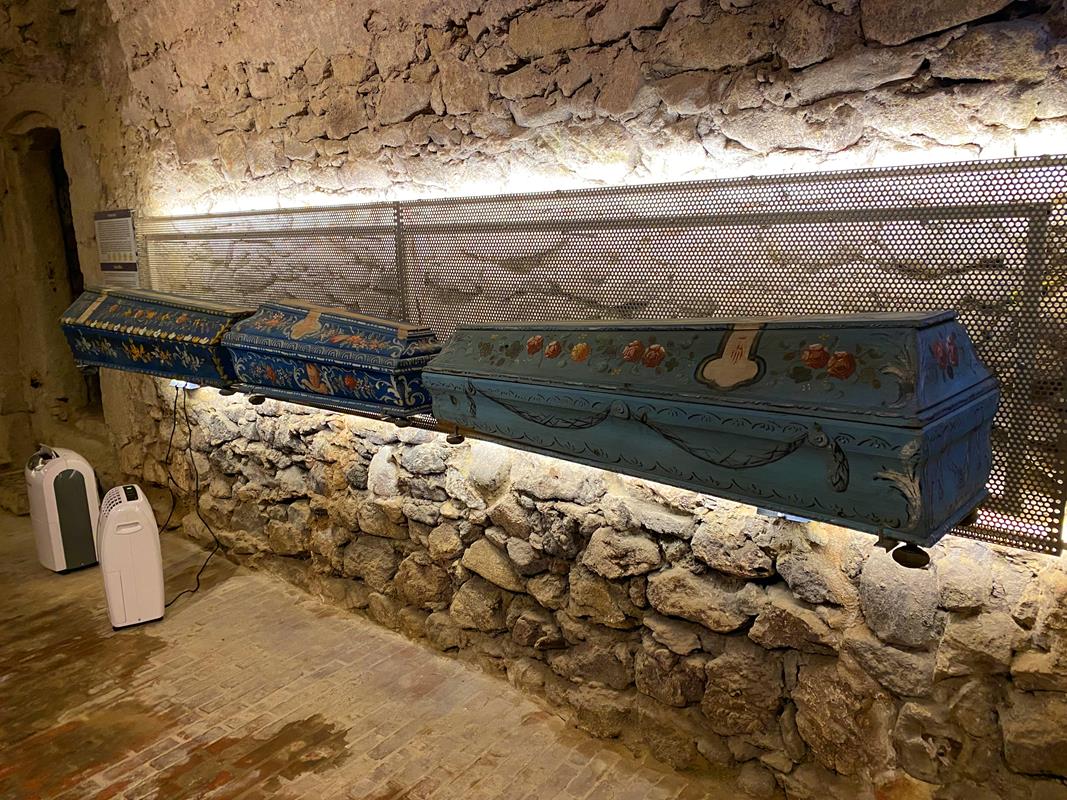
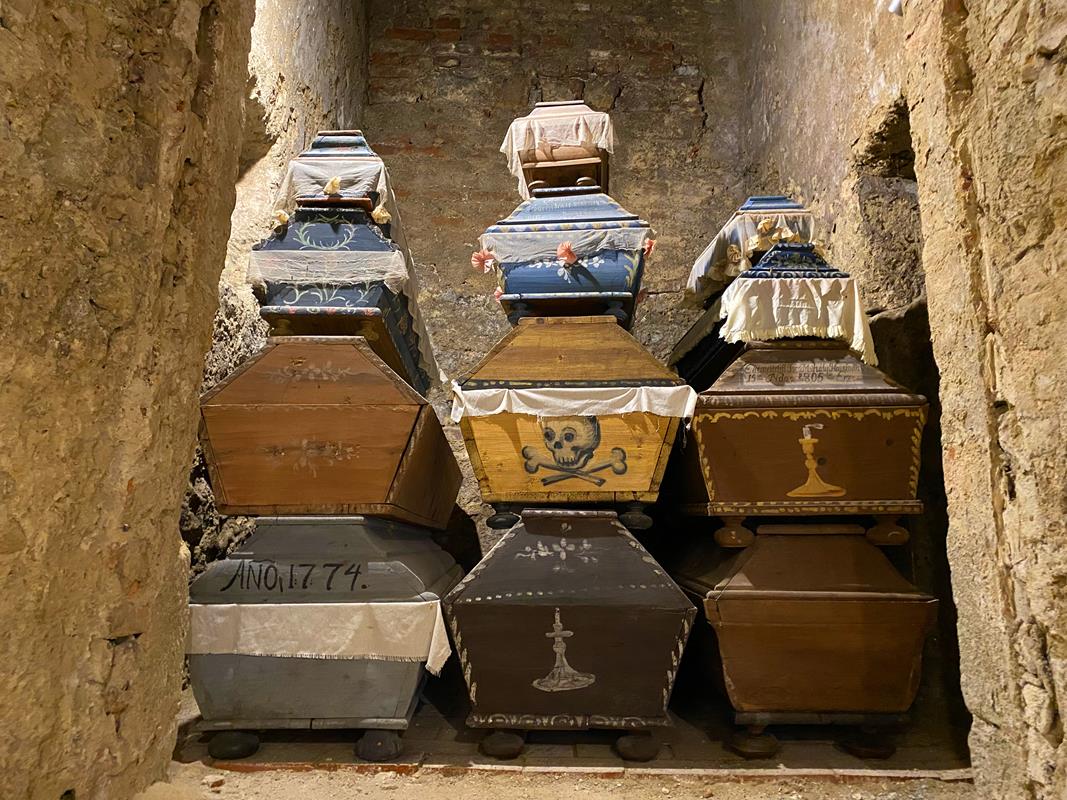
A crucial factor in the mummification process was the faint yet constant air flow through two narrow ventilation shafts connecting the crypt to the outside. Excavation records show that mummification was most successful in coffins positioned where airflow was strongest. Thanks to the unique microclimate, 262 decorated and colored coffins were also preserved in excellent condition.
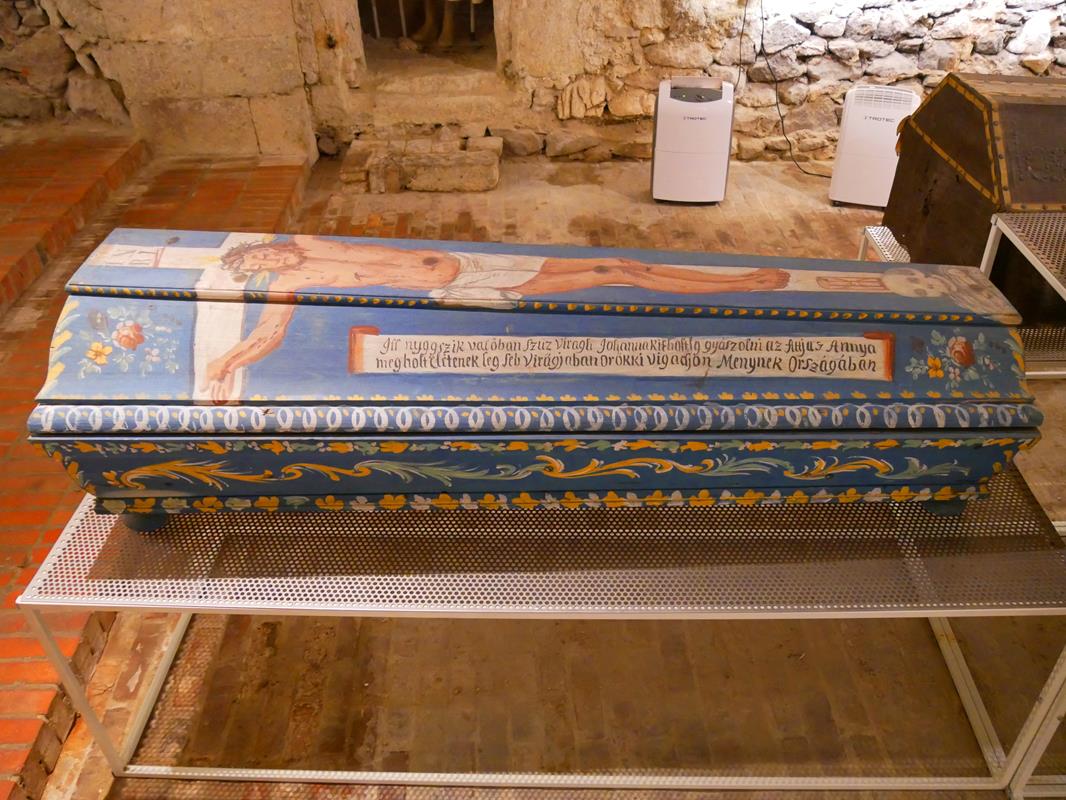
At the time, relatives did not revisit those interred in the crypt. It was only opened for burials, so townspeople were likely unaware that mummification had occurred.
With approval from the Diocese of Vác, the unparalleled anthropological collection was transferred—rather than reburied—to the Anthropology Department of the Hungarian Natural History Museum. Scientific analysis of the Vác mummies reveals an incredible window into the past.
The research provides a glimpse into the biological characteristics of 18th-century people: their diets, occupations, illnesses, and social positions. It also gives insights into their hygiene practices, family ties, and even personal habits—whether they dyed their hair, brushed their teeth, bit their nails, or had lice.
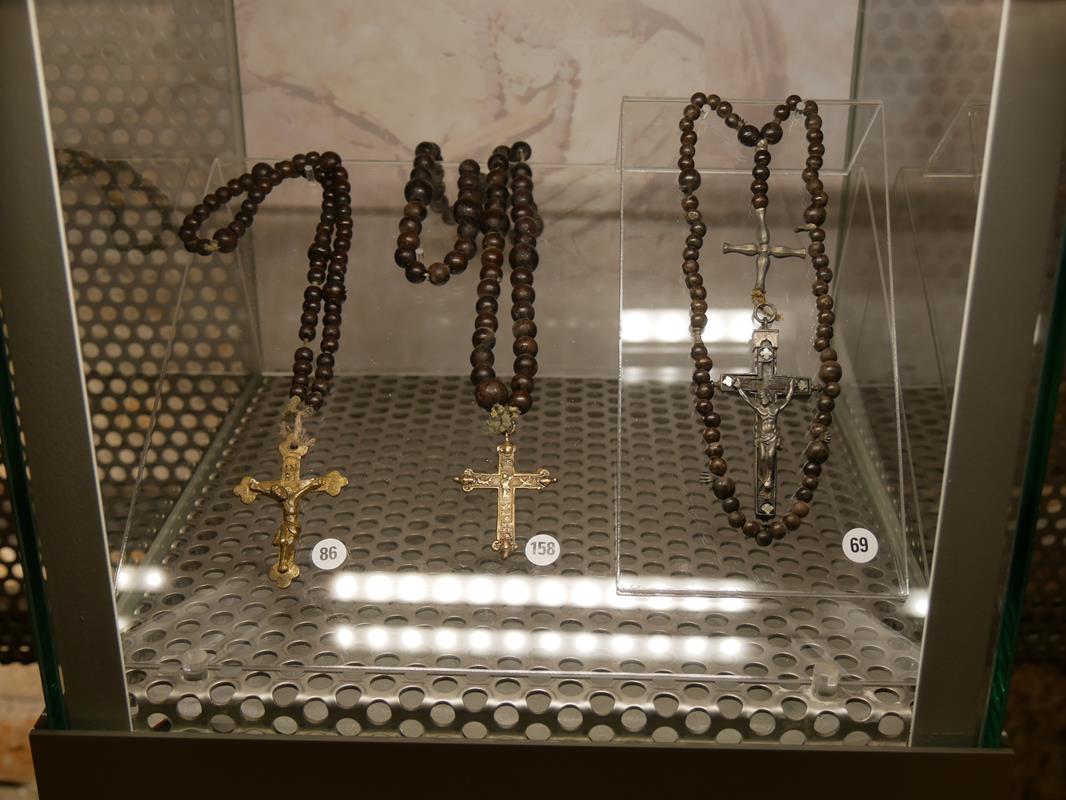
Disease research is one of the most vital branches of mummy studies. Paleopathological analysis allows scientists to track the history of diseases and the microevolution of pathogens—information that can help anticipate new illnesses and their mutations.
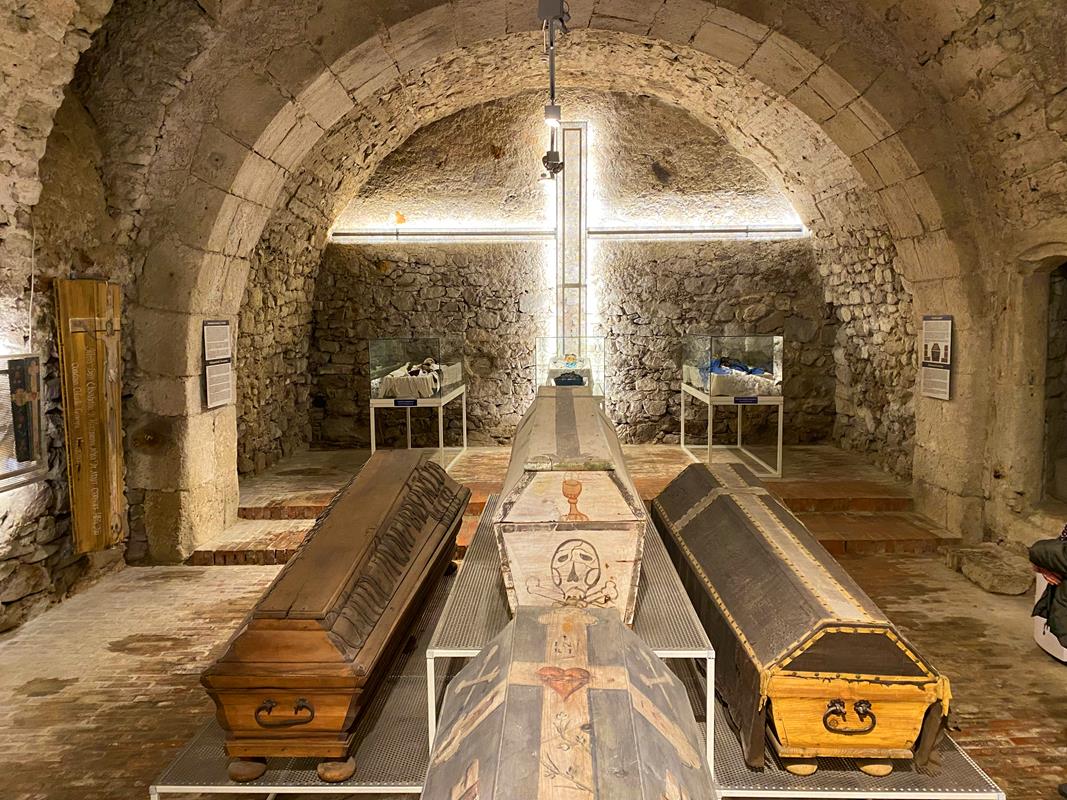
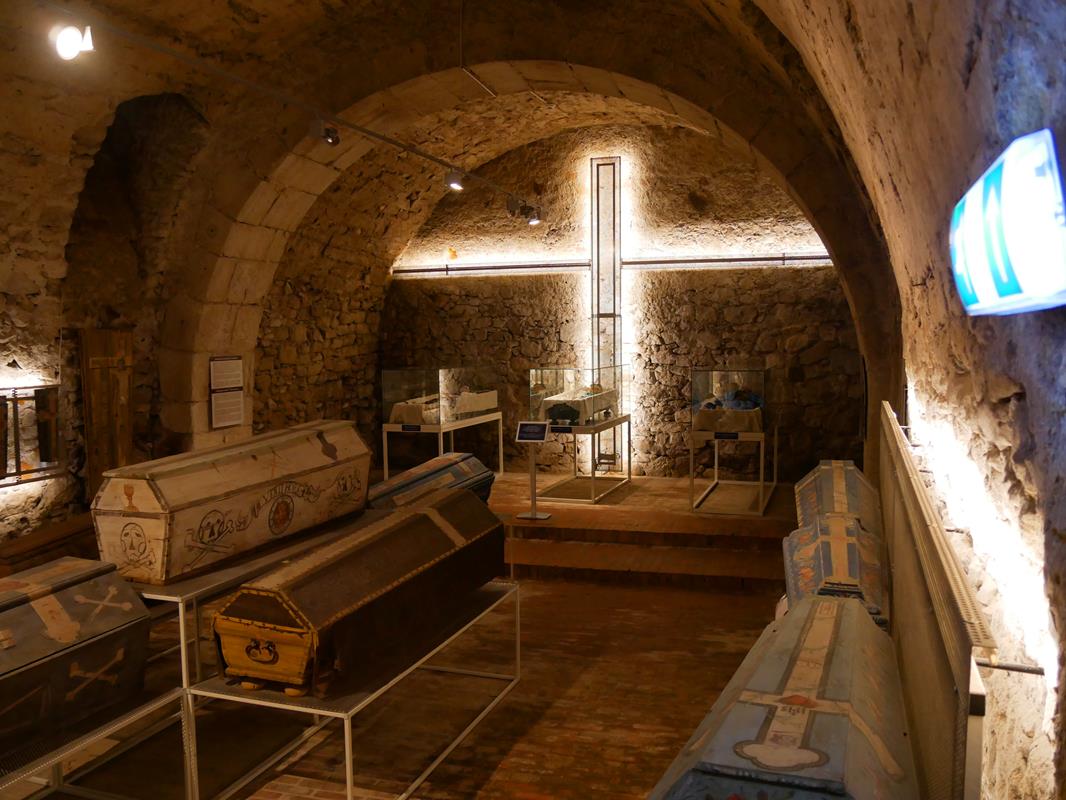
The Tragor Ignác Museum in Vác showcases its “Memento Mori” exhibit inside the medieval cellar of a residential building in the town’s main square. Visitors descend a steep staircase into the cool, deep cellar where they are greeted by an image of the historical crypt and the names of identified townspeople based on coffin inscriptions.
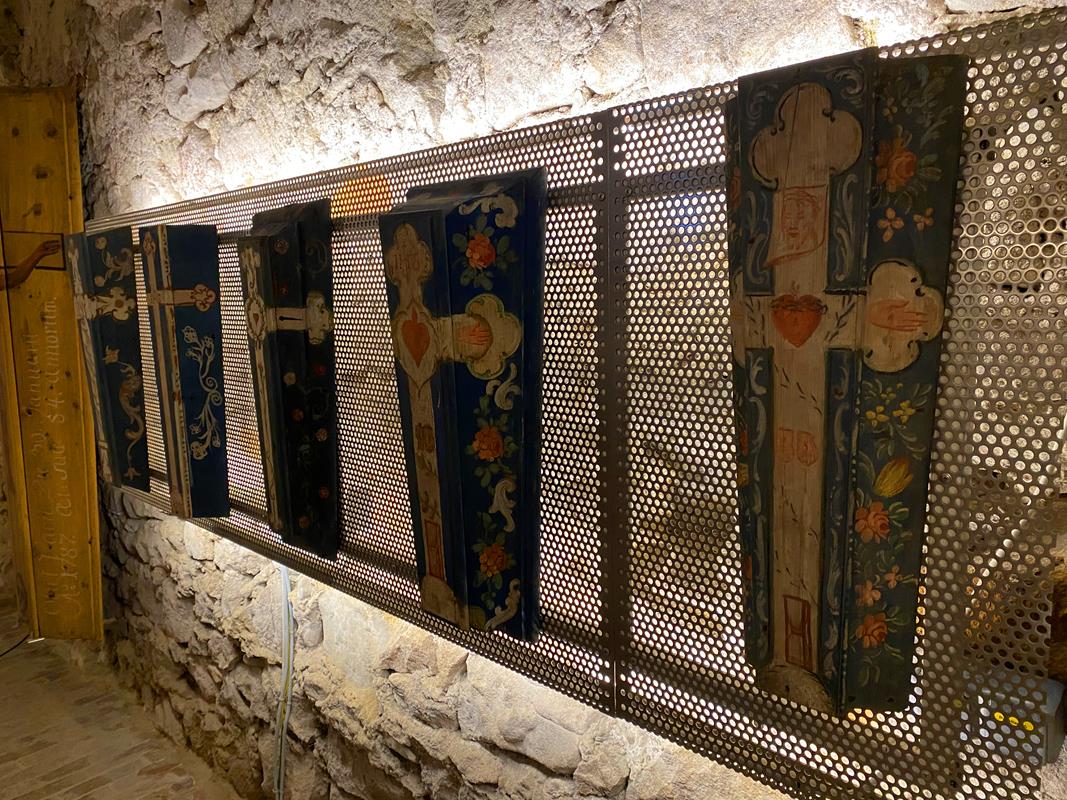
A small room to the left exhibits sacred objects found in the coffins—crucifixes, rosaries, and religious medallions. In the centrepiece hall, painted and colorfully decorated coffins of adults and children are displayed.
At the far end of the hall lie the reconstructed remains of tailor György Stefanovics, an unidentified middle-aged woman, and 9-year-old Magdolna Salamon. Each rests in a glass coffin, dressed in historically accurate reproductions of their original burial garments.
The scenic Danube Bend region was also previously explored HERE.
To read or share this article in Hungarian, click here: Helló Magyar
Read also:


