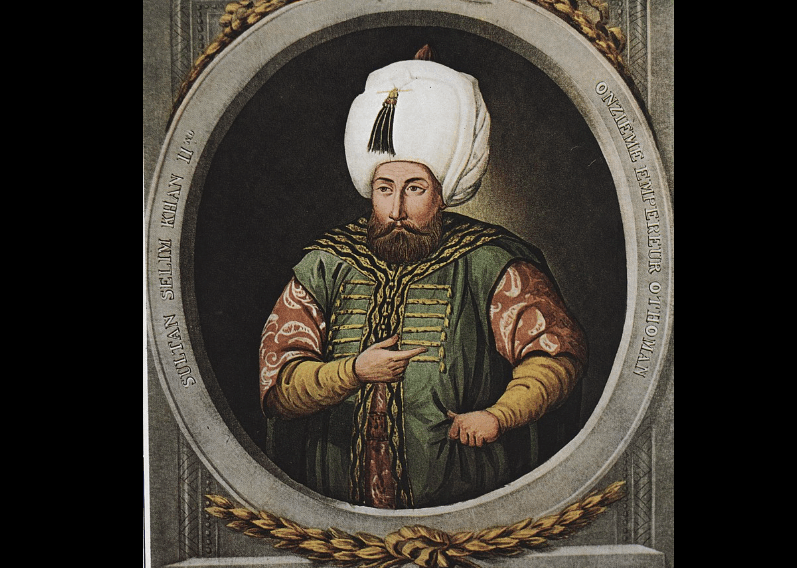
The great trick: This is how the greatest Ottoman sultan, Suleiman’s heir took the throne on Hungarian soil

Change language:
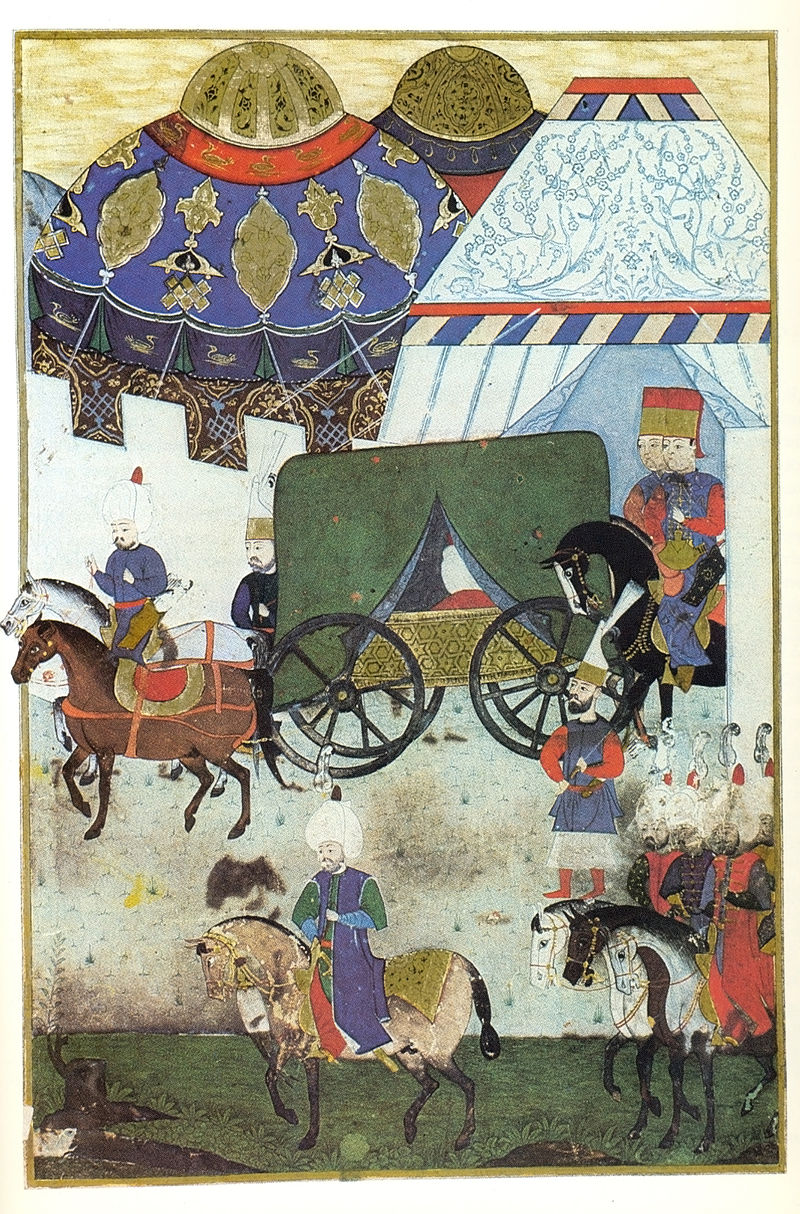
On the afternoon of 7 September 1566, an Ottoman courier rode at full speed from the sultan’s camp below Szigetvár, carrying a secret message to Prince Selim in Istanbul. By that point, the fighting had quieted down, and it was clear that the Ottoman campaign of 1566 had achieved complete success: both of its targets, Gyula and Szigetvár, had fallen, and the banners bearing horse-tails now flew over them. But what mattered most was who would ascend the imperial throne—and the courier’s speed would prove decisive.
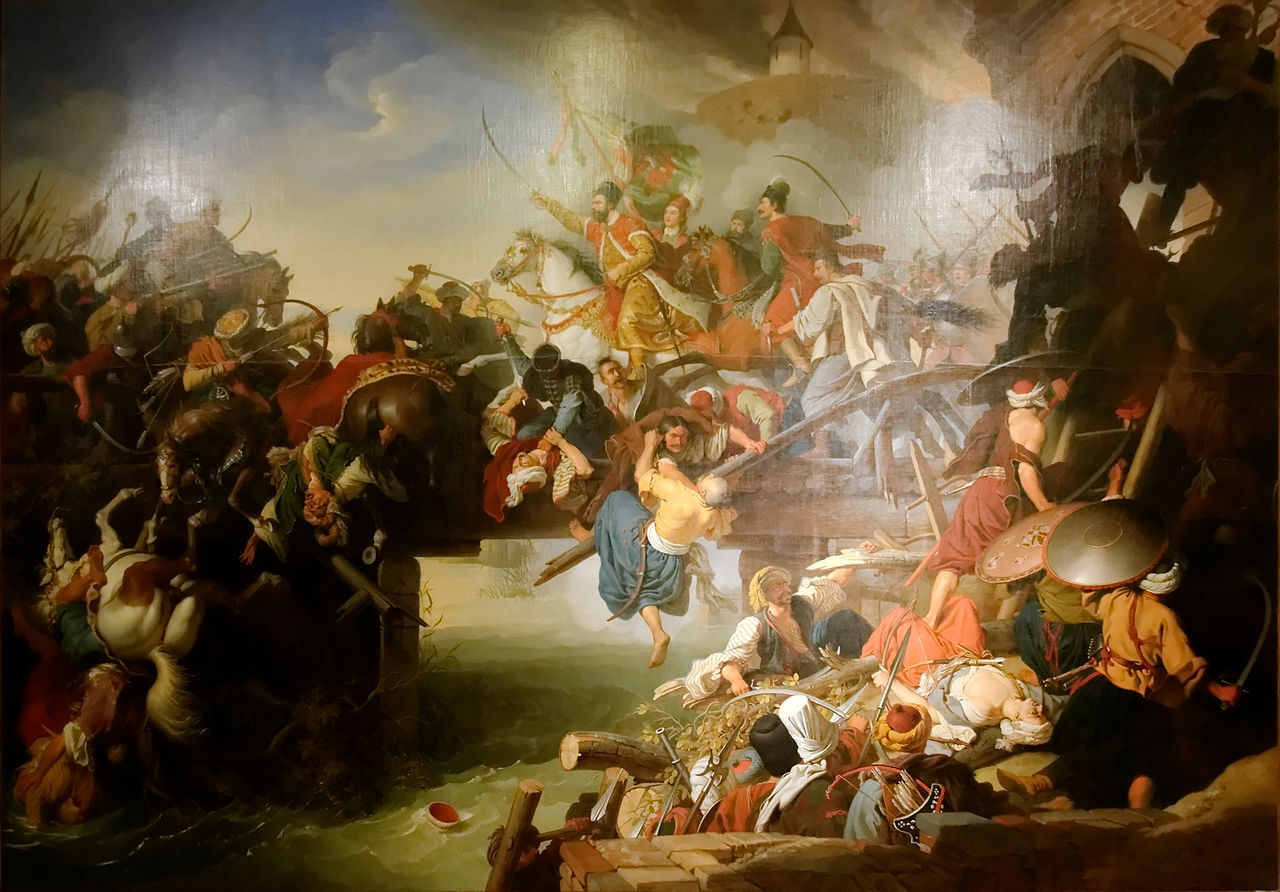
Because at that moment, not only did Miklós Zrínyi—the legendary Croatian-Hungarian defender of Szigetvár, lionised in the Balkans for sacrificing his life for his homeland and family—lie dead, but so did his adversary, Sultan Suleiman, who had reached the age of 73. While Zrínyi’s death had been public and dramatic—he dressed in ornate attire and charged into battle to make sure his heroic end would come swiftly and unmistakably—Suleiman’s death was kept under wraps. In fact, the sultan had already been dead for a full day by the time Zrínyi launched his final assault.
The Grand Vizier’s trick
The powerful and Serbian-born Grand Vizier Sokollu Mehmed had long planned that if Suleiman were to die, he would ensure that the sultan’s son—Selim, widely regarded as weak and oftentimes drunken—would succeed him. At that point, Selim had no adult brothers left; they had either been executed or had died of natural causes. Yet rivals always lurked in the ever-shifting power dynamics of the Ottoman court. That’s why the grand vizier had persuaded the elderly sultan to embark on the Hungarian campaign in the first place—if anything were to happen, the vizier would be the one in control of events. And that’s exactly how it played out.
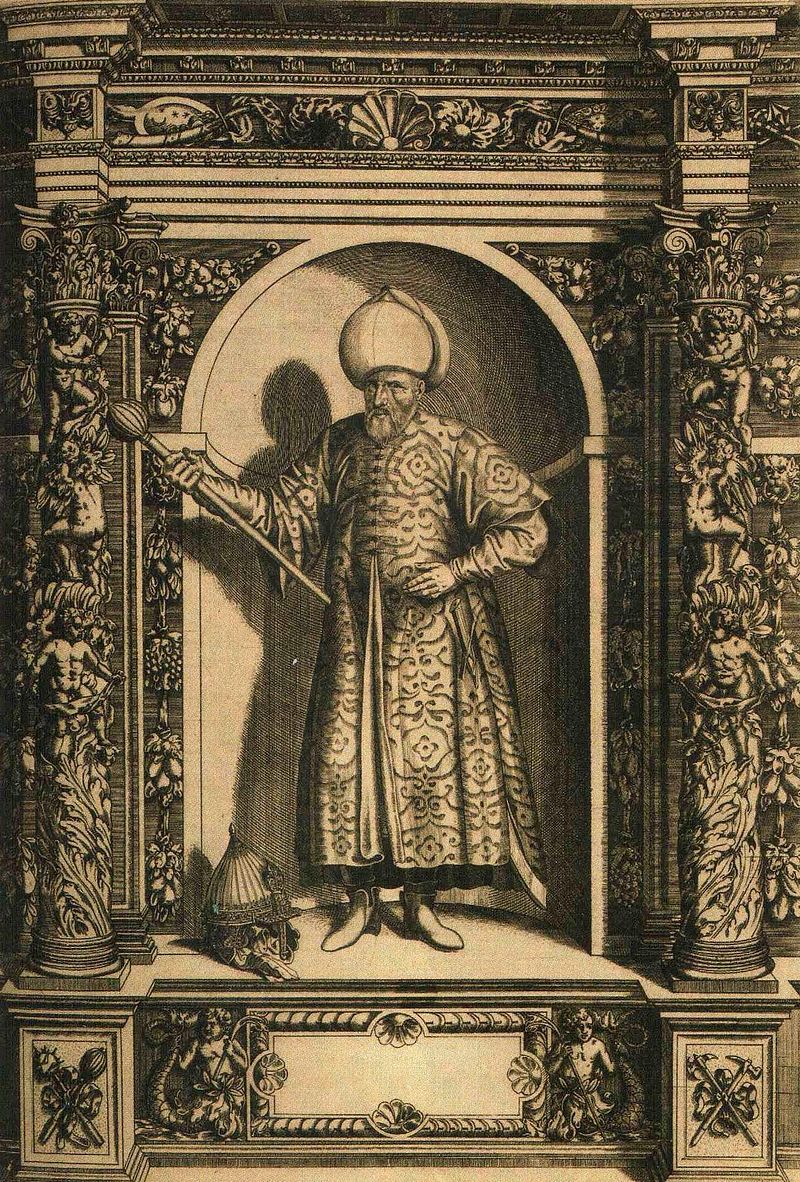
This made it critical for the messenger to reach Selim as quickly as possible, so the prince could rush toward the imperial camp. The Ottoman army captured Szigetvár fortress at tremendous cost—estimates suggest 20,000 to 25,000 soldiers lost their lives (in contrast, the defenders numbered no more than 2,500). Yet the campaign was a strategic triumph: taking both Gyula and Szigetvár solidified Ottoman dominance over Buda and secured supply lines for the provincial capital.