Subscribe to our social channels to get the latest news about Hungary!


The situation in the Duna–Tisza Interfluve is becoming increasingly dire: the Homokhátság region is now in semi-desert condition, and due to the severe drought, more and more farmers are considering giving up agriculture. According to reports from Reuters, InfoStart, and Pénzcentrum, climate change in recent years has had dramatic effects on crops and groundwater in one of Hungary’s most important agricultural regions.
Corn, grain and sunflower are traditionally grown in the Homokhátság, but increasingly frequent heat waves and persistent drought brought on by climate change have drastically reduced yields. Groundwater levels continue to drop, making it harder for farmers to sustain income-producing crops.
Balázs Fehér, a meteorologist at HungaroMet, told InfoRádió that while there was some rainfall over the past two weeks, the majority of the country saw much less precipitation than average. Some areas received 10–25 millimetres, with isolated spots getting 30–60 millimetres of rain, but much of central and eastern Hungary saw only 1–4 millimetres. “Conditions have somewhat improved in Transdanubia and the Northern Great Plain, but that was merely a temporary relief. The drought in the Homokhátság and Southern Great Plain remains severe. That rain didn’t reach those areas,” the expert explained.
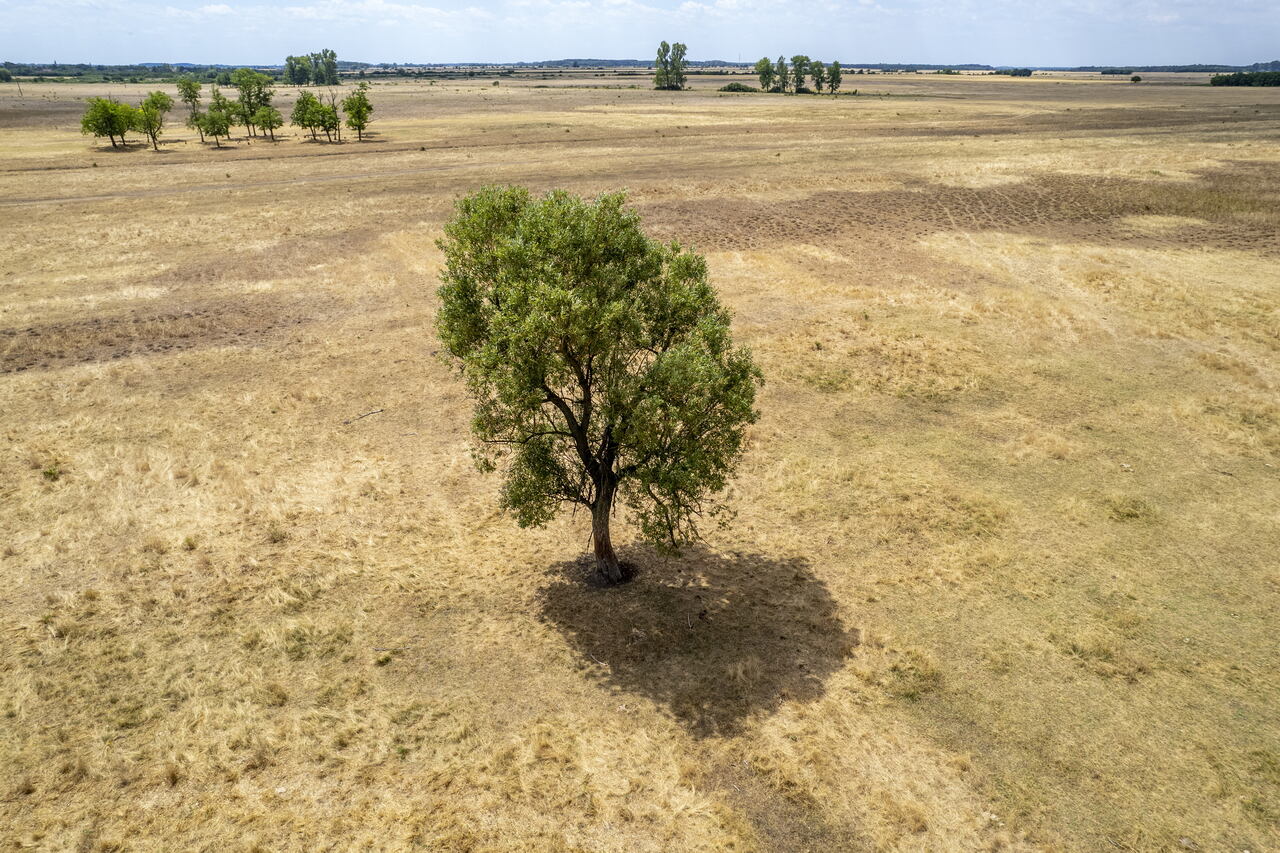
In the top one meter of soil, 150–170 millimetres of precipitation is missing—that’s the equivalent of an entire season. According to the meteorologist, the incoming cold front brought limited rain to only a few locations, and the coming days are expected to be mostly clear, with no significant rainfall in sight. Another cold front is forecast for Sunday, but precipitation will likely remain scattered and unpredictable.
HungaroMet’s agrometeorological analysis warns that in the next 8–10 days, evaporation will rapidly deplete soil moisture. As a result, both the extent and intensity of the agricultural drought are expected to increase. Sunny, dry weather with temperatures above 86°F (30°C), combined with frequent atmospheric drought, threatens not only field crops but maturing fruits and vegetables as well, increasing the risk of sunscald.
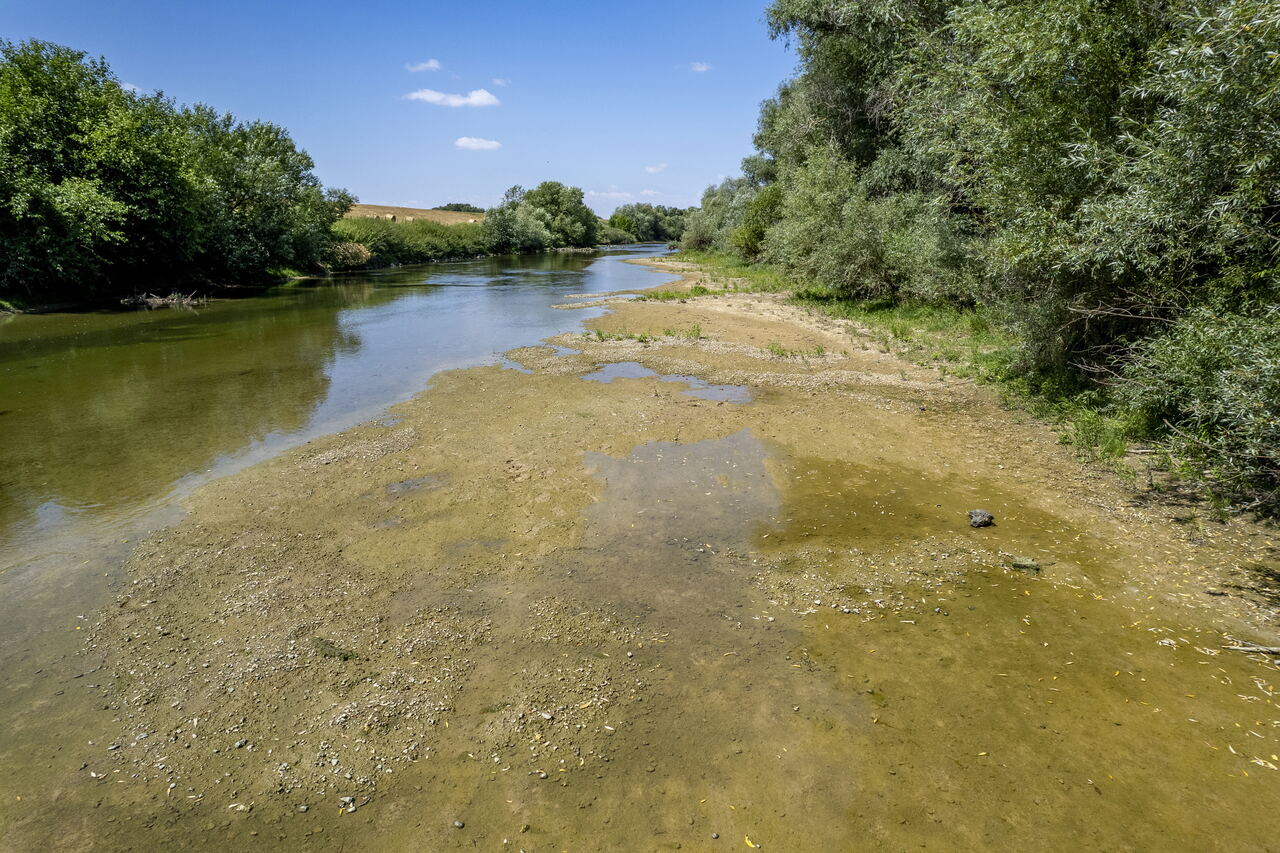
The situation is already presenting major challenges for farmers. With yields sharply down, many are questioning whether continued farming is feasible. Agriculture in the Great Hungarian Plain is becoming one of the sectors most endangered by climate change and prolonged drought. Experts warn that without urgent intervention, conditions may deteriorate further in the coming weeks, rendering large areas of the Homokhátság virtually barren.
Read more climate change-related stories on Daily News Hungary.
Read also:
To read or share this article in Hungarian, click here: Helló Magyar


