Subscribe to our social channels to get the latest news about Hungary!


The deadly disease officially known as Crimean–Congo haemorrhagic fever has been present in Hungary for several years. It is spread by the aggressively hunting Hyalomma tick, originally native to Africa, which now thrives in Hungary due to climate change. It is therefore essential to check yourself thoroughly after spending time outdoors.
According to a report by atv.hu, several specimens of this African-origin tick species have already been discovered in Hungary, particularly in the Kecskemét region, which is hotter and drier than much of the increasingly desertifying Great Hungarian Plain. Alarmingly, one was even found in central Budapest, on Margaret Island.
Experts note that this is yet another consequence of climate change, as these ticks favour milder autumns—conditions that have become more frequent in Hungary. This development may fundamentally alter long-established safety practices for hikers.
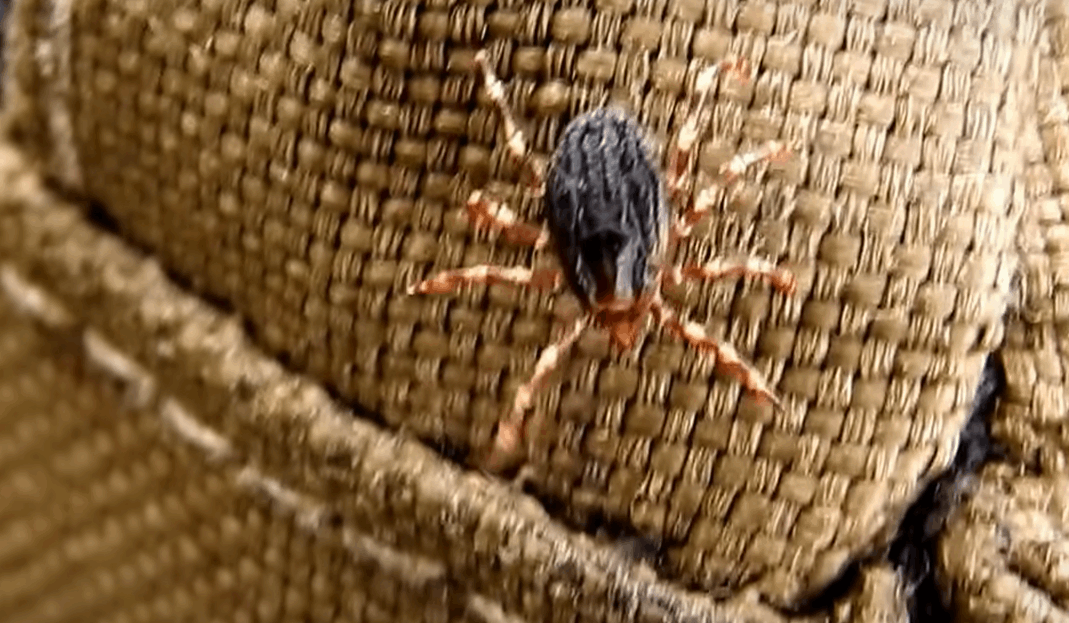
The Hyalomma ticks differ significantly from native species. They are larger and, instead of passively waiting for a host, they actively pursue their prey from several metres away. Whether it is a dog, a cat, or a human makes no difference—they will attach themselves regardless. More concerning still, they are capable of carrying the virus responsible for Crimean–Congo haemorrhagic fever. There is currently neither a cure nor a vaccine for the disease, which can prove fatal.
The virus is already established in Mediterranean regions, with cases reported in Spain, Turkey, and North Macedonia. In certain instances, transmission has occurred without a tick bite, spreading directly from one person to another.
Hungarian specialists are now adhering to the DAMA protocol: Documentation, Assessment, Monitoring, and Action. Public involvement is also being encouraged—citizens can submit photographs of suspicious ticks via the PragmaTick app for scientific examination.
How to identify this tick:
Watch a video on Hyalomma ticks here:
Read more:
Click for more articles on health.
To read or share this article in Hungarian, click here: Helló Magyar


