Subscribe to our social channels to get the latest news about Hungary!


King Stephen I (1000-1038) of Hungary remains a towering figure in national memory for good reason: his state-building efforts laid the foundations for a strong Christian kingdom in the Carpathian Basin. But did Hungary’s first king experience any failures during his nearly 40-year reign?
King Stephen is widely praised in superlatives, and it’s not without merit. He established institutions that lasted for over a thousand years, including the system of bishoprics and counties, like Veszprém County, which still exists today. Throughout his 38-year reign, he never lost a single battle and successfully unified the kingdom by crushing every rebellion, including those led by members of his own family.
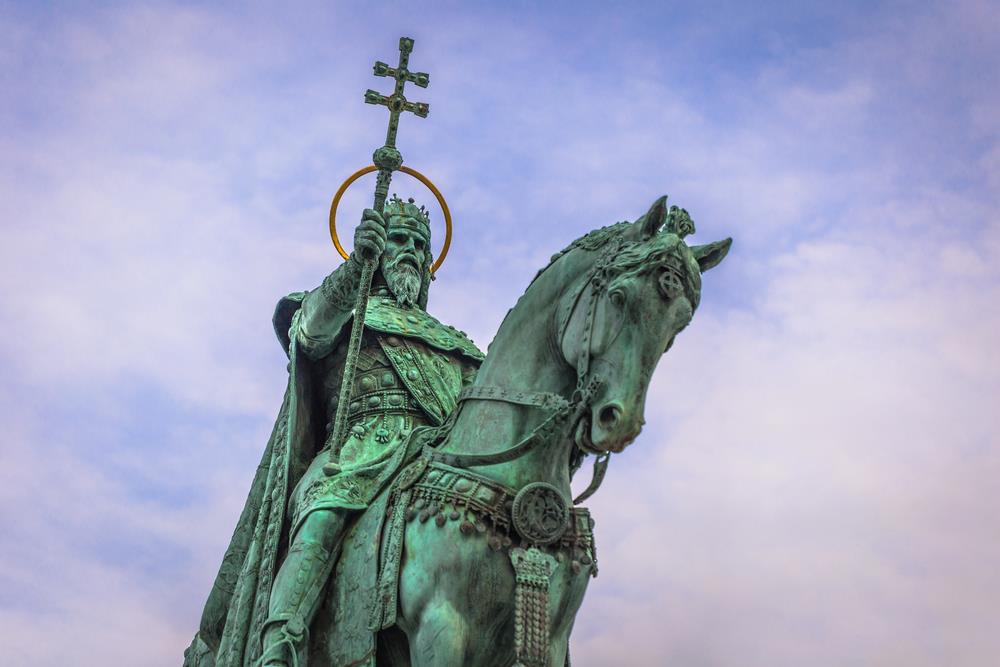
The consensus among modern historians is that Stephen’s success was made possible, in part, by the groundwork laid by his father, Prince Géza. One of Géza’s shrewd political moves was arranging a marriage between Stephen and a Bavarian princess from a ducal family, one of whose members later became Holy Roman Emperor. While Géza couldn’t predict the future, the alliance granted Stephen and the fledgling Christian Hungarian state valuable time to solidify their power.
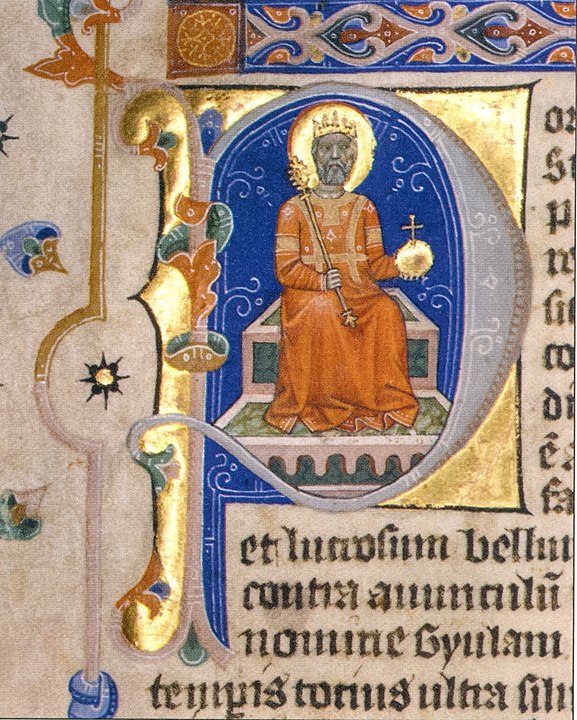
Like many medieval rulers, Stephen made some miscalculations. One controversial decision was neutralizing his rival Vazul. Although many criticised Stephen for rendering Vazul unfit to rule, he could have gone further: executing Vazul and his sons (future kings Andrew and Béla, and their elder brother Levente) was not unheard of at the time. Instead, the trio was exiled to Bohemia, then moved on to Poland and Kievan Rus.
Stephen’s sole point of failure is closely linked to this episode. Though he had multiple sons, only Prince Emeric lived to adulthood. When Emeric died during a hunting trip in 1031, Stephen had Vazul blinded and exiled his sons. He then named Peter Orseolo (his sister Ilona’s son and the child of exiled Venetian Doge Otto Orseolo) as his heir. Peter, who had grown up at the royal court, was later adopted formally by the king.
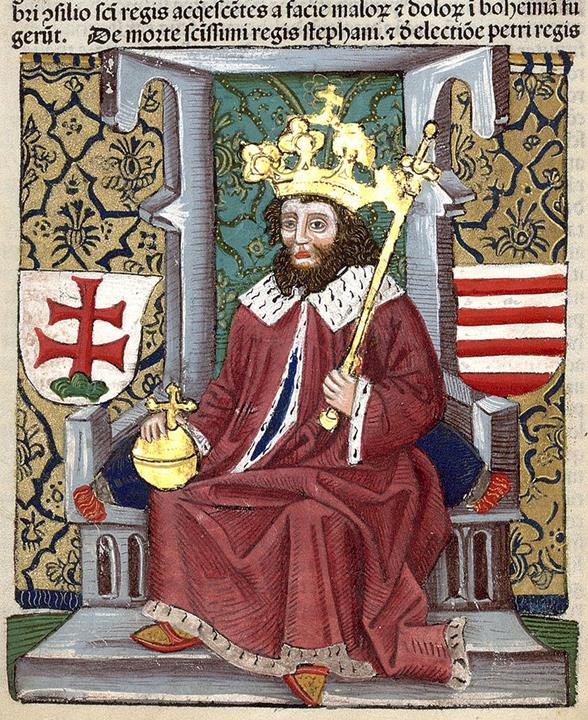
What Stephen couldn’t have foreseen was that Peter would prove entirely unsuited to rule Hungary. He quickly alienated key groups, including the clergy and Queen Dowager Gisela. Discontent grew, eventually coalescing into a rebellion led by Stephen’s brother-in-law, Sámuel Aba.
Sámuel’s rule was also short-lived; his policies proved unpopular, resulting in Peter’s return and Sámuel’s death during or following the Battle of Ménfő. However, Peter’s second reign was fleeting and came only with the backing of the German Empire—raising fears that Hungary might lose its hard-won independence like the Czechs or Poles before them.
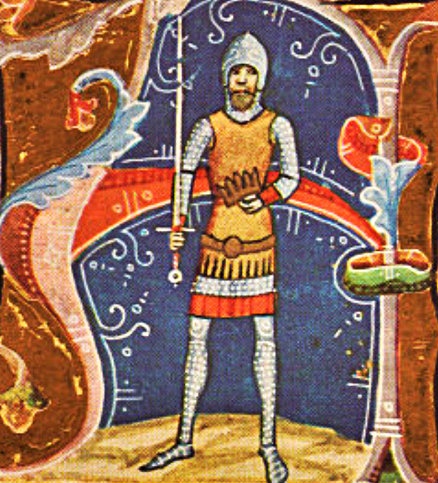
Sensing this danger, Bishop Gellért was called back from his seat in Csanád to help restore the House of Árpád. The exiled sons of Vazul returned, and Andrew leveraged a brewing pagan revolt to seize the throne after his brother Levente’s death. With no heir, Andrew later invited his brother Béla back, and only then did Andrew’s own sons Solomon and David enter the picture, setting the stage for further dynastic conflict.
It wasn’t until the reign of King Ladislaus I (1077–1095) that Hungary’s Christian monarchy was fully stabilised. Under his leadership, the institutions built by Stephen and Géza took root, and the Hungarian state, unlike many other steppe successors, endured under the Árpád dynasty and even began to expand.
Read more from us:
For more Hungarian history stories, click.
To read or share this article in Hungarian, click here: Helló Magyar


