


Secrets of the Hungarian Communism: How Kádár refused to reclaim Transylvania

Change language:
Few people know that János Kádár had a deep fear of flying and was often tense in the air. During flights, he liked to talk with the flight engineer sitting next to him, Sándor Nagyváthy, to whom he once revealed a shocking secret: Brezhnev had proposed returning Transylvania to Hungary.
He flew with Kádár
As Blikk reports, one of the most notable figures at the Ferihegy Air Museum is 76-year-old Sándor Nagyváthy, who worked for decades as a flight engineer at Malév, Hungary’s national airline. Now retired, he guides visitors among the vintage aircraft parked near Budapest’s Liszt Ferenc International Airport and shares stories that he had to keep secret for many years.
His place in aviation history is secured not just due to his technical skills, but because he frequently flew with János Kádár—sometimes hearing the nation’s most confidential secrets at cruising altitude.
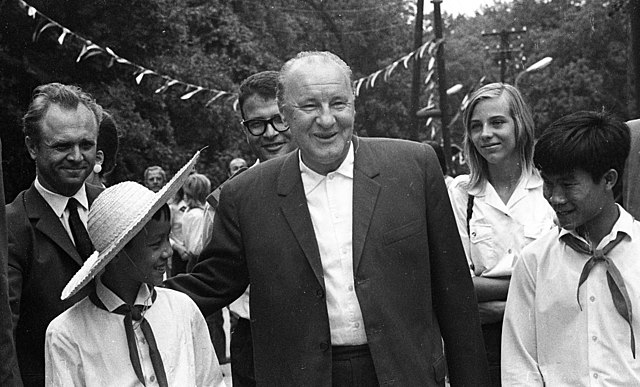
Nagyváthy wasn’t involved in politics; he was a skilled technician who happened to find himself close to power. Kádár, notoriously afraid of flying, always demanded a steady hand onboard. Nagyváthy’s name appeared frequently in maintenance logs because he consistently resolved complex technical issues.
For party leaders, his presence became synonymous with safety: “If Nagyváthy is on board, there’s nothing to worry about.” This deep sense of trust opened the door to moments when the party chief would ease his anxiety mid-flight by disclosing secrets—confidential information never intended for the public.
The proposal to reunite Transylvania
One of the most surprising revelations dates back to 1971. On the way back from Bucharest, a bitter Kádár told Nagyváthy that Soviet party chief Leonid Brezhnev had seriously considered reuniting Transylvania with Hungary. The plan ultimately unraveled because Hungarian leadership feared the dire economic conditions in the region would be too heavy a burden.
Fascinating. The story is totally believable because it makes economic sense. The example we can see is the cost of German reunification which was achieved only with a very prosperous West Germany but was costly and brought down living standards. It was obvious that Hungary could not afford it because Transylvania was such a large area with big population.
Another important point is to consider whether the people of Transylvania actually wanted to be part of Hungary. When I said this to someone from Transylvania in the 80’s he said no. They just want their own country. That’s just one person but it challenges your assumptions.