


Lake Balaton may become unsafe for swimming sooner than thought

Change language:
According to experts, the core issue is that Lake Balaton is a living body of water with fluctuating water levels and a rich ecosystem, yet human activity over the last 100 to 150 years has completely altered it.
Lake Balaton could dry up by 2050
Atv.hu reports that the Balaton Limnological Research Institute has issued a stark warning: if current trends continue, Hungary’s beloved “inland sea” could become unsuitable for swimming by 2035 and may completely dry up by 2050.
The lake is relatively young—its current, contiguous form developed only about 5,000 years ago. Even in a single year, water levels have historically fluctuated. In the past, the lake has been up to 12 meters higher than it is today, and there have also been periods when it nearly dried out. Its ecosystem adapted over millennia to these natural changes.
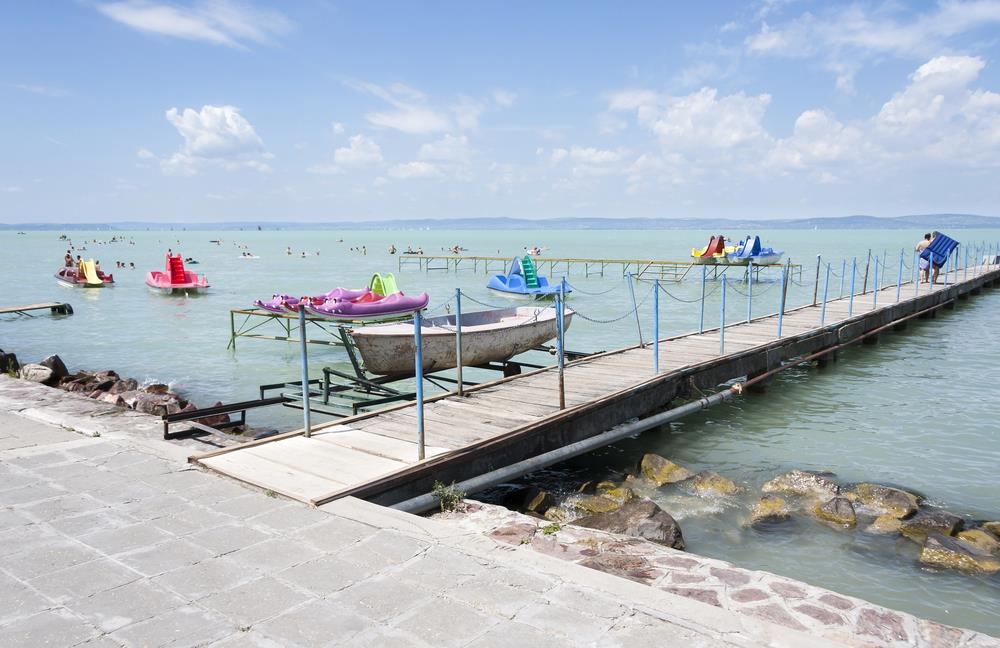
Although there was once a proposal during river regulation projects to drain Lake Balaton—similar to what happened to the drying Lake Velence—to create more arable land and feed Hungary’s population, the plan was ultimately scrapped. By the late 19th century, more and more towns around the lake began attracting vacationers.
We poured concrete all around the Lake
Shorelines that were once dominated by reeds and fluctuating water levels have since been overtaken by residential complexes, hotels, and beaches. The lake has been encased in concrete to keep water levels stable and ensure vacationers are undisturbed.
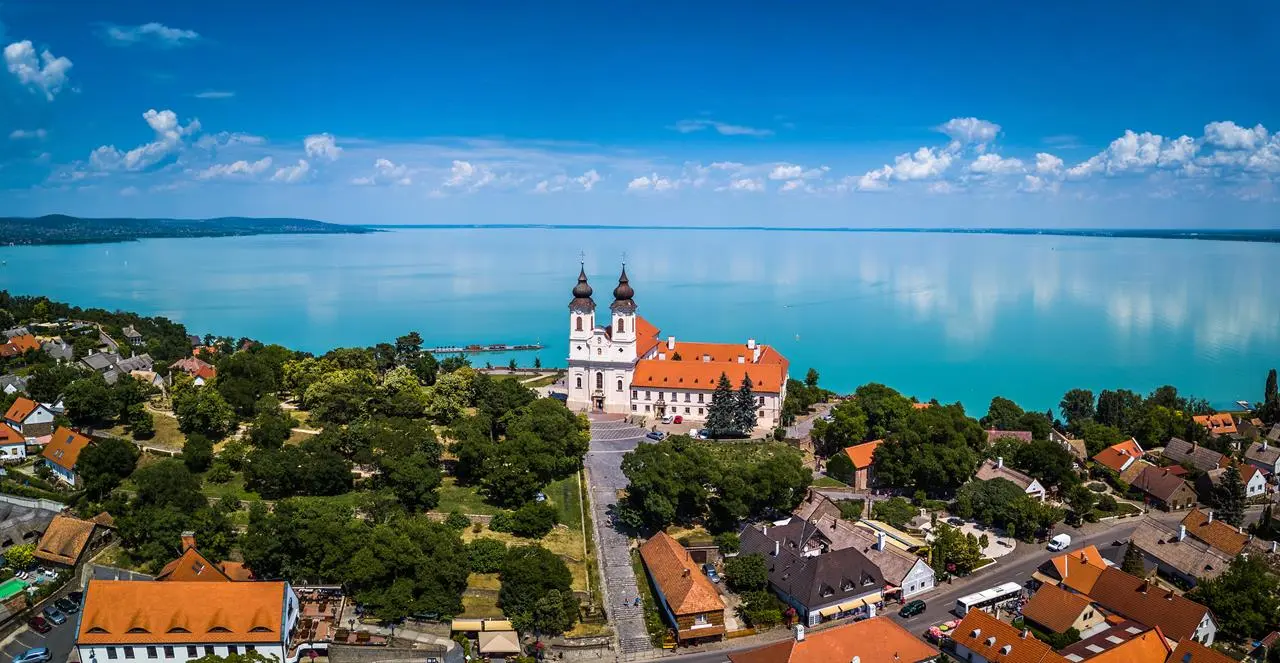
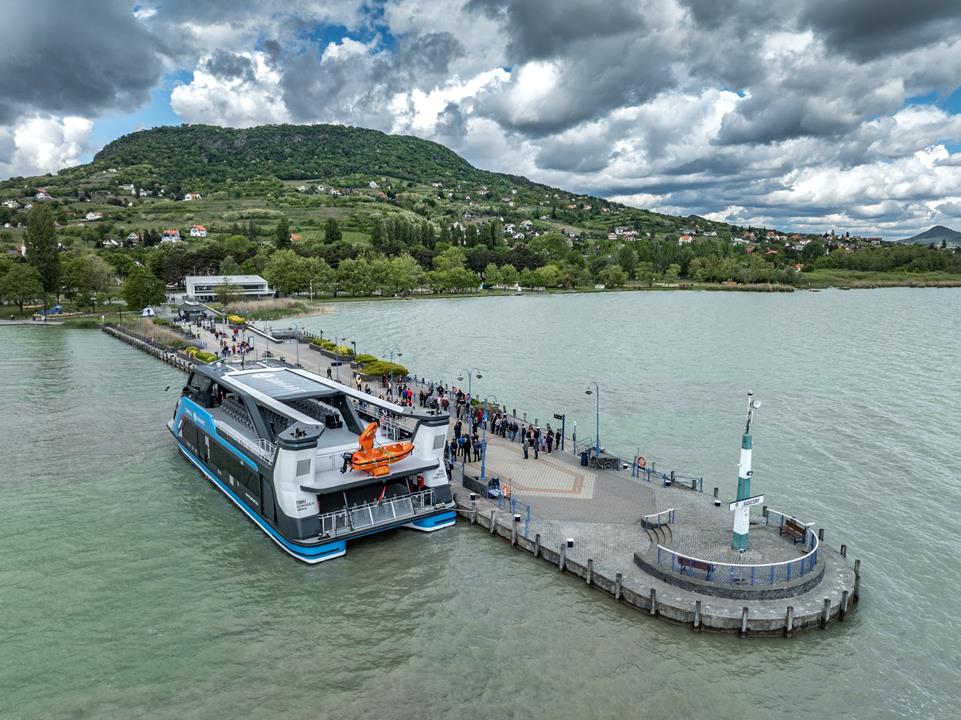
Are these the same “experts” who said the glaciers on the poles would have melted by 2010 or Manhattan would be under water through 2014 or island nations would disappear a couple years later?
Or, indeed, the “experts” who can’t tell with any degree of reliability what the temperature is going to be tomorrow or even if it’s going to rain that same afternoon?
In any sane world, these “experts” would’ve slunk out of the public view with the tail between their legs. Instead, they’re still here, on OUR dime, peddling their superstitious nonsense.
Thanks, but I’ll nukes these “experts” with a glacier-worth of salt.
I am surprised that someone did not destroy Balaton by digging a canal to allow large ships to come from the Adriatic to join the Danube River during the historic past. Thankfully that did not happen because it would also become invaded with non native fish and invasive aquatic plants.