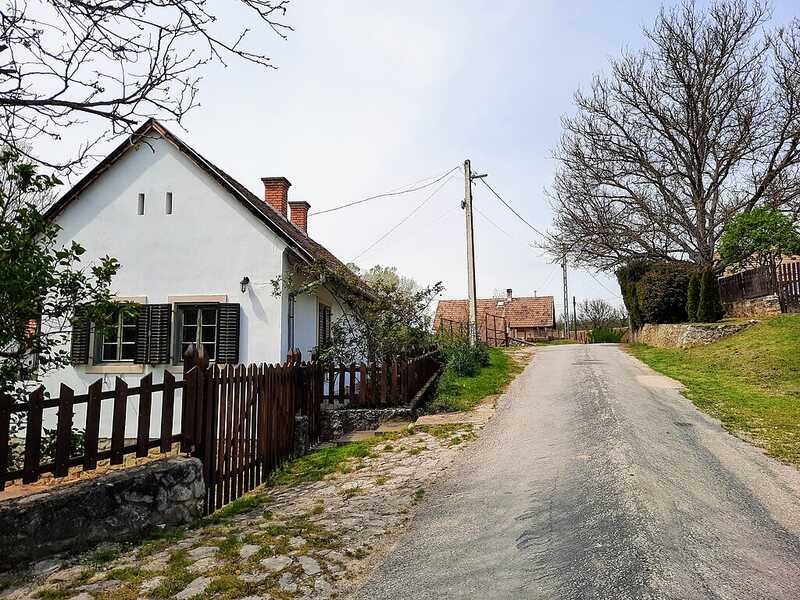
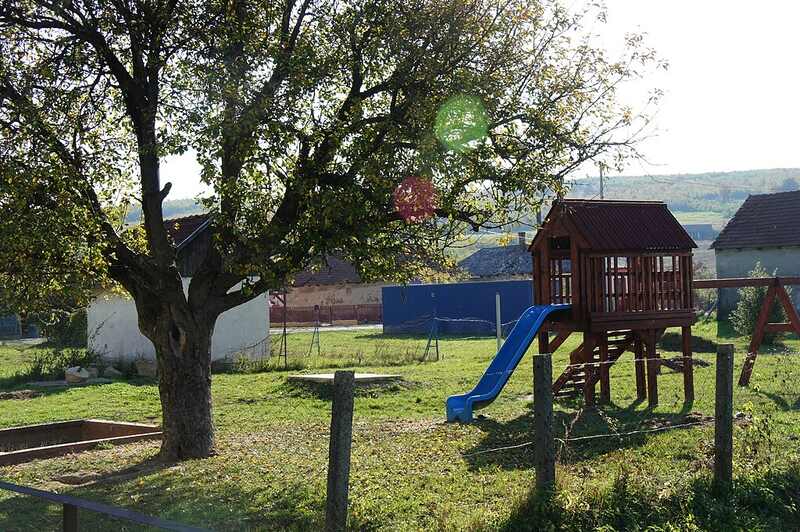
The gap between Hungary’s wealthiest and poorest settlements is striking. While in some towns the average taxable annual income per person exceeds HUF 3 million, in the poorest villages locals have to survive on just a fraction of that. According to 2023 data from the National Regional Development and Spatial Planning Information System (TeIR), the poorest settlement in the country remains Csenyéte.
Average wages vs. reality
Data from the Hungarian Central Statistical Office (KSH) show that in May 2023 the average net wage was HUF 483,000, while the median was HUF 391,200. However, these numbers only reflect the earnings of full-time employees at larger companies and therefore fail to capture the reality for a significant share of the population. Public workers, part-timers, and people living in small villages typically earn much less.
Moreover, average figures can easily be distorted by a few exceptionally high salaries, which is why the median gives a more accurate picture of how much an “average” Hungarian really earns.
The ten poorest settlements
According to a report by Pénzcentrum, based on personal income tax data, these were Hungary’s poorest settlements in 2023:
10. Tiszabő (Jász-Nagykun-Szolnok County) – HUF 524,201 per capita annually (approx. HUF 43,683 or EUR 110/month) High unemployment, with many residents depending on public works and social aid.
9. Rajka (Győr-Moson-Sopron County) – HUF 489,015 (HUF 40,751 or EUR 102/month) Although many work abroad, official local incomes are low as taxes are paid elsewhere.
8. Somogyacsa (Somogy County) – HUF 467,607 (HUF 38,967 or EUR 98/month) A tiny, aging village with very limited livelihood opportunities.
7. Gadna (Borsod-Abaúj-Zemplén County) – HUF 438,918 (HUF 36,576 or EUR 92/month) The closure of mines and industries left the village with almost no jobs.
6. Rinyaújnép (Somogy County) – HUF 434,609 (HUF 36,217 or EUR 91/month) An isolated settlement near the Croatian border where public works are the main source of income.
5. Bódvalenke (Borsod-Abaúj-Zemplén County) – HUF 414,074 (HUF 34,506 or EUR 87/month) Known as the “fresco village,” but tourism has not significantly improved its economy.
4. Szentkatalin (Baranya County) – HUF 396,481 (HUF 33,040 or EUR 83/month) Home to only a few dozen residents, with no institutions or shops, and an aging population.
3. Szakácsi (Borsod-Abaúj-Zemplén County) – HUF 364,511 (HUF 30,375 or EUR 76/month) Located in the Cserehát region, the poor infrastructure discourages investment and job creation.
2. Tornanádaska (Borsod-Abaúj-Zemplén County) – HUF 320,496 (HUF 26,708 or EUR 67/month) A remote border village where most people survive on social aid and public works.
1. Csenyéte (Borsod-Abaúj-Zemplén County) – HUF 235,101 (HUF 19,591 or EUR 49/month) The poorest village in Hungary. With unemployment almost total and most young people leaving, those who remain live in deep poverty, largely dependent on social benefits.
These statistics clearly highlight the stark divide: while in some towns people live on millions of forints per year, in others, families must survive on just a few tens of thousands of forints each month. This widening gap not only fuels social inequality but may also have serious long-term consequences for Hungary’s economic and demographic future.