Subscribe to our social channels to get the latest news about Hungary!


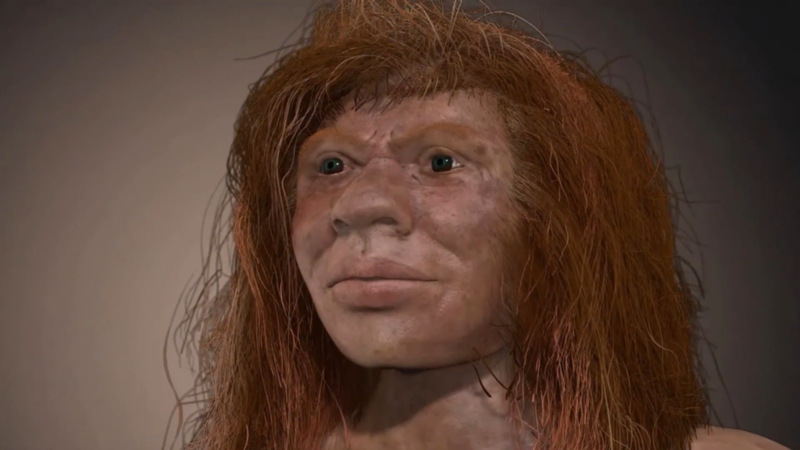
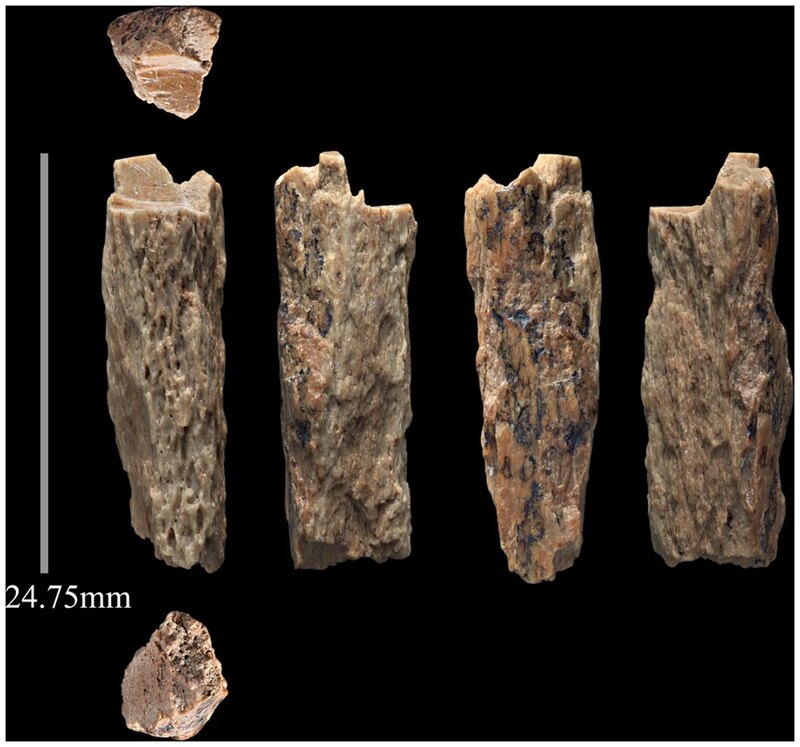
One of the most fascinating discoveries in human evolution was made in 2012 in a Siberian cave in the Altai Mountains, when researchers uncovered the finger bone of a young girl later named “Denisova 11,” or simply Denny.
What made Denny unique was that she is the only known first-generation human hybrid, born to a Neanderthal mother and a Denisovan father.
Genetic analysis of her more than 90,000-year-old finger bone led to a staggering revelation.
Denny was an adolescent girl whose DNA showed the merging of two distinct hominin species—Neanderthals and Denisovans—within a single individual.
Nobel Prize-winning geneticist Svante Pääbo, who specializes in the human genome, said the evidence was so direct, it was as if they had “caught them in the act.”
Adding another layer of complexity to the genetic web, researchers discovered that Denny’s Denisovan father also carried a small amount of Neanderthal ancestry dating back hundreds of generations, highlighting just how intertwined our ancient relatives were.
This blending of species illustrates that human evolution was far from a linear path. Rather, it was a complex process involving frequent hybridization among ancient human species.
The two closely related species lived across Eurasia until about 40,000 years ago, when modern Homo sapiens emerged and gradually replaced them.
While Neanderthal remains have been found throughout Europe, the Middle East, and Central Asia, fossils of Denisovans are limited—mostly discovered in the Denisova Cave that gave the species its name, as well as on the Tibetan Plateau.