


Has Lake Balaton lost its charm? Tourists spend less and less time at the Hungarian sea

Change language:
Fresh data from Hungary’s Central Statistical Office (KSH) for July 2025 reveal significant shifts in one of the country’s most important tourist regions: Lake Balaton. While the number of visitors to tourist accommodations increased nationally and in several other regions, Balaton saw a decline in both domestic and international visitors, posing a serious challenge for local businesses.
A paradox between visitor numbers and overnight stays
Analysis by Pénzcentrum shows that in July 2025, the domestic tourism sector saw a 1.9% increase in visitor numbers. However, overnight stays fell by 1.4% compared to the same month in 2024. The trend suggests that travellers increasingly prefer short, frequent trips over multi-week family vacations, often visiting multiple destinations in a single journey.
The average length of stay dropped from 2.81 to 2.72 nights in 2025. KSH data also highlight that while Budapest and Szeged experienced dynamic growth, Balaton and western Hungary faced a decline in tourism activity.
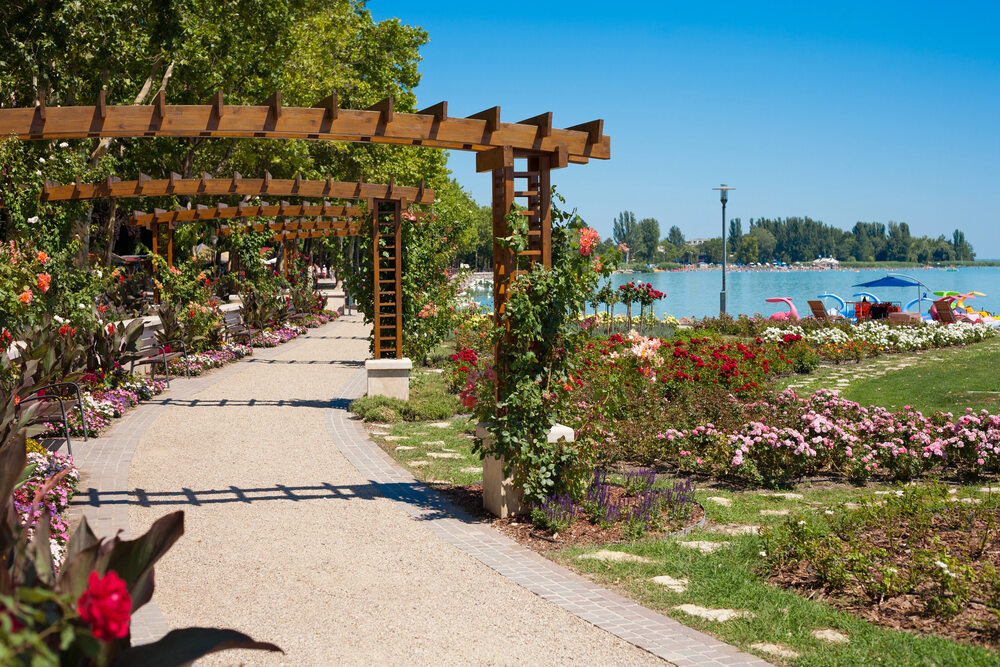
Domestic visitors are declining
Domestic visitor numbers fell by 0.9% in July 2025, while overnight stays dropped by 2.7% year-on-year. Balaton experienced the most notable decline, with domestic visitors decreasing by 5.3%. This is one of the largest drops among Hungary’s key tourist regions, suggesting that local travellers are increasingly choosing other destinations over extended stays at the “Hungarian Sea.” Western Transdanubia—including Vas, Zala, and Veszprém counties—also saw declining visitor traffic.