Subscribe to our social channels to get the latest news about Hungary!


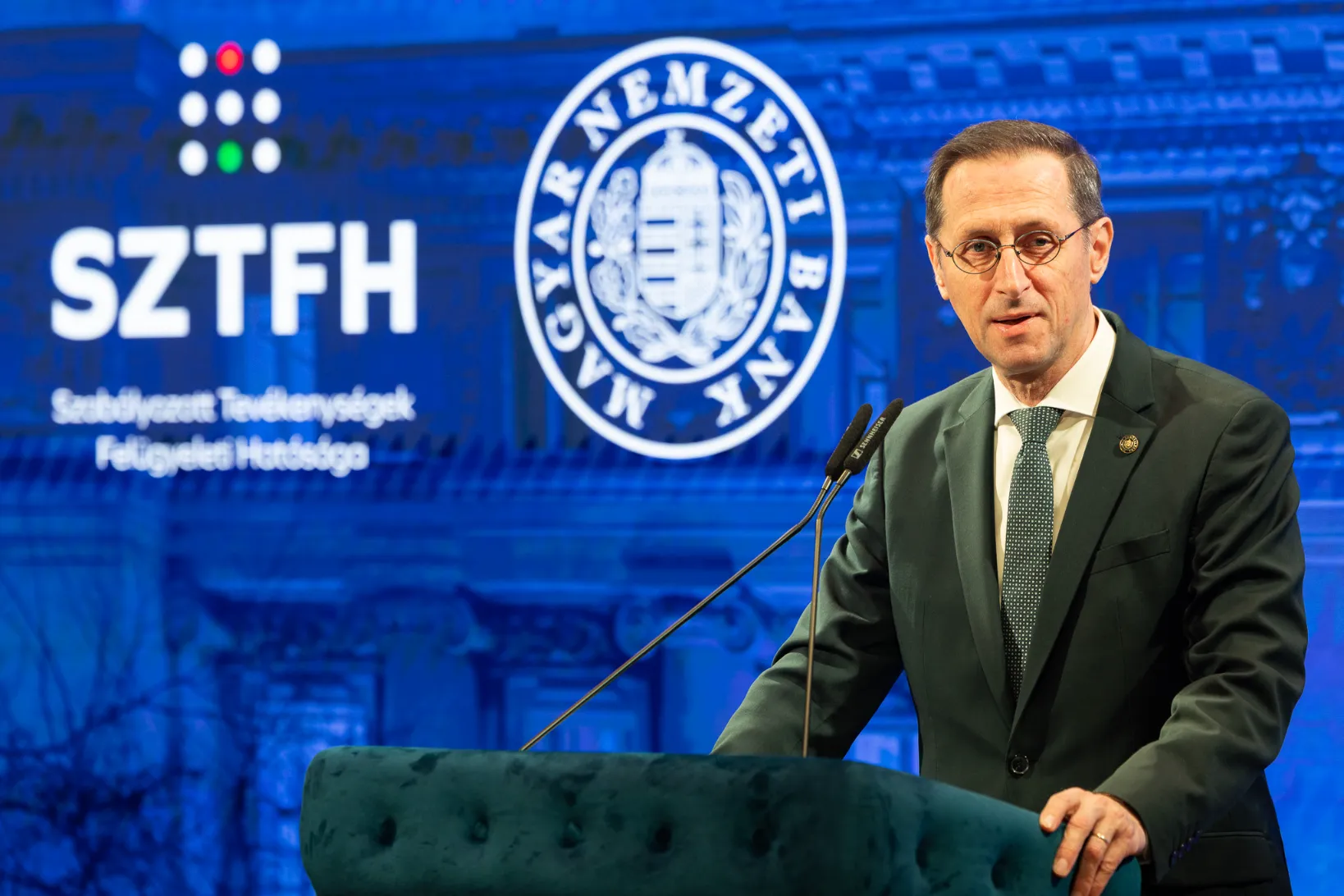
The Monetary Council of the National Bank of Hungary (NBH) decided to leave the central bank base rate unchanged at 6.50pc at a monthly policy meeting on Tuesday.
The Council also left the O/N deposit rate at 5.50pc and the O/N collateralised loan rate at 7.50pc. The rates mark the ends of the central bank’s symmetric interest rate corridor.
In a statement released after the meeting, the Council said the decision was taken “in line with the stability-oriented approach” and highlighted the need for a “careful and patient” approach to monetary policy due to risks to the inflation environment as well as trade policy and geopolitical tensions.
“In the Council’s assessment, maintaining tight monetary conditions is warranted,” they said.
“Restrictive monetary policy contributes to the maintenance of financial market stability, the anchoring of inflation expectations consistently with the central bank target and, as a result, to the achievement of the inflation target in a sustainable manner by ensuring positive real interest rates,” the policy makers added.
The Council said that a subsidised credit scheme for first-time home buyers along with other home purchases subsidies could help boost retail lending stock by 17-20pc in 2025 and 18-22pc in 2026. Corporate lending stock could edge up by 2pc in 2025 and in 2026, they added.
The Council noted that the capitalisation and liquidity position of the Hungarian banking system was strong and “capable of satisfying even a signficantly greater credit demand”.
At a press conference after the meeting, central bank governor Mihály Varga acknowledged a “slight improvement” in the global economic outlook, but said the growth outlook for Germany remained “subdued”. Interest rates in the United States could fall further in the coming months, based on market pricing, he added. He said the central bank’s forward-looking guidance had not changed.

Varga said price restrictions had had a “significant” impact on mitigating inflation but added that “strong repricing” could also be observed. He said that households’ inflation expectations had “decreased slightly”, but remained at a high level.
Click for more news concerning the Hungarian economy.
Commenting on the NBH’s latest quarterly Inflation Report, discussed by the rate-setters on Tuesday, Varga said CPI was expected to remain over the central bank’s 2pc-4pc tolerance band for the rest of the year and could reach the 3pc target early in 2027. The NBH puts average annual inflation at 4.6pc in 2025, 3.8pc in 2026 and 3.0pc in 2027, he added.
Varga said forecasts in the fresh report showed GDP growth reaching 0.6pc in 2025, 2.8pc in 2026 and 3.2pc in 2027.
He noted that labour market tension had eased in the recent period and said minimum wage increases would have a strong influence on wage dynamics looking ahead.
Fielding questions, Varga said a weak exchange rate in the long term did not contribute to economic convergence.


