Subscribe to our social channels to get the latest news about Hungary!


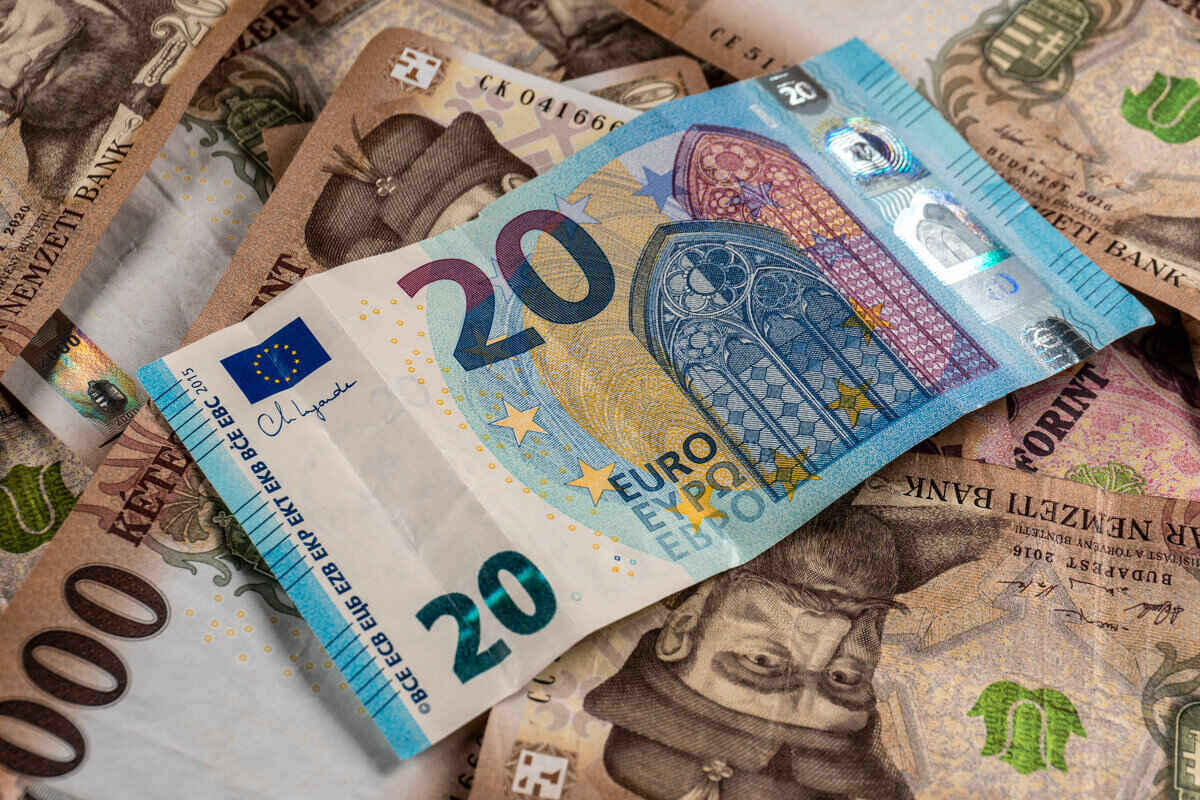
The Hungarian forint had a standout year in 2025, becoming one of the best-performing currencies worldwide. Against the euro, it gained over 6%, while against the US dollar, it surged 17.5%, its strongest annual performance since 2012 and 2002, respectively.
High interest rates in Hungary played a central role. While the National Bank of Hungary (MNB) kept its base rate at 6.5% throughout the year, many developed and regional central banks were cutting theirs. This widening rate gap attracted carry trade investors, who borrowed cheaply abroad to invest in higher-yielding forint assets, Portfolio writes.
For ordinary Hungarians, the effect was tangible. Everyday expenses abroad (like a festive shopping trip to Vienna) cost significantly less than the previous year, which offered a real-world illustration of the currency’s strength.
The forint’s rise was not a single-factor phenomenon. Several reinforcing channels contributed to its appreciation:
These factors were structural rather than speculative, rooted in actual economic activity, trade, and investment flows. This rare alignment of monetary, macroeconomic, and market forces produced a visually striking outcome in 2025.
While 2025 was exceptional, analysts caution that the forint is unlikely to replicate such gains in 2026. The base interest rate remains at 6.5%, offering some continued support, but much of the speculative capital may already have flowed in. Estimates suggest EUR 5–6 billion moved into forint positions last year, raising the risk that investors may now begin closing their positions, which could trigger a sudden weakening.
Additionally, the MNB has altered its communication strategy, shifting from signalling a firm commitment to high rates to deciding meeting by meeting. Early signs of inflation easing could prompt rate cuts, which may reduce the forint’s attractiveness to investors.

Hungary’s parliamentary elections in April 2026 could be a critical factor for the forint. Analysts have speculated about the opposition Tisza Party’s potential victory, which campaigns on improving access to EU funds and even exploring euro adoption.
Bank of America projections suggest a Tisza win could strengthen the forint below 360 to the euro, while a government victory could see it weaken above 390. Pre-election fiscal loosening could also sway the market, potentially creating moments when betting against the forint appears more profitable.
For much of the year, opposing forces may balance each other out. The forint is expected to trade in a narrow range of 380–400 against the euro, with a significant breach above 400 considered unlikely. While high interest rates, political developments, and fiscal policy will continue to influence the currency, 2026 may be more a year of consolidation than spectacular gains.

 HR
HR NL
NL FR
FR JA
JA RO
RO RU
RU ES
ES TR
TR


The problem with high interest rates is that it chokes economic growth. The government tries to shield young families from it by offering subsidized mortgages but that subsidy has to come out of general tax revenues and then you read other articles about out of control government debt. Even with a 6.5% central bank rate Hungary has inflation of 3.7% whichwhile lower than before still considerably above the EU average of 2.4%. It’s looking like Hungary is slipping into Stagflation. Whoever wins in April is going to be governing a country on the edge of real financial crisis. If it’s Tisza Hungary has a chance to enact Rule of Law reforms and get access to EU funding that will keep it from going over the edge. If it’s Fidesz Hungary is doomed because it won’t get bailed out by the EU due to its’ failure to enact Rule Of Law reforms. Our family in Hungary jokes that we should never downsize our house because they may need to leave Hungary when it goes over the cliff that Fidesz is leading it to.