Subscribe to our social channels to get the latest news about Hungary!


After Terézváros’s clampdown and the government’s moratorium on short-term lets—running until the end of this year—Budapest’s rental market could face even tougher restrictions. The Fidesz candidate for Belváros, who also serves as deputy mayor of the I district, is pushing to wipe out Airbnb entirely in the city centre. He insists it would benefit residents there, though critics have long warned that banning the platform could devastate Budapest’s tourism and even harm big hotel chains.
Budapest’s VI district, Terézváros, held a local referendum last autumn on slashing the number of days flat owners could rent out properties short-term—typically to tourists—to zero. Dubbed the “Airbnb referendum”, the vote was razor-close, but a slim majority backed the ban. The measure has survived every court challenge and took effect on 1 January. Enforcement comes via “Airbnb commandos” slapping stickers on flats still operating illegally.

Erzsébetváros—the notorious party district in the VII—joined the crackdown last November. As we reported, there was no fanfare locally, but they’ve imposed near-impossible conditions for new listings. In practice, fresh entrants are blocked, while existing ones limp on—for now.
Enter Csilla Fazekas, deputy mayor of the I district (Buda Castle area) and Viktor Orbán’s Fidesz pick for April’s elections. Her patch is vast, encompassing the entire I and V districts, plus chunks of VI, VII, and XI. She’s summoned the mayors of these areas for an Airbnb summit, though she told Index bluntly: a full ban is her preference.
She cites protecting residents, halting the centre’s depopulation, and stopping blocks turning into de facto hotels. Fazekas enjoys tight links with the I and V district mayors—both Fidesz—and their council majorities. In the V district, rules were tweaked back in 2020 to cap Airbnb at 5% per block, meaning just one or two per building.

Anyone tracking Hungary’s property boom knows it topped EU price surges, pricing young buyers out entirely. These bans—politics aside—aim to free up homes for locals. A government scheme now offers 3% Otthon Start loans to help, and Terézváros data shows Airbnb shutdowns boosted long-term rentals and sales by 33%. By January 2026, average rents dipped 1%—unheard of in years.
The Covid pandemic brought the same: Airbnb’s collapse flooded the market with long-term lets and drove rents down.
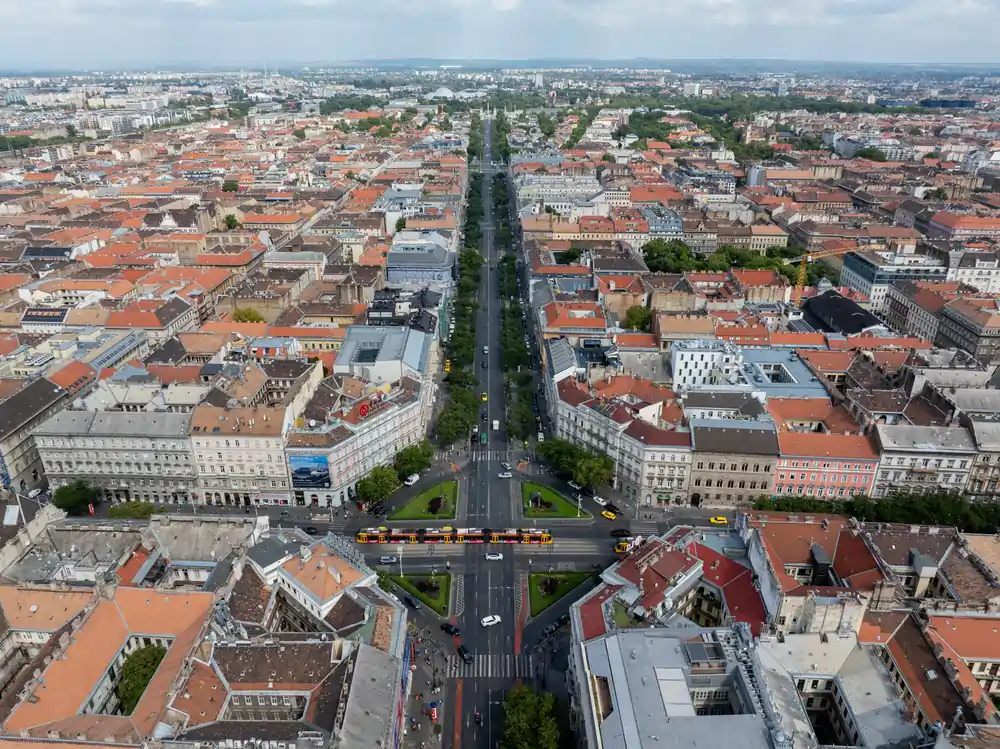
Mayors love it: rowdy, foreign-speaking party tourists disrupt not just blocks but whole neighbourhoods. And running a building grinds to a halt when owners are absentees—calling a sensible meeting becomes impossible.
Airbnb backers, pre- and post-Terézváros vote, warn of tourism slump. They argue guests won’t pivot to hotels but pick rival European spots instead. Problems with cleanliness or safety, they say, stemmed from black-market or grey-area operators—not legit ones. And the largest companies did not close their short-term rentals, as well.
In 2022, the Budapest Centre seat went not to Fidesz but opposition LMP’s Antal Csárdi, covering I and V districts plus a sliver of IX.

 HR
HR NL
NL FR
FR JA
JA RO
RO RU
RU ES
ES TR
TR

