Subscribe to our social channels to get the latest news about Hungary!


A recently adopted Hungarian law may allow local municipalities to restrict who can buy property in and move into their towns. The “Local Identity Act” (Önazonossági törvény) gives settlements the power to protect their identity, infrastructure, and way of life by limiting population growth: a move that’s now being considered by several towns, including Alsóörs on the northern shore of Lake Balaton.
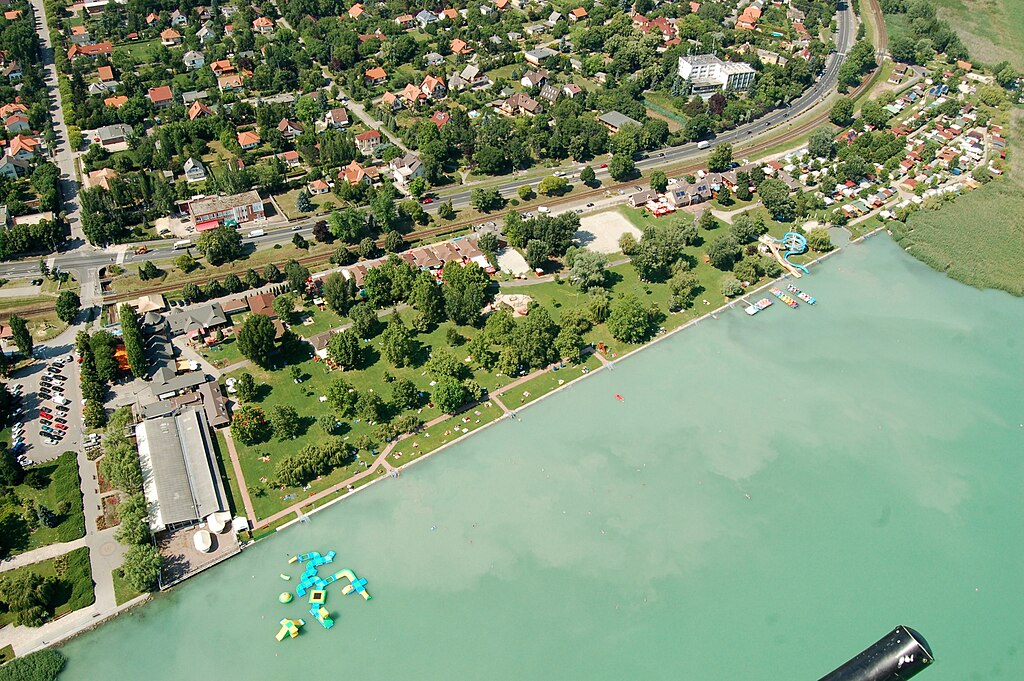
Over the past 23 years, Alsóörs (a town near Lake Balaton) has seen its population grow by 47%, Pénzcentrum reports. Mayor Zsolt Hebling expressed support for the new law, stating that the town has reached its ideal size and further expansion could strain its public services. “We’ve managed to preserve the liveability of our village. I’m glad municipalities finally have tools to make their own decisions,” he told the press.
The law allows municipalities to set population caps, regulate new developments, and prioritise local buyers in property sales through pre-emption rights. However, local governments must first define the maximum population they deem sustainable before implementing restrictions.
While the law has sparked concern about potential overreach, it’s intended to address rising issues in rapidly growing areas, especially around Budapest and Lake Balaton. Officials argue that unchecked migration and mass real estate purchases often push out local youth and alter the traditional character of these towns.
Vác, a commuter town near Budapest, has already taken action. Though the city’s official population is around 34,000, local officials estimate it to be closer to 36–38,000 due to unregistered renters. In recent years, Vác saw entire new districts emerge, often with large apartment complexes lacking sufficient infrastructure like proper roads, drainage, lighting, and access to nurseries or kindergartens.
Bence Tótváradi-Nagy, a local council member in Vác, explained that they began tightening zoning laws years ago to control overdevelopment, limiting apartment block construction and increasing minimum plot sizes. The goal was to reduce overcrowding and prevent further strain on already stretched public services.

According to the Local Identity Act, the right of communities to preserve their character includes the ability to reject demographic changes they deem harmful. While the law does not mandate restrictions, it gives municipalities a legal framework to act if they choose.
Several towns are now reviewing their options. Although the law may help protect small-town charm and prevent overburdening infrastructure, experts warn it must be implemented carefully to avoid discrimination and ensure fairness. While Alsóörs and other towns contemplate their next steps, the debate over development, local identity, and housing access in Hungary is likely to intensify.
Read more news about buying property in Hungary HERE.
Read also:


