Subscribe to our social channels to get the latest news about Hungary!


Once again this year, a major study has examined Europe’s most child-friendly cities, and Budapest scored surprisingly low.
Urban centers today increasingly compete to offer safe, livable environments for families and children. Child-friendly urban infrastructure goes beyond just playgrounds and parks: it also involves safer transportation, improved air quality, and reduced traffic around schools.
The Clean Cities Campaign has released its latest 2025 survey, revealing which European cities are leading the way and where Budapest currently stands.
According to Dívány, Hungary’s capital is well-regarded for its family-oriented attractions, including the playgrounds and petting zoo on Margaret Island, expansive city parks, and year-round thermal baths.
The city also offers several kid-focused walking tours that present Budapest’s history and hidden gems through interactive storytelling, helping children become more conscious urban citizens while engaging and learning.
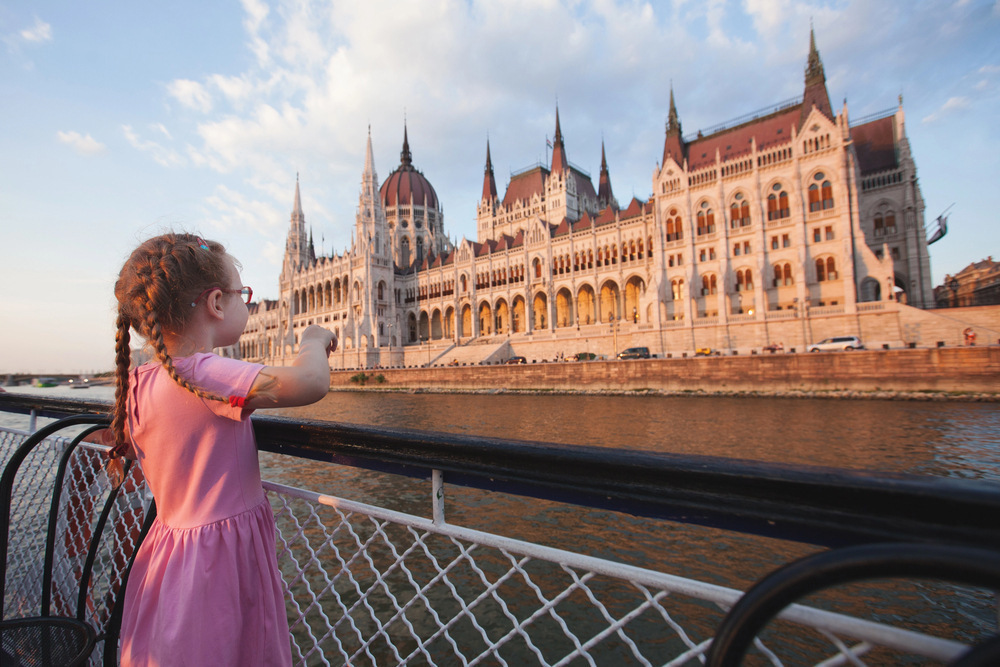
However, the 2025 Clean Cities Campaign’s “Urban Mobility for Children” report paints a less favorable picture of Budapest’s transportation infrastructure. Out of 36 cities, Budapest ranked 30th, with a score of only 16 percent. This outcome is largely due to the scarcity of low-speed zones, limited traffic calming measures around schools, and a lack of protected bike lanes.
Topping the list are cities like Paris, which stands out for its strong political commitment and comprehensive efforts to reduce traffic, expand bike lanes, and transform areas around schools into truly safe spaces.
Paris, Amsterdam, and Antwerp lead the rankings as Europe’s top child-friendly cities, successfully creating modern, eco-conscious, traffic-calmed environments that improve quality of life for both families and all residents.
In these cities, 30 km/h speed limits have been widely implemented, car-free zones have expanded, and physical barriers now separate more bike lanes: all measures that have helped lower accident risks and reduce air pollution.
Within Hungary, other cities are also making strides toward child-friendliness. Pécs, for instance, offers family attractions like the Zsolnay Quarter and Mecsextrém Adventure Park, while Szarvas features its arboretum and floating theater.
Though Budapest’s infrastructure has room for improvement in terms of child-friendliness, its wealth of cultural and recreational offerings, along with grassroots initiatives and kid-centric city tours, contribute to improving family life in the capital.
When it comes to transportation upgrades and safe urban mobility, however, following Western European examples could be key to turning child-friendly city visions into tangible reality.
Creating a sustainable, safe, and family-oriented urban environment not only enhances the quality of life for parents and children: it also serves the long-term wellbeing of the entire community and city.
Read also:
Featured image: depositphotos.com
To read or share this article in Hungarian, click here: Helló Magyar


HAHAHAHAHAHAHA!!!!!!!!!!!!!!
Paris!?!?!?!?!
You get pickpocketed before you’ve even gotten off the plane, you get harassed at every single major and minor site of interest by African scammers, and you get stabbed by a “New European” in two thirds of the city’s arrondissements. Plus most of it looks like a mix of Mogadishu, Bamako, Algiers, Ankara, and Dhaka.
Amsterdam is only a little better.
Just goes to show what absolute B.S. these “lists” are.