Subscribe to our social channels to get the latest news about Hungary!


Café debates, theatre nights, horse racing thrills: in 20th-century Hungarian cities, entertainment was largely rooted in vibrant communal spaces. Coffeehouses, racetracks, salons, and theatre halls weren’t just about leisure—they were social stages where every gesture, outfit, and word carried meaning.
In the first half of the 20th century, going to the theatre was a major cultural event. Venues like the National Theatre, the Vígszínház, or the small Kis Színkör in Buda filled up night after night with elegantly dressed audiences. For them, the theatre was not only about art and culture but also a key space for social life. It was no different outside the capital—cities like Szeged, Debrecen, and Kecskemét boasted thriving theatrical scenes.
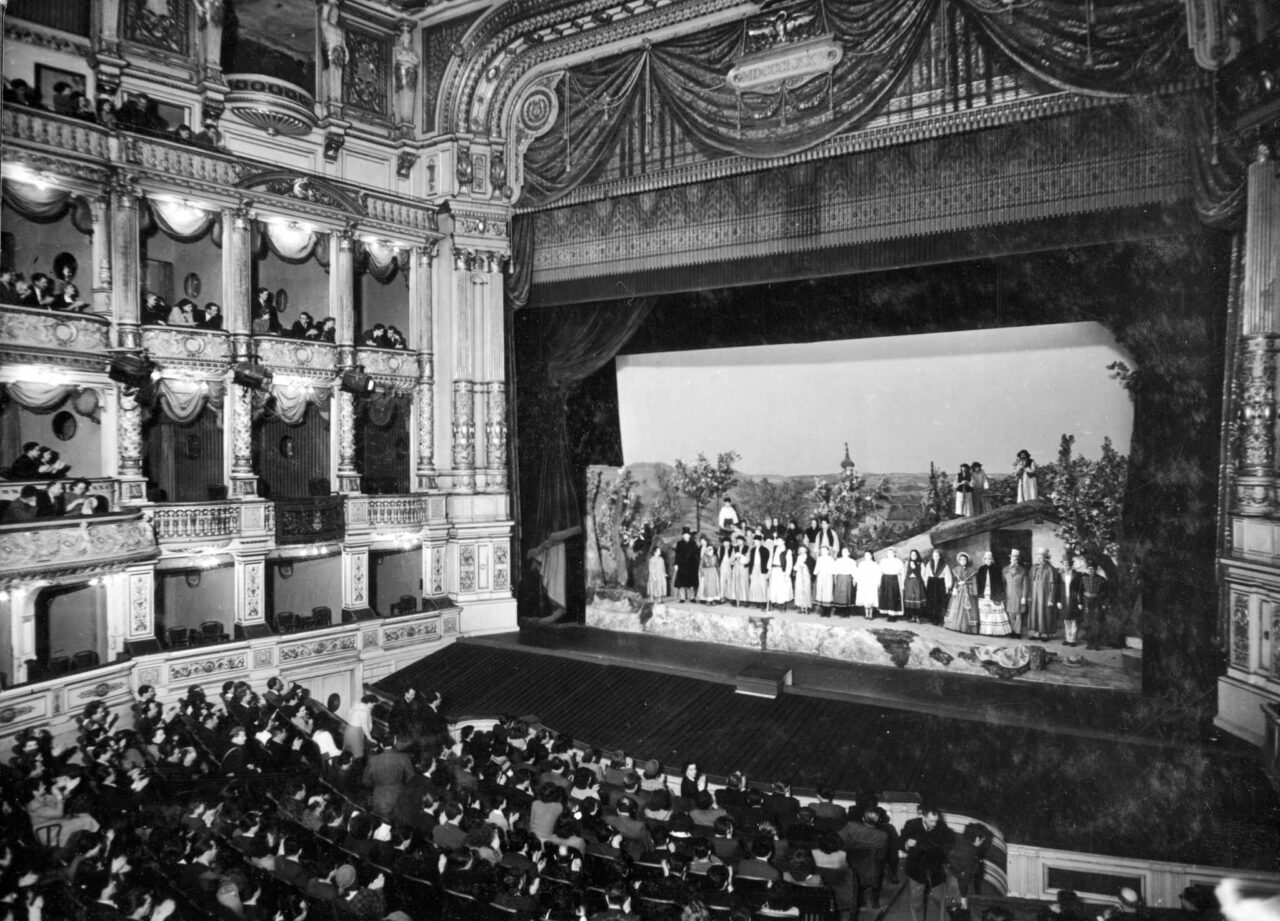
The audience often acted as critical observers, and their own presence became part of the social performance—where they sat, what they wore, and with whom they arrived were all hot topics over coffee the next day.
At home, it was common to host salon evenings on weekends, gatherings where friends, family, and acquaintances would come together. Someone might play piano, another read a new poem or short story. Some played chess or cards, and there was always someone eager to philosophise about the “winds of change.”
These evenings weren’t just for fun—they were intimate settings for networking, exchanging ideas, and experiencing culture. Many young artists had their first chance to showcase their work here—a fresh poem, a new song, or a novel idea. Appearance mattered here too—what one wore, what one said, and who they arrived with. Especially popular among the urban intelligentsia and the well-off middle class, these events acted as intellectual clubs without a membership fee—just bring something: a thought, a story, your presence.
In the early 20th century, horse racing was a true mass passion, especially among urban citizens. In Budapest, the trotting track near City Park and later the Kincsem Park became the main venues. The grandstands, boxes, and grassy viewing areas attracted all layers of society—from ladies with parasols and gentlemen in tuxedos to working-class folks trying their luck with a few coins. Horse racing wasn’t just a sport; it was a social event—a place where excitement, luck, and community all came together.
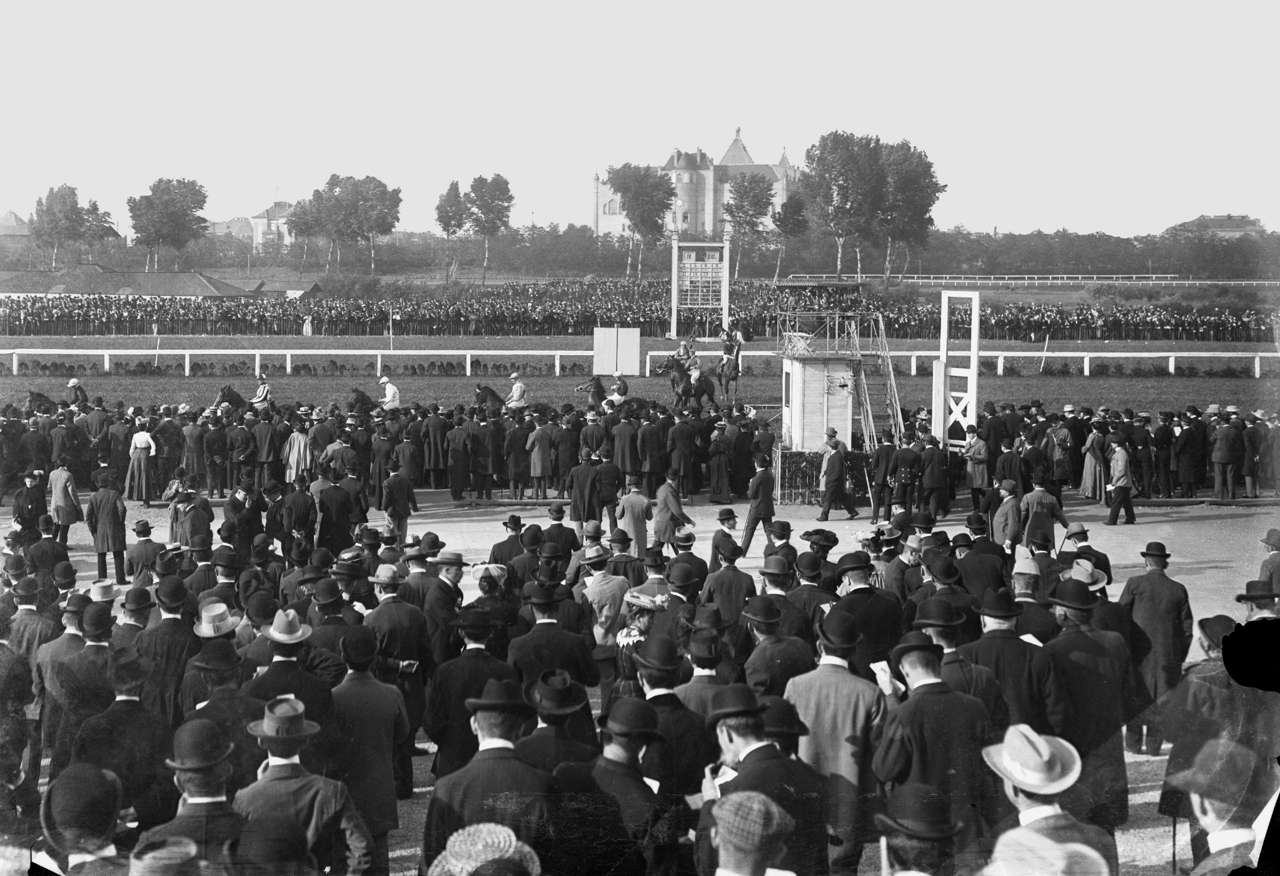
Horse racing was also a popular topic in the coffeehouses, which held immense popularity at the time. A café was more than just a place to get a coffee; especially in Budapest, it was a social hub. Japán, Centrál, Hadik, New York—legendary names steeped in culture, sparkling wine debates, and hours-long conversation. These spaces were natural venues for reading newspapers, political discussions, and exchanging ideas.
At the start of the 20th century, so-called automat cafés or “penny arcades” began to appear in Budapest and in some larger provincial cities. Visitors could try out machines operated by coins—early versions of modern game parlors, though instead of flashing neon, they featured brass buttons, wooden booths, and creaky gears.
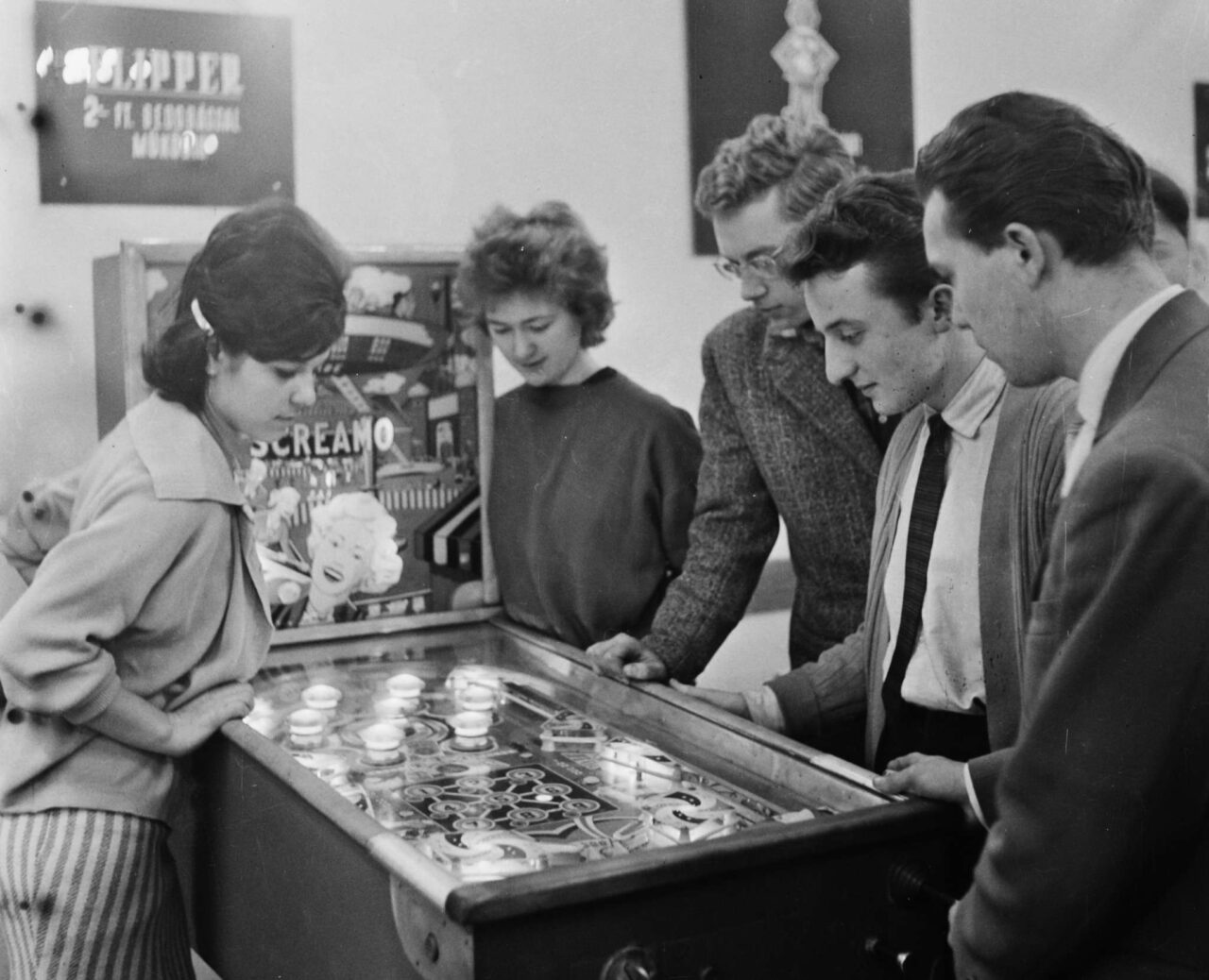
The selection was colourful: roulette wheels, drawing machines, moving-image “curiosity cabinets” that offered glimpses into exotic worlds. Some offered love predictions, others gave a humorous readout of your current “intelligence” level. Some simply spun and sparkled—enough to spark laughter nonetheless.
Young people loved them, and even adults didn’t look down on those who “pulled the lever one more time just in case this was their lucky spin.” These places were among the first modern entertainment venues, where you didn’t need to be cultured or elegant—just curious.
Today, a few clicks are enough to stream a show or listen to music, but there was once a time when fun mostly took place on the street, at cafés, or by the racetrack. And while much has changed, the desire for shared experiences hasn’t—just the settings have.
To read or share this article in Hungarian, click here: Helló Magyar
Read more news about Hungarian history HERE.
Read also:


