Subscribe to our social channels to get the latest news about Hungary!


One of history’s greatest mysteries is the true burial site of Vlad Tepes, better known as Dracula, the infamous 15th-century ruler of Wallachia.
For centuries, there has been much debate about where he was actually laid to rest: some claim Romania, while others argue that his final resting place is actually in Naples, Italy.
In recent years, increasing attention from researchers has focused on the Santa Maria la Nova church and its adjoining monastery in Naples. Giuseppe Reale, director of the museum centre associated with the church, believes that all signs point to one of the tombs inside the church containing the earthly remains of Vlad Tepes.
As Blikk reports, the story gained wider publicity back in 2014 when Italian and Estonian researchers – Raffaele and Giandomenico Glinni – identified the tomb of Mattia Ferrillo in the monastery courtyard as a possible burial site of Vlad Tepes. The tomb features symbols such as dragons and sphinxes, which are thought to be references to Dracula.
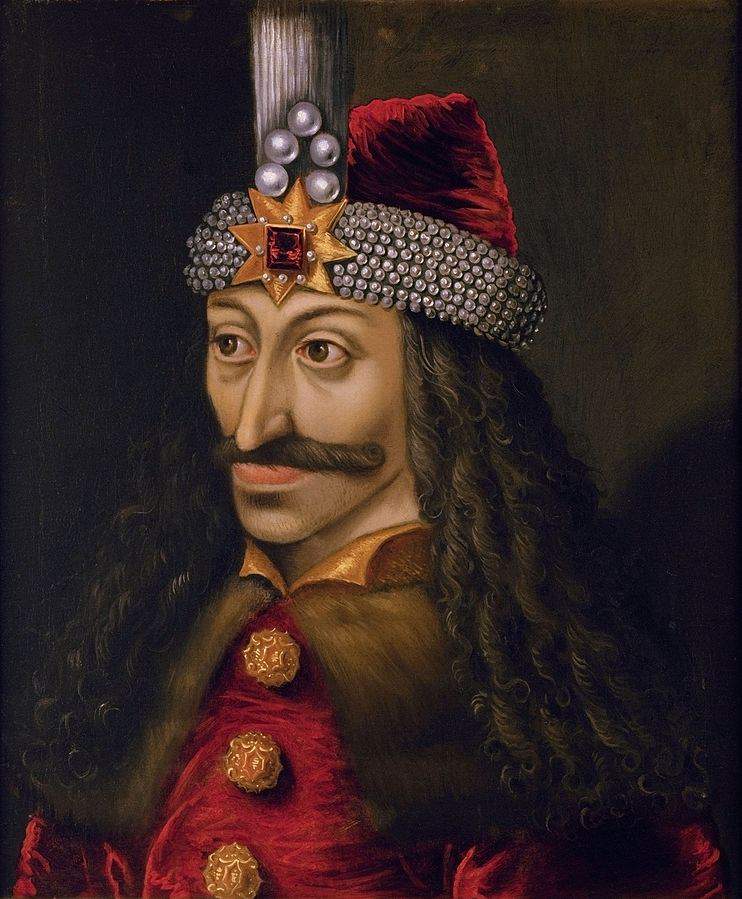
It is believed that Vlad Tepes’ daughter, Maria Balsha, was sent to the Neapolitan court at the age of seven and later married into the Ferrillo family. This could explain why her father was also buried in the Ferrillo crypt.
As hvg.hu points out, further support for this theory comes from a mysterious inscription found on the wall of one of the church’s chapels. The inscription has not yet been fully deciphered or made public. Claudio Falcucci, an expert in dating and identifying artworks, examined the text and concluded it dates back to the 15th century and contains the name “Vlad” multiple times.
Romanian news outlets report that debate continues over whether Vlad Tepes’ remains are truly in Naples, or rather in the Snagov Monastery or the Comana Monastery near Bucharest. Mircea Cosma, an engineer and well-known Dracula myth researcher, supports the southern Italian tomb theory, but there is no consensus within the scientific community.
Dracula’s figure has fascinated not only historians but also artists and filmmakers for decades. The most famous cinematic Dracula was played by Béla Lugosi, a Hungarian-born actor whose name is even inscribed on the Hollywood Walk of Fame. His iconic portrayal helped turn Dracula into one of pop culture’s most recognisable characters.
Although definitive proof is still awaited, the Santa Maria la Nova church in Naples is increasingly coming under the spotlight as a potential burial site of Dracula. This historical mystery continues to captivate researchers and legend enthusiasts alike, and it will likely remain a source of intrigue for many years to come.
Read also:


