Subscribe to our social channels to get the latest news about Hungary!


When it comes to World War II weaponry, Hungary is rarely mentioned among the major arms producers. Yet, during the late 1930s, the Hungarian Royal Army made a bold choice that led to the development of a unique firearm: the Király submachine gun, also known as the Danuvia after its place of manufacture.
According to Portfolio’s report, at the time, smaller nations had two options for equipping their soldiers with modern firearms: purchase weapons from abroad or attempt to produce their own. Hungary opted for a middle path. Pál Király, a talented Hungarian engineer who had previously worked with Switzerland’s SIG Sauer on the MKMO and MKMS submachine guns, redesigned the MKMS into what became the Király 39M.
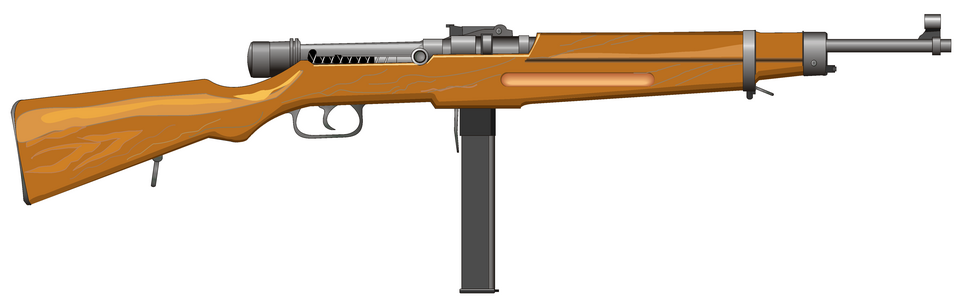
In 1939, the Hungarian military tested the 39M against Germany’s soon-to-be-legendary MP40. The German weapon was cheaper, lighter, and featured a folding stock. Still, the Hungarian design impressed with a more advanced bolt system and higher firepower. Crucially, it was domestically produced, which tipped the scales in its favour. The weapon was officially adopted as the 1939M.
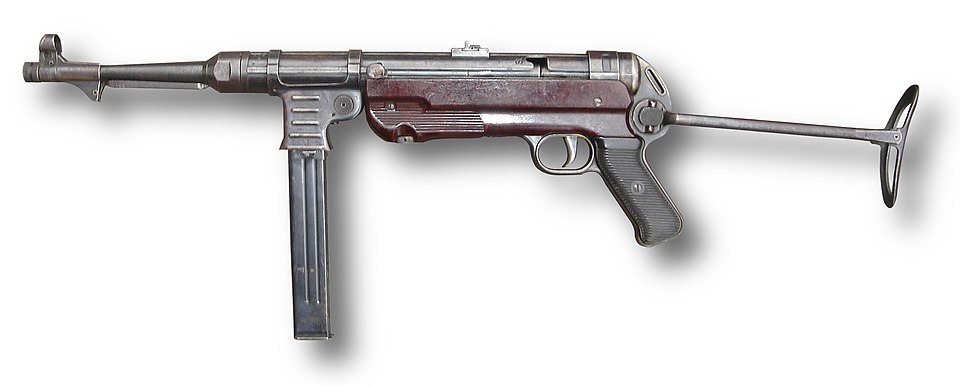
The 39M initially featured a wooden stock and adjustable sights, in line with the standards of the era. But as the war intensified, the weapon underwent multiple redesigns: a folding stock (1939/A M), later a switch to metal (1943M), and eventually the complete removal of wooden parts (1944M).
What set the Király apart from its European counterparts was its versatility and robustness, according to Portfolio. It could be fitted with a bayonet (unusual for submachine guns at the time), and its magazine housing could be folded for transport. Its most distinctive feature, however, was its use of the powerful 9×25 mm Mauser cartridge. This gave it greater range and penetration than both German and Soviet submachine guns, though it also introduced reliability issues.
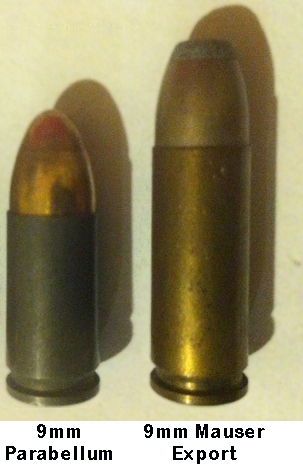
The Mauser round, while potent, was already outdated by the 1940s. The high pressure it generated often caused spent casings to jam in the barrel, requiring time-consuming fixes with a cleaning rod: an impractical scenario in combat. To counter this, Hungary reduced the gunpowder charge in the cartridges, but this diminished the weapon’s performance, erasing much of its advantage over rival models. Additionally, as the only Eastern Front weapon using this ammunition type, logistics became a significant burden.
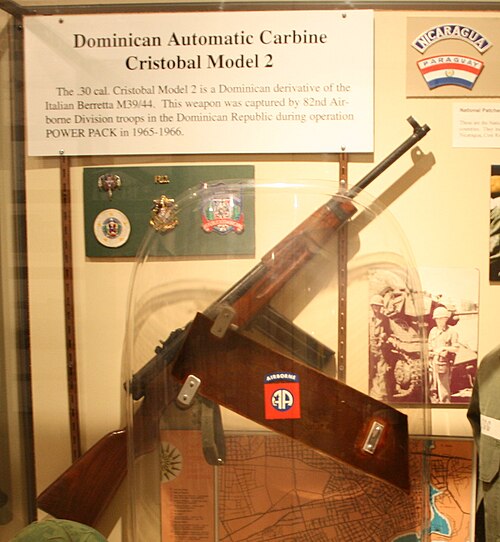
After the war, the Király submachine gun was retired, but its story did not end there. Pál Király emigrated to the Dominican Republic in 1948, where he developed the San Cristóbal carbine based on the 39M. Remarkably, the weapon remained in front-line service there until 1990 and continues to appear in training exercises.
Read also:


