


A curious experiment reveals why Hungary is fighting a losing battle against a mosquito invasion

Change language:
Despite widespread mosquito control efforts across Hungary, with authorities and municipalities spraying over thousands of hectares, mosquito populations remain stubbornly high, leaving many communities in unbearable conditions.
Countrywide spraying underway
In mid-July, mosquito spraying took place in multiple rounds across the country. According to the National Directorate General for Disaster Management, the spraying began on 7 July in six districts of Budapest and four counties, covering a total of 77 municipalities and approximately 25,000 hectares. The national spraying campaign officially launched on 8 July and continued over the following days in 11 counties and 53 municipalities, as repeated rainfall created new breeding sites.
At the same time, public concern is mounting, and rightfully so—mosquito numbers haven’t dropped significantly despite the treatment. In many areas, conditions remain nearly unbearable, with bite rates barely declining. Meanwhile, health risks are rising due to invasive species like the tiger mosquito, which can transmit dangerous diseases such as West Nile fever, dengue, and the Zika virus. Just days ago, two Hungarian men tested positive for infections.
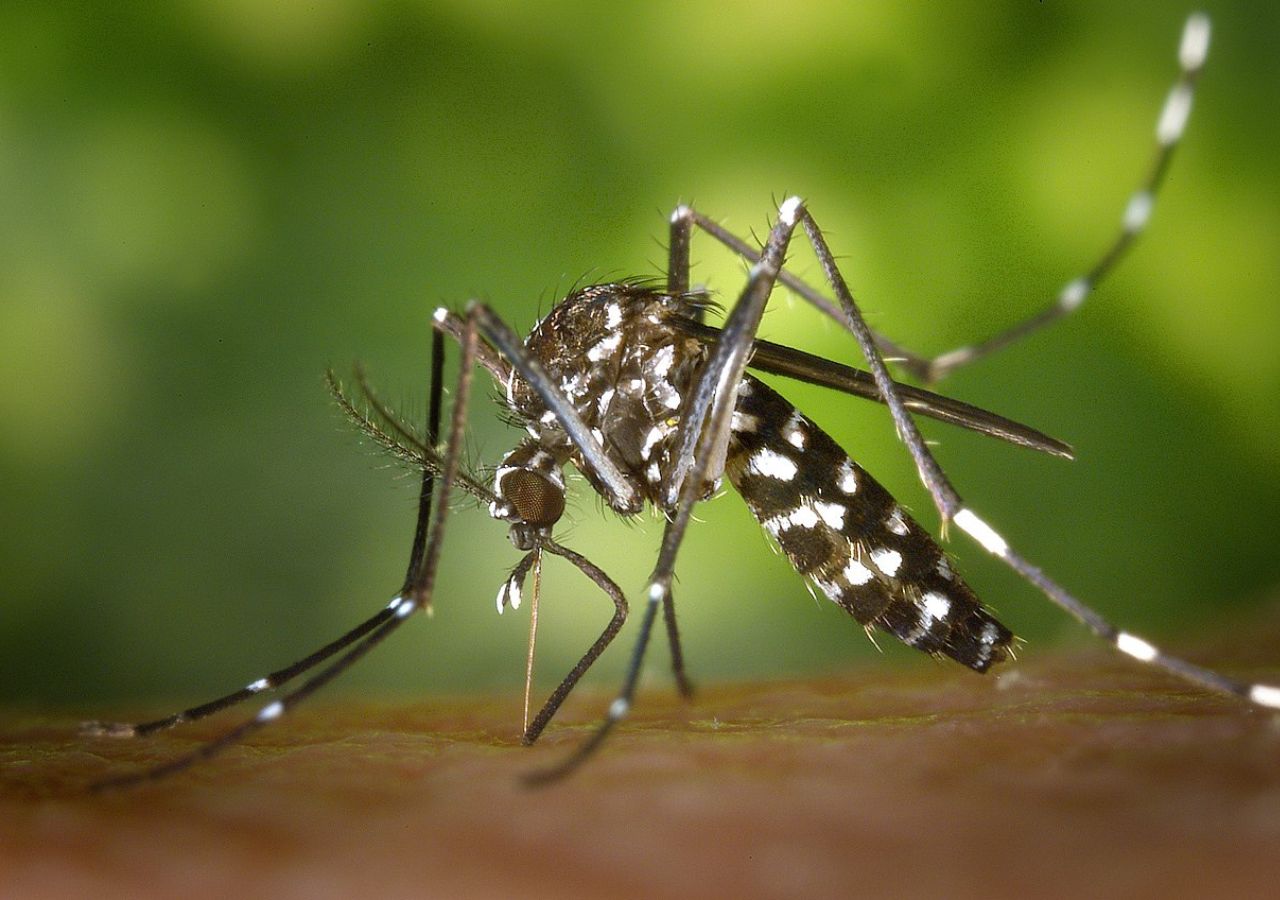
The European Centre for Disease Prevention and Control (ECDC) urges member states to remain vigilant, emphasising that effective protection should rely on biologically based prevention methods.
Curious test in Diósd: Mosquitoes untouched
Mosquito spraying was recently carried out in Diósd after growing demands from residents. The local government initially hesitated, but parts of the town had become nearly uninhabitable—researchers recorded over 30 bites per hour.
Dr. László Mezőfi, a plant health expert and research ecologist, set out to objectively evaluate the spray’s effectiveness. He laid out sheets in his garden and installed insect traps at four locations around Diósd to compare conditions before and after the treatment.
The results posted on Facebook were shocking: on the night of the spraying, not a single biting mosquito was found, but 65 dead or dying insects of other species were collected—including non-biting midges, ladybugs, parasitoid wasps, ants, and even oak lace bugs. As Mezőfi put it: “’Ladybug control’ would be a far more accurate term for this kind of deltamethrin-based intervention.”