What was LGBTQ+ life like in communist Hungary? – PHOTO, VIDEO

Change language:
How did members of the LGBTQ+ community find love before Grinder and other dating apps? And what other meet-cutes were feasible during the dark ages of Communism? What secrets did certain thermal baths hold after closing hours? Find out the answers in our article.
In ‘50s Hungary, loving the wrong person could make you a criminal. The subject of homosexuality was so little spoken about that a person could be well in his adolescence before he even realised that he was about to commit something unlawful. The Communist regime was also characterised by the lack of a private sphere as both the state police and the common men who enjoyed momentary authority in certain settings – such as the concierge, sanitation workers, neighbours and colleagues – had easy access to the person’s private matters. Knowing that, members of the LGBTQ+ community really had their hands tied while the threat of getting arrested was constantly lurking behind the corner.
Although the gay liberation movement was still a far-fetched idea, the ’60s saw some relaxation in the law. There was a new bill added to the Criminal Code that decriminalized homosexual acts between consenting adults in private, which was previously punished with a one-year prison sentence. However, blackmailing still remained a common practice as the State Secret Police often threatened to use their sensitive information against interrogated persons and detainees. Until 1989, the State Security kept files on every homosexual man they knew of and often forcibly recruited them as agents to report on other citizens.
Read more: Vandalism and shaming of lesbian couple on the streets of Budapest – VIDEO
According to an HVG article on Mária Takács’s Hot men, Cold Dictatorship documentary on homosexuality during the Kádár regime (1957-89), the most frequented gay spot was the Egyetem Presszó (University coffee bar) which was located at Felszabadulás Square, now known as Ferenciek Square in downtown Budapest. During the day, it operated as a regular café, however, after 10 pm guests were screened by security. It was a one-of-a-kind concept in those years. Members of the LGBTQ+ mostly gathered in house parties which also provided a platform for the first transgender performances. These infamous house parties often counted more than 100 visitors and you had to have good connections to bag an invitation.
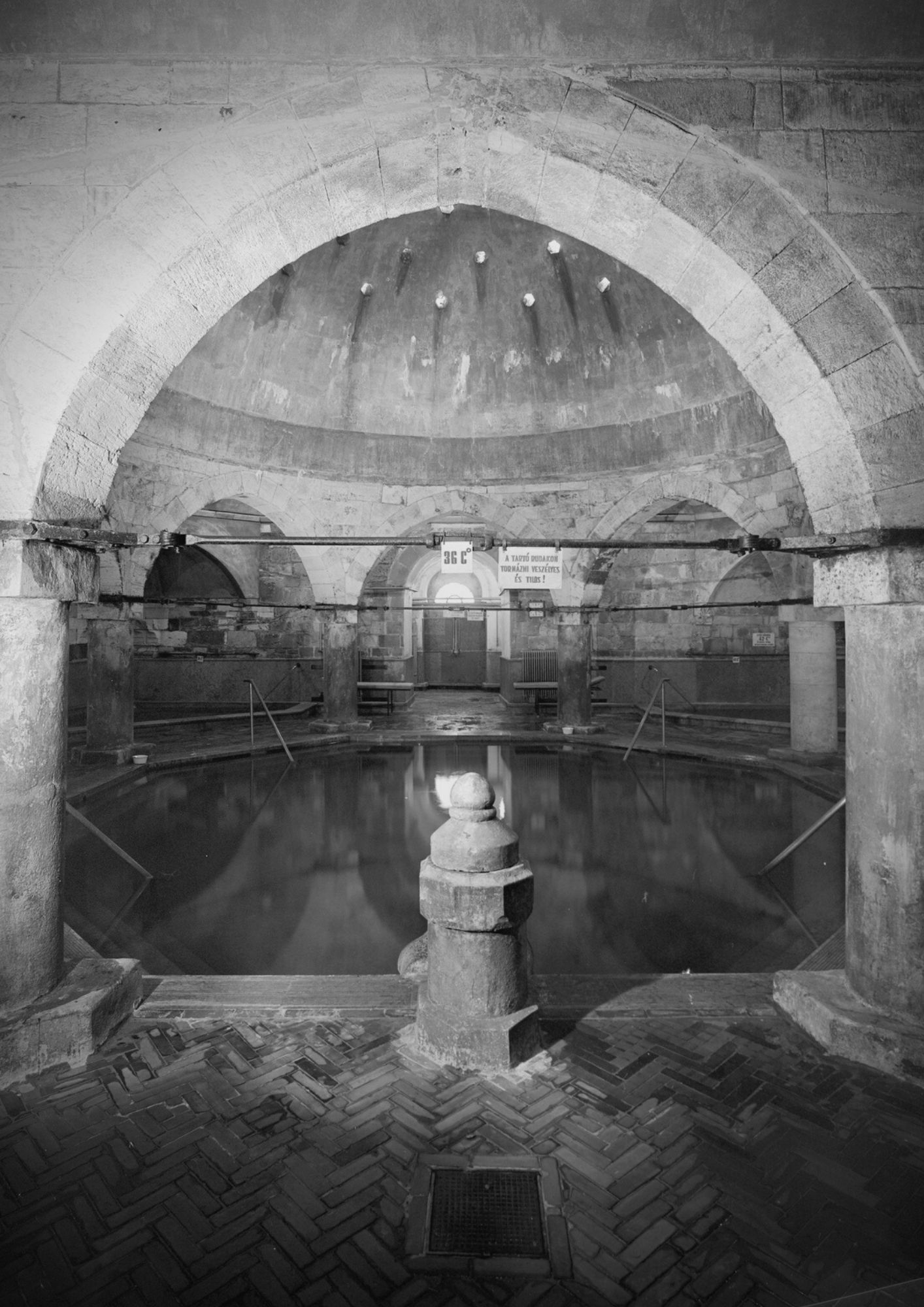
Certain baths in the capital, such as the Rudas Bath on the hilly Buda side which earned quite a reputation, were also commonly frequented by LGBTQ+ people, especially gay men. On designated days of the week, Rudas only welcomed single men and gay couples. Swimwear was not required, guests only wore tiny aprons around their waist which gave an easy way to lustful thoughts. It was not a rare sight to see couples openly engaging in sexual intercourse in the middle of the Turkish bath. Apron days had been regulated only a couple of years ago after numerous petitions and open scandals.