Subscribe to our social channels to get the latest news about Hungary!


The euro Hungarian forint exchange rate plays a crucial role in shaping economic decisions for Hungary, the Eurozone, and global investors. As Hungary continues to maintain its national currency, the forint (HUF), alongside its EU membership, understanding the dynamics behind this exchange rate is essential. This article explores the key factors influencing the euro to Hungarian forint exchange rate, recent trends, and why it matters to a wide range of stakeholders in 2025.
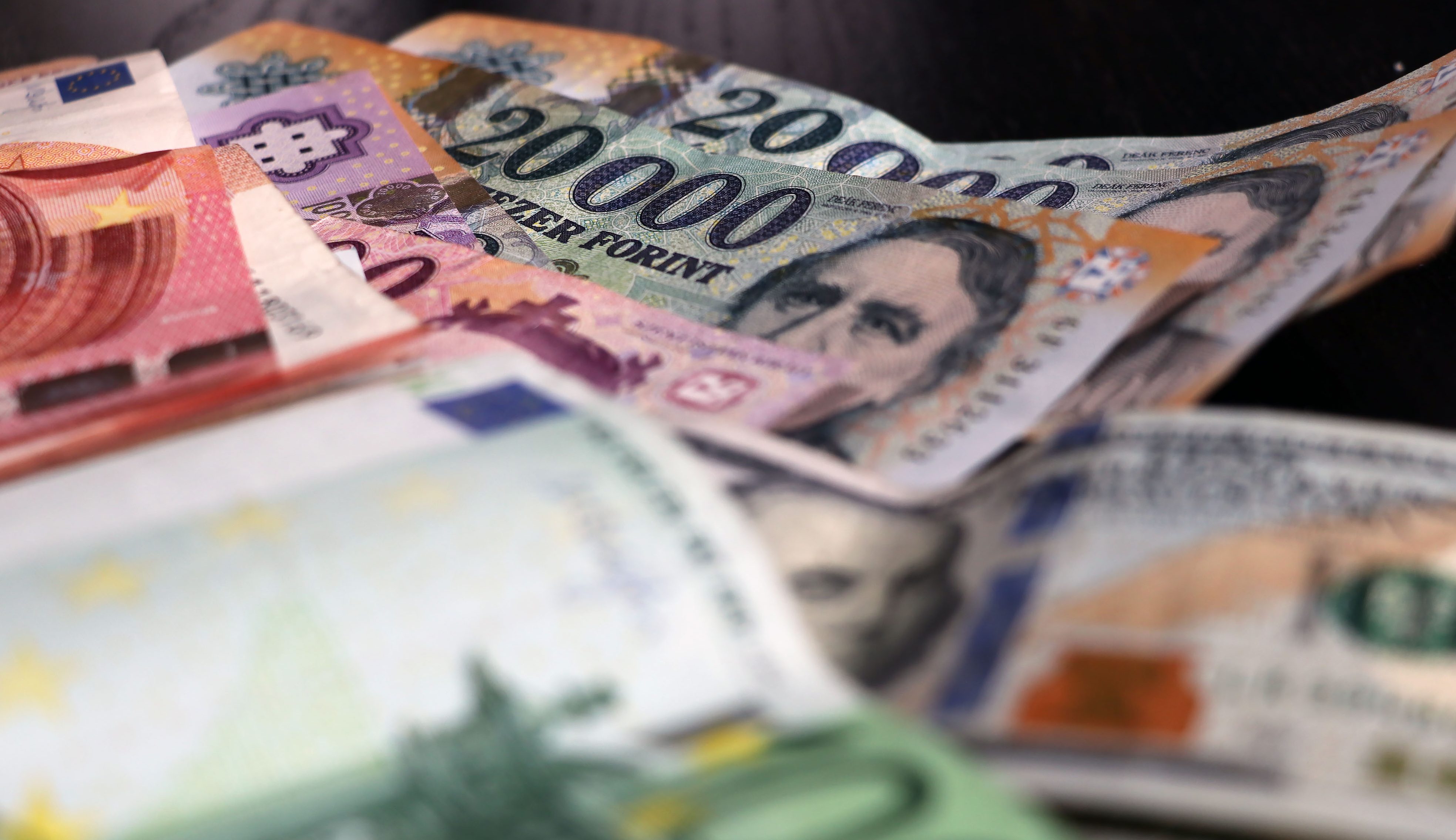
The euro Hungarian forint exchange rate expresses how much one euro (EUR) is worth in Hungarian forints. This value fluctuates daily based on supply and demand in the currency markets, reflecting economic conditions, monetary policies, and geopolitical events that impact Hungary and the Eurozone.
Because Hungary has not yet adopted the euro, this exchange rate is vital for cross-border trade, investment, and travel. Movements in the EUR/HUF rate directly influence the cost of imported goods, export competitiveness, and even inflation levels in Hungary.
Several important factors drive changes in the euro Hungarian forint exchange rate:
Decisions made by the European Central Bank (ECB) and the Hungarian National Bank (MNB) about interest rates and money supply significantly affect the EUR/HUF rate. For instance, if the MNB raises interest rates to combat inflation while the ECB keeps rates steady, the forint may strengthen against the euro as investors seek higher returns in Hungary.
Strong economic growth, controlled inflation, and positive trade balances tend to support the forint. Conversely, economic challenges such as slowing GDP growth or rising inflation can weaken the forint. Since Hungary’s economy is closely linked to the Eurozone through exports, economic trends in both regions are important.
Political developments—both domestic and international—can create uncertainty that impacts currency markets. Stable governance and favorable EU relations typically strengthen the forint, while tensions or instability can drive it lower against the euro.
Investor appetite for risk has a powerful influence on emerging market currencies like the Hungarian forint. During global economic uncertainty or crises, investors often favor “safe haven” currencies such as the euro, causing the forint to depreciate against the euro.
Throughout 2025, the euro Hungarian forint exchange rate has experienced periods of volatility, reflecting shifts in monetary policies and economic fundamentals. The Hungarian National Bank has engaged in measured tightening to control inflation, while the ECB’s responses to Eurozone inflation and growth prospects have occasionally diverged from Hungary’s approach.
Geopolitical factors, including energy supply dynamics in Central Europe and ongoing EU regulatory discussions, have also contributed to fluctuations. Despite these pressures, Hungary’s strong export sector and inflows of foreign direct investment have provided underlying support to the forint.
The euro Hungarian forint exchange rate influences a broad spectrum of individuals and organizations:
With the proliferation of digital platforms, tracking the euro Hungarian forint exchange rate is simple and accessible. Real-time exchange rate data, expert analysis, and forecasts from financial news websites and apps can help businesses and individuals make informed decisions.
Read also – Latest update and accurate forecasts for August 2025: Euro Hungarian forint exchange rate


