


Budapest unveils major metro and suburban railway development

Change language:
The modernisation of Budapest’s suburban rail network has entered a decisive new phase, as the Ministry of Construction and Transport issues a public procurement notice for the redevelopment of the H8 and H9 suburban rail (HÉV) lines. The ambitious project, published in the European Union’s Official Journal, envisages the complete overhaul of the HÉV lines and the creation of a direct link with the M2 metro line via a new railway bridge at Örs vezér tere.
The project will be carried out under a public procurement notice published in the European Union’s Official Journal. Planning will cover track renewal, bridgeworks, parking facilities and supporting infrastructure. The objective is to establish a more efficient, convenient and environmentally sustainable transit system that better serves the eastern suburbs of the capital.
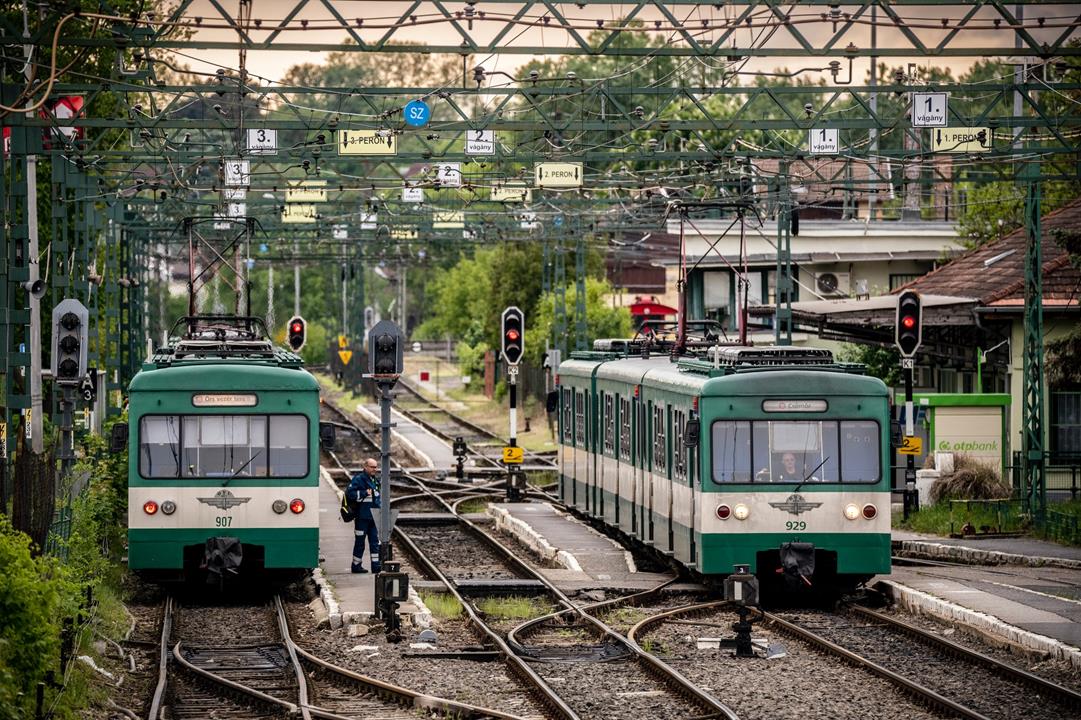
New connection between HÉV and M2 metro lines
The scheme foresees the reconstruction of 27 kilometres of track on the H8 and H9 lines, alongside the electrification of a two-kilometre diesel-operated section of the Csömör branch—ushering in cleaner and more modern travel options.
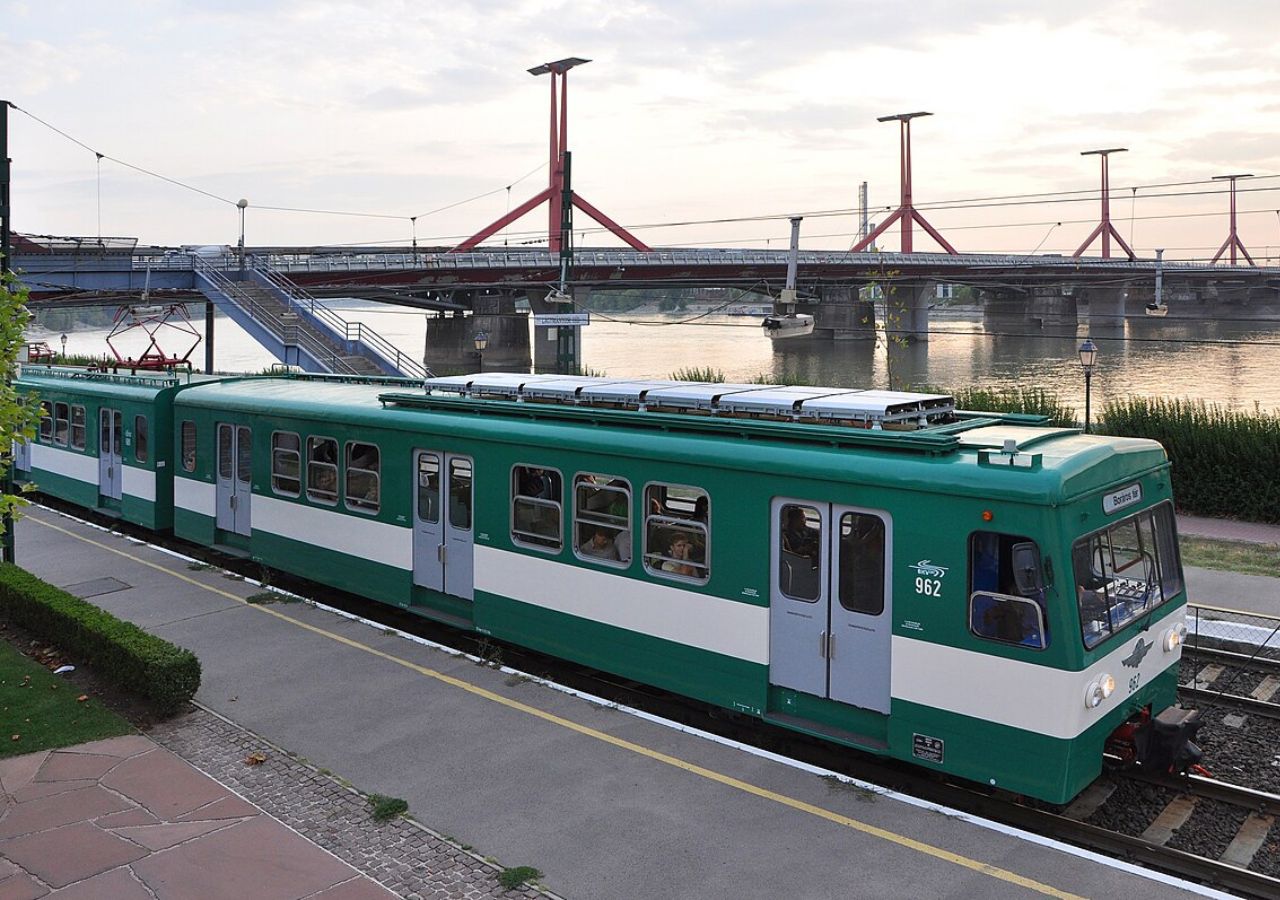
Image: Kemény Máté / Wikimedia Commons
Plans also include linking the Gödöllő and Csömör lines. Such a connection would not only simplify operations but also enable more flexible scheduling and a smoother suburban service. Several technical solutions are under review, with the most advantageous to be selected during the design stage.
Good timing half a year before the election…. The shiny hope for the future that costs them nothing now. Considering the state of the wider HEV network, this should have been tendered and completed in the last 15 years, instead of allowing the HEV to waste away to the level of a third world country’s commuter train service (without any exaggeration, in fact it’s in the lower half of third world standards).
Mass transit is never profitable so should not attract such enormous investment. Taxpayers’ money must be spent on matters that benefit those taxpayers the most. Shiny public transportation hubs, replacing perfectly functioning existing ones, ain’t it.
What an American answer. If you don’t think that public money should be used to fund public transport you’re living in the wrong country, one with a legacy of offering reliable and affordable public transport for all. Public investment (of which a very high proportion in this case would be funded by the EU) benefits everyone, if someone chooses not to use it because they prefer to drive, that’s their decision and they’re free to fritter away their cash while sitting in traffic.
Upgrades are one thing, basic maintenance is another and the latter has been sorely lacking in the case of the HEV for decades now. A few more years of this and it’ll no longer be capable of offering any sort of service, much less one that’s bright and modern.