Did a Hungarian King inspire the legend of Sir Lancelot?

Change language:
Could the tales of a Hungarian king have inspired one of the world’s most famous knights? The legend of Saint Ladislaus has lived on for centuries, and some researchers suggest his heroic legacy may have even influenced the Knights of the Round Table.
The Hungarian king who captivated Westerners’ imagination
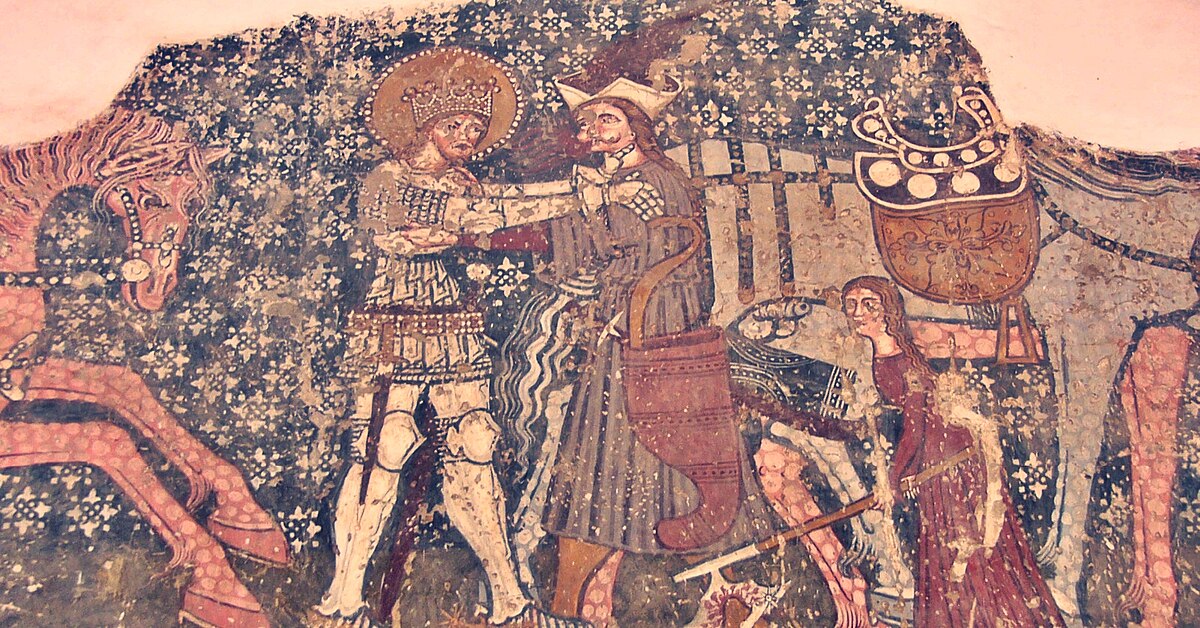
Saint Ladislaus ruled at the end of the 11th century and became a legend in his own time. His heroic feats—defeating a marauding Cuman warrior, engaging in duels, defending the faith, and protecting the kingdom’s borders—became a core part of Hungarian national identity for generations to come.
These stories may have had influence far beyond Hungary. In an interview with Telex, historian Stephen Pow explained that several historical clues suggest it might not be mere coincidence that motifs in Saint Ladislaus’s legends closely resemble the tales of one of the world’s greatest knightly figures: Sir Lancelot.
The ties between the Hungarian and French courts
Knightly culture flourished across Europe in the 12th century. King Béla III of Hungary married a French princess, bringing his court into close contact with French aristocracy. It was during this vibrant cultural exchange that the legendary Knights of the Round Table tales began to be written—most notably by Chrétien de Troyes, who chronicled Lancelot’s adventures. According to Pow’s research, the growing ties between the courts likely exposed French writers to Hungarian legends—especially those celebrating the protection of women and the defense of Christianity—which may have served as inspiration for French literary tradition.
Ladislaus and Lancelot
Historian Stephen Pow believes that even the very name Lancelot could be etymologically derived from Ladislaus (László). But the connections run deeper than nomenclature: both heroes feature prominently in duels beneath trees, fighting to rescue women. Core themes in both legends include bravery, sacrifice, and the defense of women and the innocent—traits not yet common in knightly storytelling at that time.
In the legends of Ladislaus, the king defeats enemies with near-superhuman strength, much like how Lancelot serves King Arthur with extraordinary courage and loyalty. Ladislaus is often depicted riding a white horse—an image that appears frequently in Lancelot’s stories, where the white horse symbolizes purity, justice, and loyalty to the king. Some analyses even suggest the ceremonial oaths of knighthood in both traditions share striking similarities.