


3 ways to master the art of traditional Hungarian Easter egg painting – PHOTOS

Change language:
Easter is undoubtedly one of the most important Christian holidays in Hungary. There are many customs and traditions connected to this time of the year. These include going to church, preparing Easter dishes (such as ham and braided sweet bread), and painting Easter eggs.
The tradition of egg painting
The plethora of customs and traditions surrounding Easter highlight the cultural richness of Hungary. Easter egg painting may sound odd to some. Why would anyone paint eggs for Easter? This tradition is closely related to another Hungarian Easter tradition; Easter sprinkling (locsolás). Back in the day, young men departed on a quest on Easter Monday to pour water on girls (friends, family members, and even strangers) in the town.
In exchange, the young men were awarded eggs decorated with astonishing traditional motives. Back then, young men could use the eggs later for cooking or other purposes. Later, this tradition changed and women started to paint eggs for decorative purposes mainly. Thus, two holes on each end of the egg were formed with a knife and the middle was blown out using a straw.
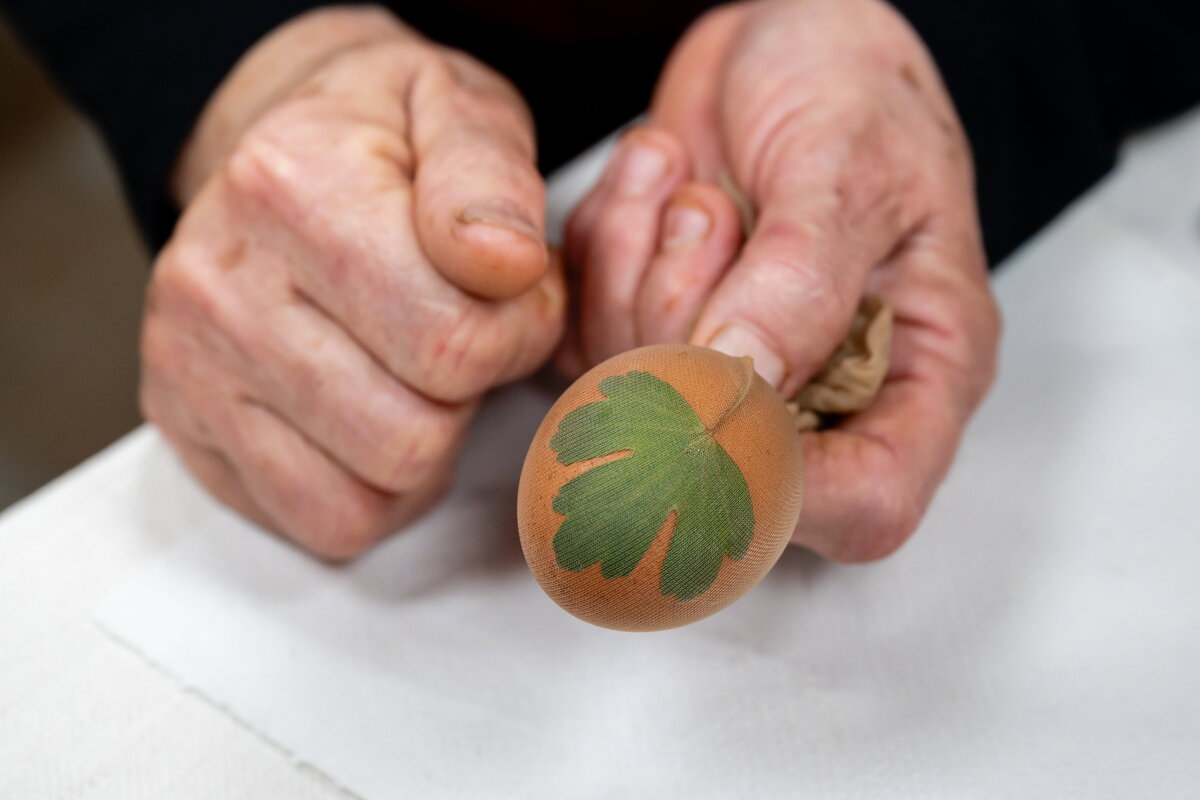
Nowadays, buying artificial dye to paint eggs is popular, but you can do it naturally using vegetable peelings. In addition, egg painting was much more than just painting the egg. Here are some traditional techniques that you can use to decorate your Easter eggs.

Waxed eggs
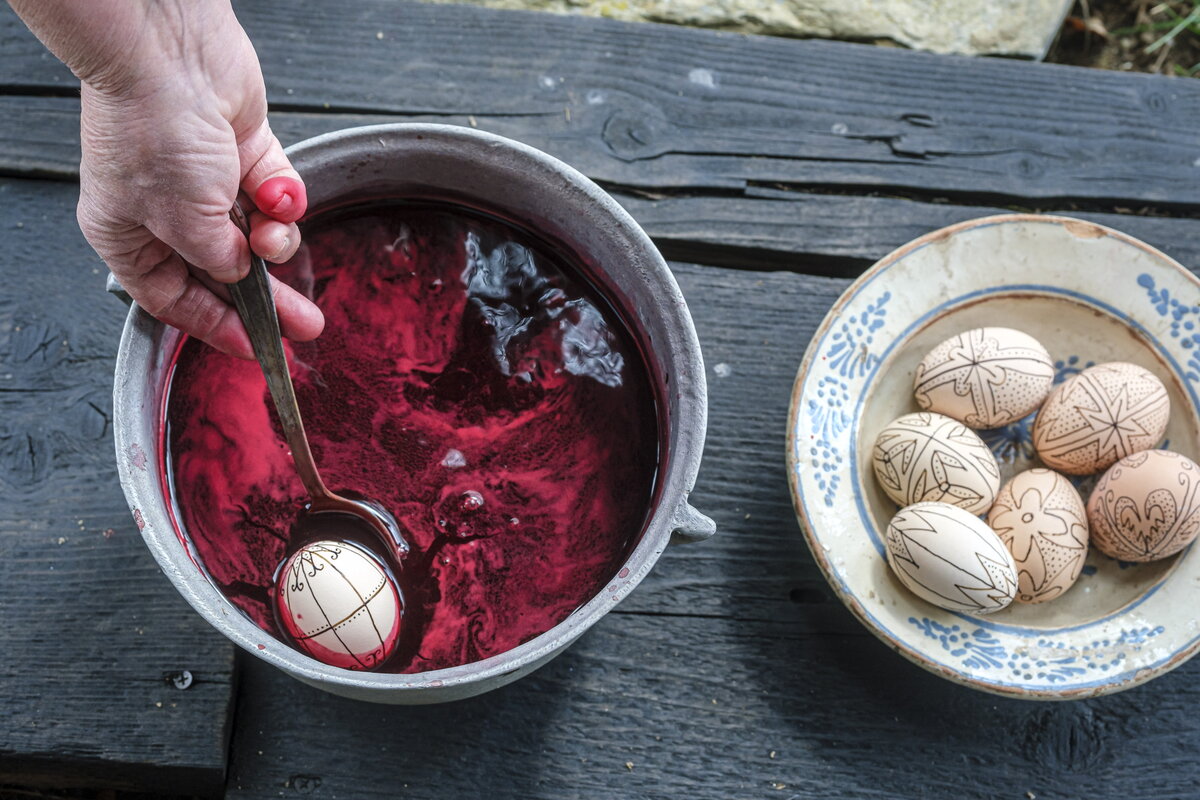
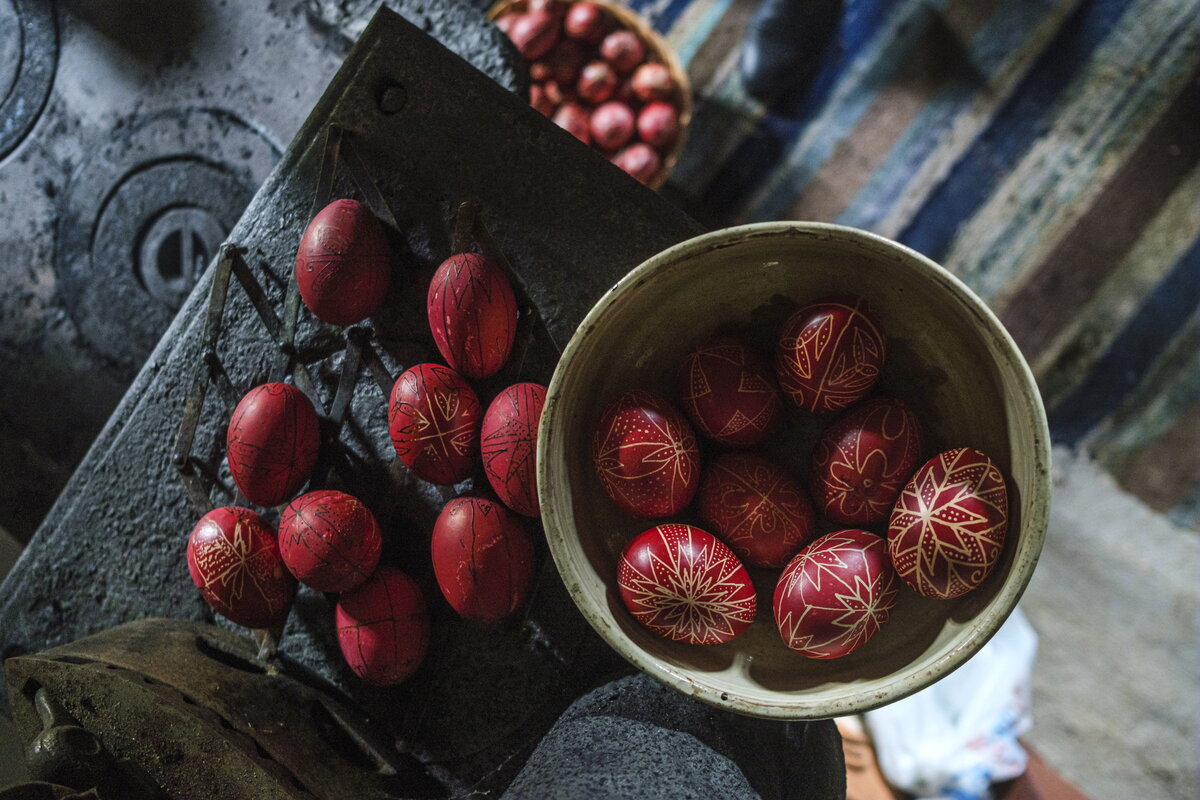
Waxed eggs or wax resist eggs (írott tojás) are one of the most popular egg painting techniques. This process involves using a traditional tool to create dividing circles and motifs on the egg. With a writing wheel, wax is applied to the egg to form the decoration before it is immersed in the lukewarm dye until the desired colour is achieved. After drying, the wax is melted off, revealing the pattern beneath, and the eggs are glazed with bacon rind or grease for a finished look.
Exquisite*Easter*Eggs!
🙂
~*💖*Joy*Filled*Blessed*Easter*Everyone*💖*~