The symbolic meaning of the Heroes’ Square in Budapest – PHOTOS

Change language:
In the first half of the 20th century, many statues and sculptures were erected in several symbolic squares of Budapest. At first glance, they seem to be easy to understand, but in reality, their message or the meaning behind them is much more profound. The Heroes’ Square is one of these places, having a significant meaning that formed Hungarian identity.
Sculptures and monuments of public places were born in different historical situations under differing circumstances. If we take a look at the symbolism they represent, we can find sacral and profane meanings. In a very short period, many massive sculptures and groups of sculptures were set up in the most iconic and emblematic squares of the capital. Some of them have an easily understandable meaning, while others act as complex emblems representing a specific moment of Hungarian history. Today, we will take a look at probably the most well-known and most popular square of the capital, the Heroes’ Square.

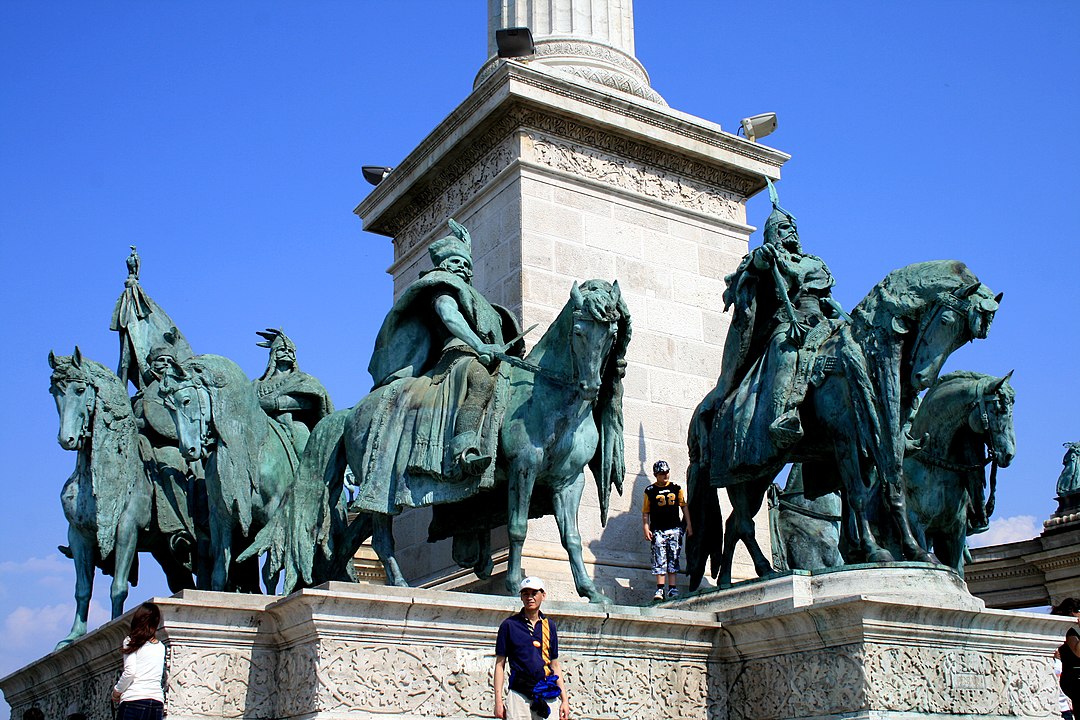
Let’s start with the very centre of the place. The high corinthian column standing in the middle is crowned by archangel Gabriel’s statue, holding the Holy Crown in his hand. The relatively big creation was introduced in 1900 by György Zala at the Paris Exposition (Exposition Universelle) and instantly was rewarded with a gold medal by the jury – writes pestbuda.hu.
In one hand, archangel Gabriel holds up towards the sky the Holy Crown representing the Hungarian State’s 1000-year-old history, while in his other hand he rests the Patriarchal cross, the universal religious symbol of Christianity.
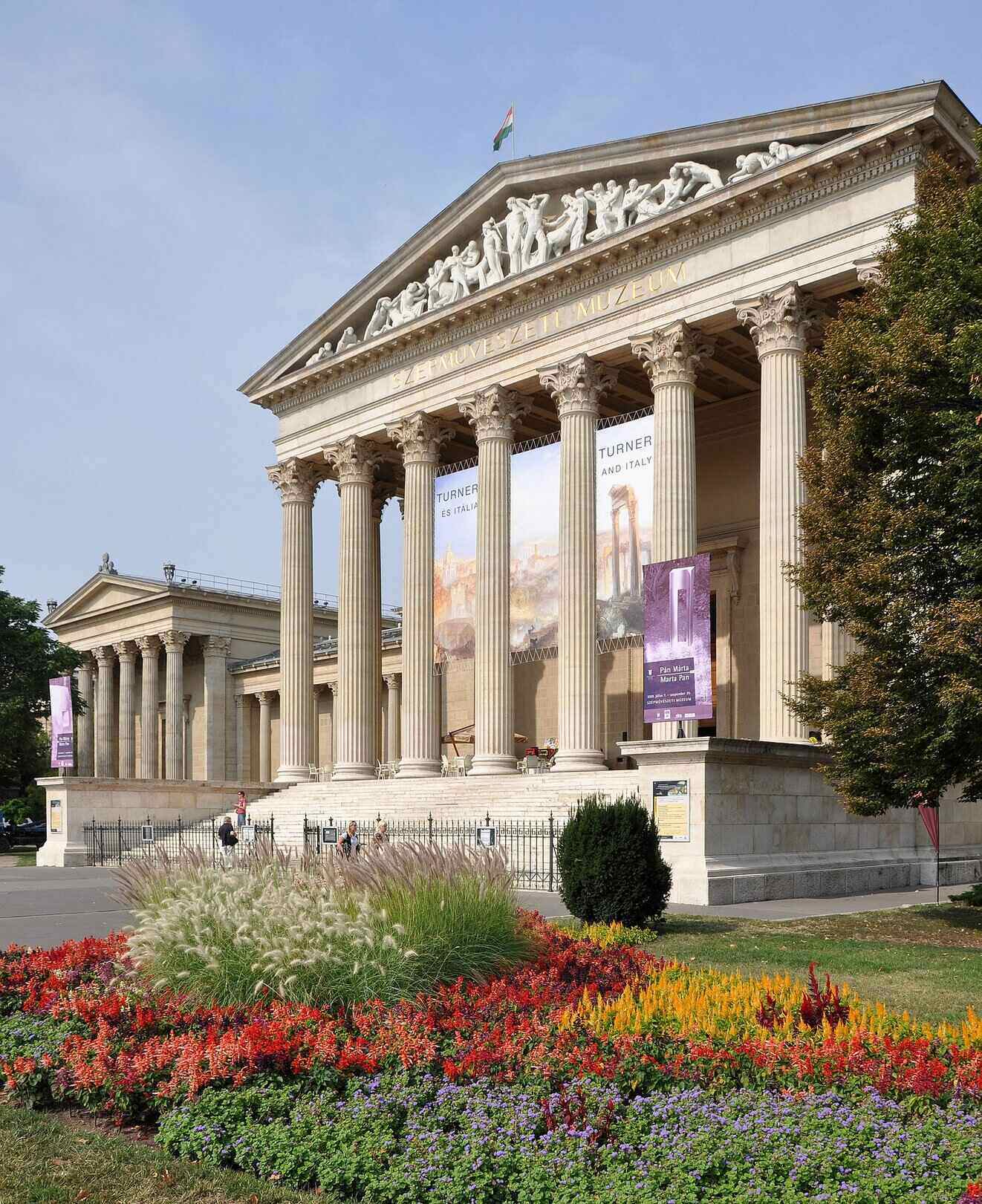
When Zala presented his exquisite creation, he was already working on other sculptures that would later end up giving further grandeur, in my opinion, to the most superior square of Budapest. The Millennium Monument, of which archangel Gabriel is practically the centrepiece, has become the pool of different symbols. The Corinthian column is surrounded by a high pedestal and the statues of the Seven Chieftains of the Magyars, on their horses. (The seven chieftains were the leaders of the seven tribes of the Hungarians when they arrived in the Carpathian Basin in the 9th century.) This lower level of the sculpture leads us way back in history to an authentic and realistic world. The Hungarian conquest is not only represented in the art of György Zala but also the monumental paintings of Mihály Munkácsy and Árpád Feszty. Their works, back in the beginning of the 20th century were exhibited in the Museum of Fine Arts standing on one side of the square, as well as in a gazebo built in the City Park.