Subscribe to our social channels to get the latest news about Hungary!


Népliget was once Budapest’s most popular park, but today it stands as a neglected green space. Despite long-standing renovation plans, meaningful progress has yet to begin, and the park’s condition continues to deteriorate.
When people think of Budapest’s public parks, the recently renovated City Park usually comes to mind first. With its green spaces, museums, cultural institutions, and regular events, it has become one of the capital’s most attractive destinations. Yet there is another, even larger park that has seen far better days: Népliget.
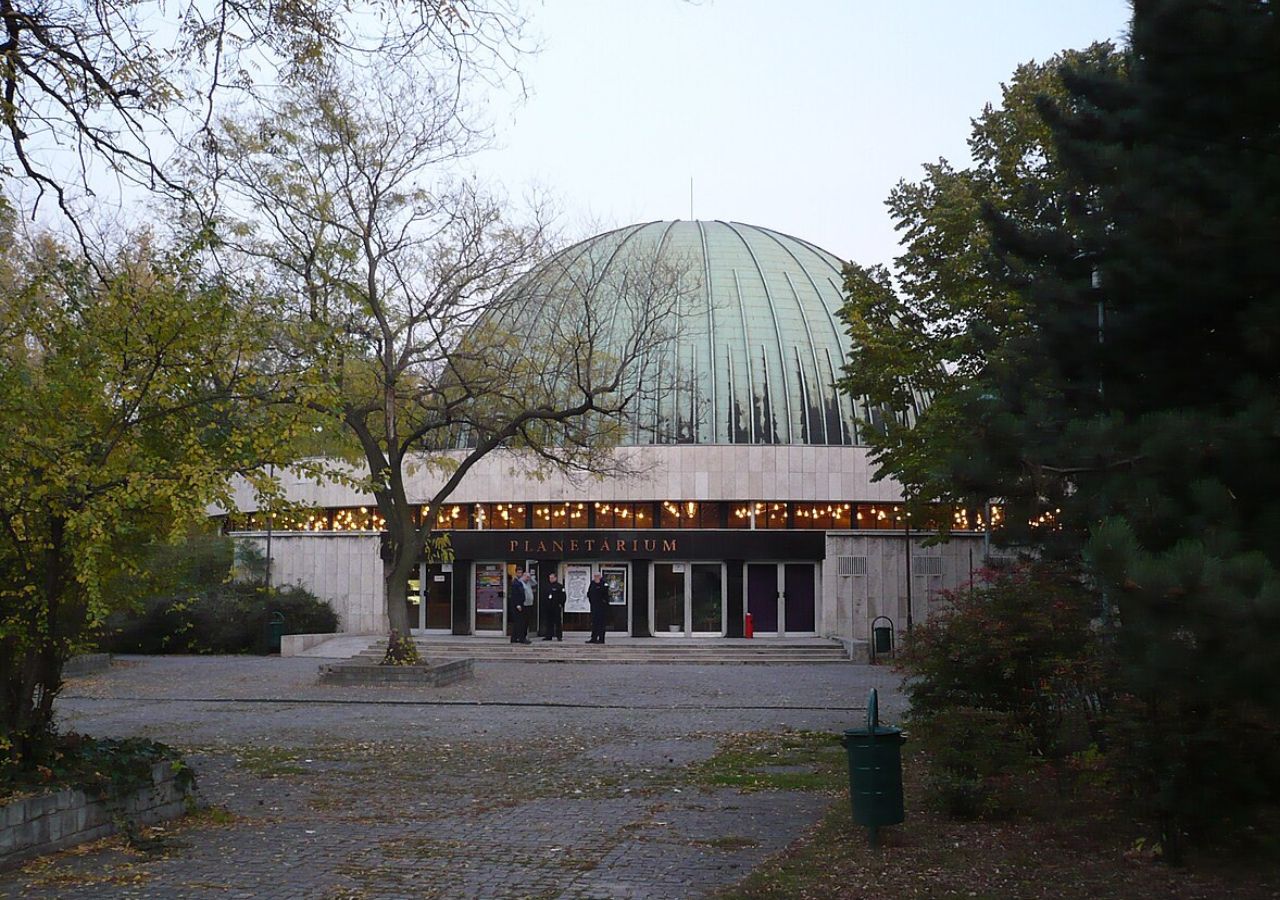
Opened in the late 19th century and covering more than 110 hectares, Népliget was once regarded as one of the city’s premier recreational areas. The park hosted the 1936 Hungarian Grand Prix, once featured an amusement park and puppet theatre, and was home to the much-loved Planetarium.
In recent decades, however, Népliget has steadily lost its appeal. Once-thriving community spaces have closed down, facilities have either deteriorated or become outdated, and maintenance efforts have fallen away.
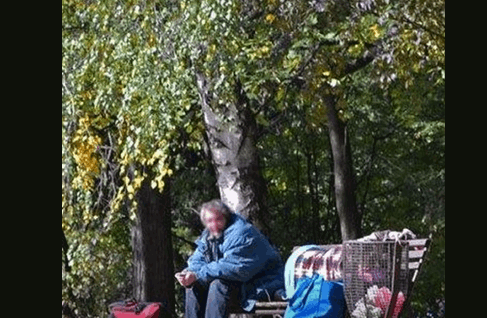
The consequences of this neglect are now painfully evident. Visitors are often confronted with piles of rubbish, abandoned clothing, and vast, unused areas. The park also carries a poor reputation, with many citing concerns about public safety and pointing to the presence of homeless people, drug users, and prostitution. As a result, the city’s largest park has all but disappeared from the daily lives of Budapest residents.
According to a report by ATV, the comprehensive renovation of Népliget has been on the city’s agenda for several years. A long-term strategic plan was approved by Budapest’s leadership in 2021, outlining the objectives and tasks of reconstruction. Preparatory work began in 2022, including a historical landscape analysis and a landscape architecture design competition, which led to the creation of a spatial masterplan by 2023.
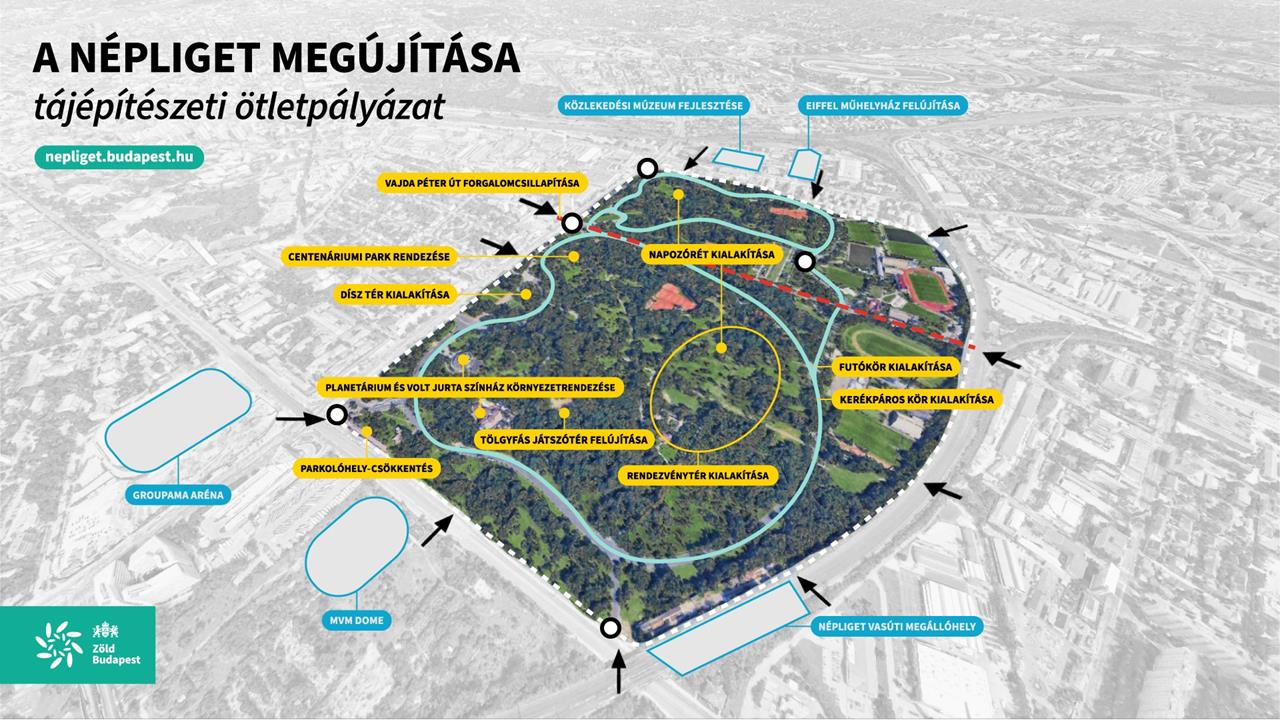
The renovation of Népliget is one of the flagship projects of the Radó Dezső Plan, which aims to expand green space, reduce paved surfaces, introduce climate-friendly ecological improvements, enhance accessibility and connectivity, and ease traffic flow.
In December 2024, the Budapest General Assembly approved Mayor Gergely Karácsony’s development plan and required him to report on its progress. The deadline for this report has been set for the end of 2028.
Népliget’s condition has long been a subject of political debate. Representatives of the governing party argue that the city has been too slow in carrying out renovations and has not given sufficient attention to safety. They advocate an increased police presence, improved lighting, and surveillance cameras. Some have even proposed fencing off the entire park in order to make the area more orderly and secure.
The city, however, maintains that the renovation process is already in motion. Architect Dávid Smiló explained in an interview with ATV that the next step will be the launch of a new design competition and that, if everything goes according to plan, construction could begin within two to three years. However, he also cautioned that the real challenge lies in securing the substantial financial resources required for such a large-scale project.
While funding has usually been available for preparatory documentation, full-scale construction will demand far greater investment and effort. Restoring the park would be a massive undertaking, and the city’s budget is already stretched across numerous other infrastructure projects.
Although the park’s tree population remains in a salvageable condition, the wider area is neglected and seldom visited by locals. Shaded walkways and green fields now serve more as deserted, underutilised spaces—silent testimony to years of missed maintenance.
If renovations finally take shape, these green areas could once again regain their popularity, and Népliget might reclaim its place as one of Budapest’s most attractive public parks. But if the plans remain shelved, Népliget risks continuing as one of the capital’s greatest untapped assets.
Featured image: Wikimedia Commons
Read also:
Click for more news concerning Budapest.
To read or share this article in Hungarian, click here: Helló Magyar


I mean, why waste taxpayers’ money on rehabilitating a beautiful park for said taxpayers to enjoy, when you can instead blow it on bicycle tracks that stand empty, “pride” demonstrations, and “culture” days, all for those who do not actually pay any taxes!?!?
All those things you mentioned come under culture, yes, parks and green spaces are essential but so are the other things.
Why not have them all?
You forgot about the other issues mentioned, the homeless, the prostitues and the drug addicts?
No little girl or boy dreams of growing up to be a homless, drug addicted prostitue, whatever you think about these people they are still people and we have failed them as a society.
Oh and Pride isn’t a demonstration but a celebration, in a perfect world there wouldn’t be a need for Pride events as acceptance would be the norm and society would embrace that we are not all the same.