Subscribe to our social channels to get the latest news about Hungary!


Previously we have reported about a Hungarian invention to fight ticks and a cane that is equipped with an electronic sensor, now we will present you three other medical inventions from Hungarian geniuses (based on szeretlekmagyarorszag.hu’s article).
Medicine and technology are walking hand-in-hand, with numerous technological inventions helping doctors and patients as well. Hungarians are quite at the front in medical technology: lately, a mobile app was made to help diabetes patients, a credit card-sized pocket EKG and an online appointment making app were invented.
Diabetes affects over 400 million people in the world, with 700 thousand known Hungarian patients, and approximately 500 million others, who do not know of their condition yet. When dealing with diabetes it is crucial to be able to get access to information about one’s condition, and also to keep it under control. The new Hungarian mobile app of the Dcont brand, is designed to help: since almost everyone has a smartphone, they can download the app and enter their blood-sugar levels, carbohydrate intakes, while it also serves as an insulin therapy journal, immediately and automatically via a Bluetooth connection between the Dcont app and a smart glucose meter, NEMERE. Dcont was developed by the Hungarian-owned 77 Elektronika Kft, which has been focusing on improving, developing and manufacturing glucose meters in the past 30 years.
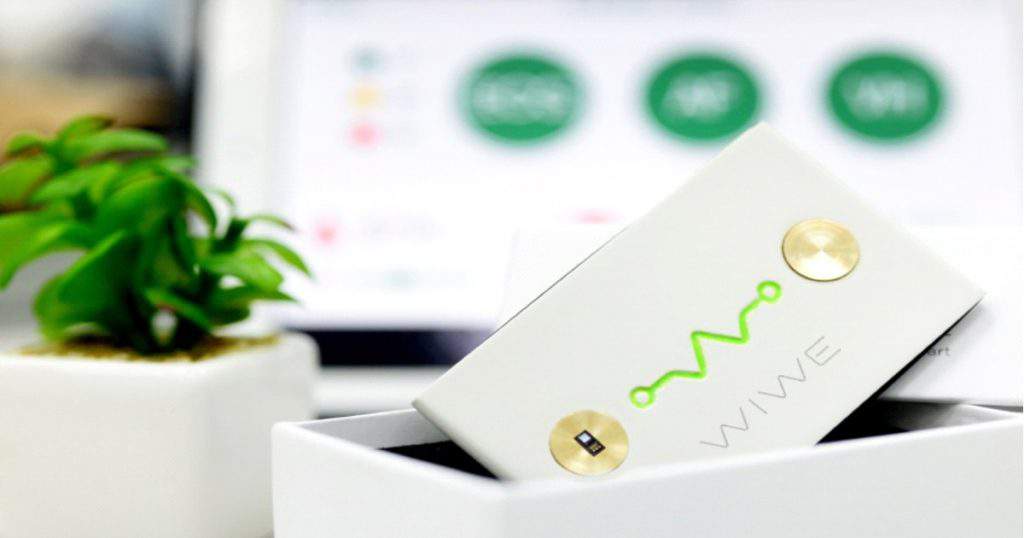
photo: dcont.huHeart problems and diseases cause most of the deaths in the world, especially in Hungary. These diseases must be kept under control, this can be done by going to regular medical check-ups and keeping a close watch of your heart rate even at home. WIWE is designed to make this easier for patients. Developed by Sanatmetal, the small device, not bigger than a credit card, is linked to a mobile app, with which you can check your heart rate and blood oxygen levels on several occasions a day. The data can be sent via e-mail to your doctor, thus the risks of strokes or sudden cardiac arrests are reduced.
According to a survey, Hungarians prefer private clinics to public ones, and 15% of them go to regular check-ups. Making an appointment can be done now online, via Foglaljorvost.hu, and more and more patients are relying on this comfortable and easy method: there are already 50 thousand registered users. 1200 Hungarian private doctors are registered in the database, representing 90 specialities. Users can comment on doctors, share their experiences, thus picking the best choice is made easier for someone who is not quite sure who to turn to.
There are other Hungarian inventions, like Hand in Scan, which is meant to revolutionise hand sanitising in hospitals, already being used on three continents, or Laborom, an app which you can easily download your lab results with.
Ce: bm
Source: szeretlekmagyarorszag.hu


