Subscribe to our social channels to get the latest news about Hungary!


Hungary’s national castle program has entered a new phase as the government transfers ownership of several historic estates — including the Festetics Castle in Dég — to large corporations and municipalities. While aimed at preserving cultural heritage and ensuring sustainable use, the plan has sparked political controversy.
As reported by Telex, under the government’s revamped castle program, multiple historic properties are being handed over to major companies or local governments. Among them is the Festetics Castle in Dég, which may soon come under the ownership of 4iG Nyrt.

The decision was made by János Lázár, Minister of Construction and Transportation, who is authorised under the so-called “castle law” to approve the free transfer of state-owned heritage assets. The initiative serves two main goals: to broaden public access to national heritage and to shift the financial burden of maintenance to private entities. 4iG plans to conserve the building, maintain its museum functions, and use it as a venue for events.
It’s not just the Dég estate changing hands. Other historic landmarks are also being reassigned: the Károlyi Castle in Füzérradvány is set to go to Révész Logistics Holding; the Széchenyi Castle in Sopronhorpács to PBE Építő Kft.; the Komlódtótfalu manor to the county-level government; and the Esterházy Castle in Tata to Viarum Invest Kft.
These companies are widely perceived to be close to the government, prompting political criticism. Opponents argue the transfers lack transparency and competition, although supporters frame the moves as taking on public burdens, not receiving rewards.
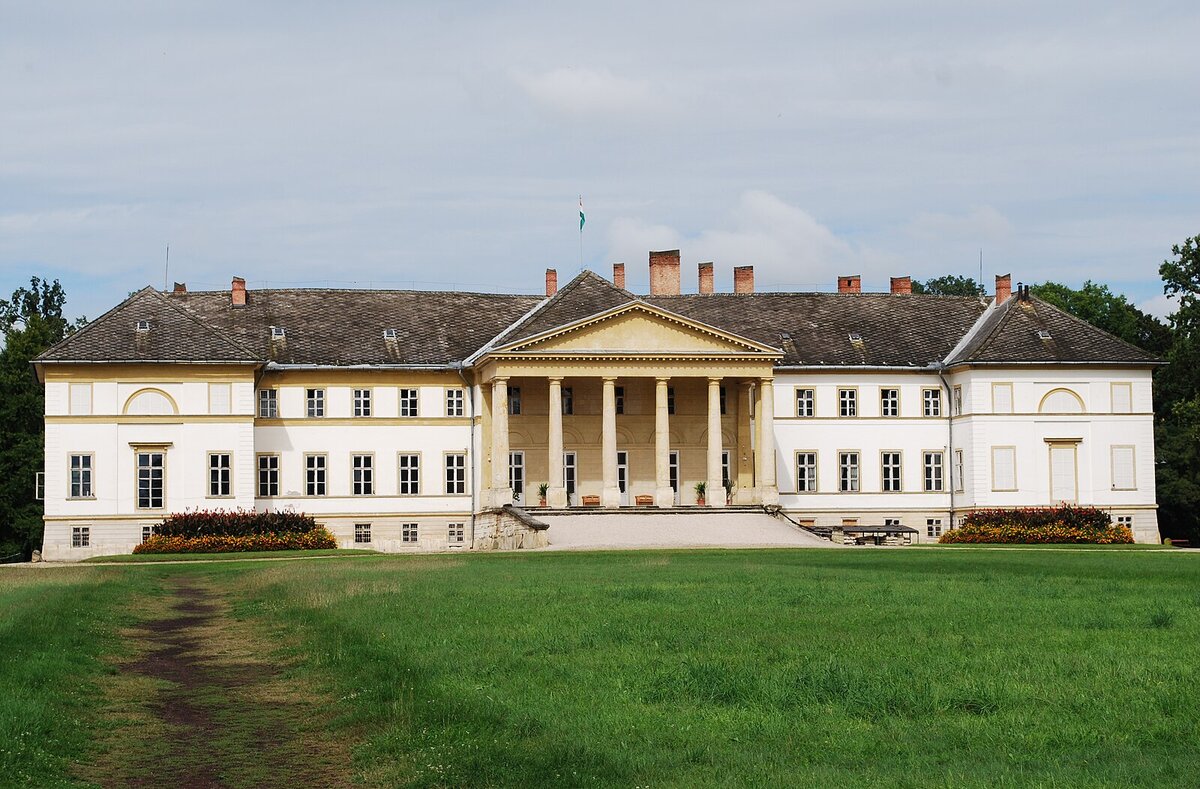
The castle law is based on the British heritage management model, where historical buildings are administered by families or foundations and serve tourism and cultural functions. In Hungary, approximately 30–35 castles fall under this scheme.
Many have already undergone partial restoration or are being refurbished, but the state does not wish to continue funding them with taxpayer money in the long term. In exchange for rehabilitation and maintaining public access—such as open parks and museums—companies are allowed to use the properties for commercial and event-related purposes. If the obligations are not fulfilled, the castle can revert back to state ownership.
The future of the program remains uncertain. While several estates—including those in Nádasdladány and Bajna—have already found new “adoptive owners,” the selection process for other properties is still underway. Applications are managed by the Ministry of Construction and Transportation, while final ownership transitions are overseen by the Hungarian National Asset Management Inc. Though the official goal is preservation and sustainable use, public opinion and opposition voices continue to question whether the initiative truly serves the public good—or merely benefits a privileged few.
Read more castle-related news on Daily News Hungary.
Read also:
To read or share this article in Hungarian, click here: Helló Magyar


