Subscribe to our social channels to get the latest news about Hungary!


The 23rd of October is Hungary’s National Holiday, commemorating both the 1956 Revolution and the 1989 proclamation of the Hungarian Republic. The 1956 Revolution is one of the most significant events in 20th-century Hungarian history, as the Hungarian people rose against the Stalinist dictatorship and Soviet occupation. This day is a public holiday, marked by numerous events and activities held across the country.
The commemoration of the 23rd of October holds great significance for the Hungarian people, with many regions offering a variety of programmes for visitors. In this article, we provide an overview of what to expect on this day, based on a list compiled by Travelo.hu.
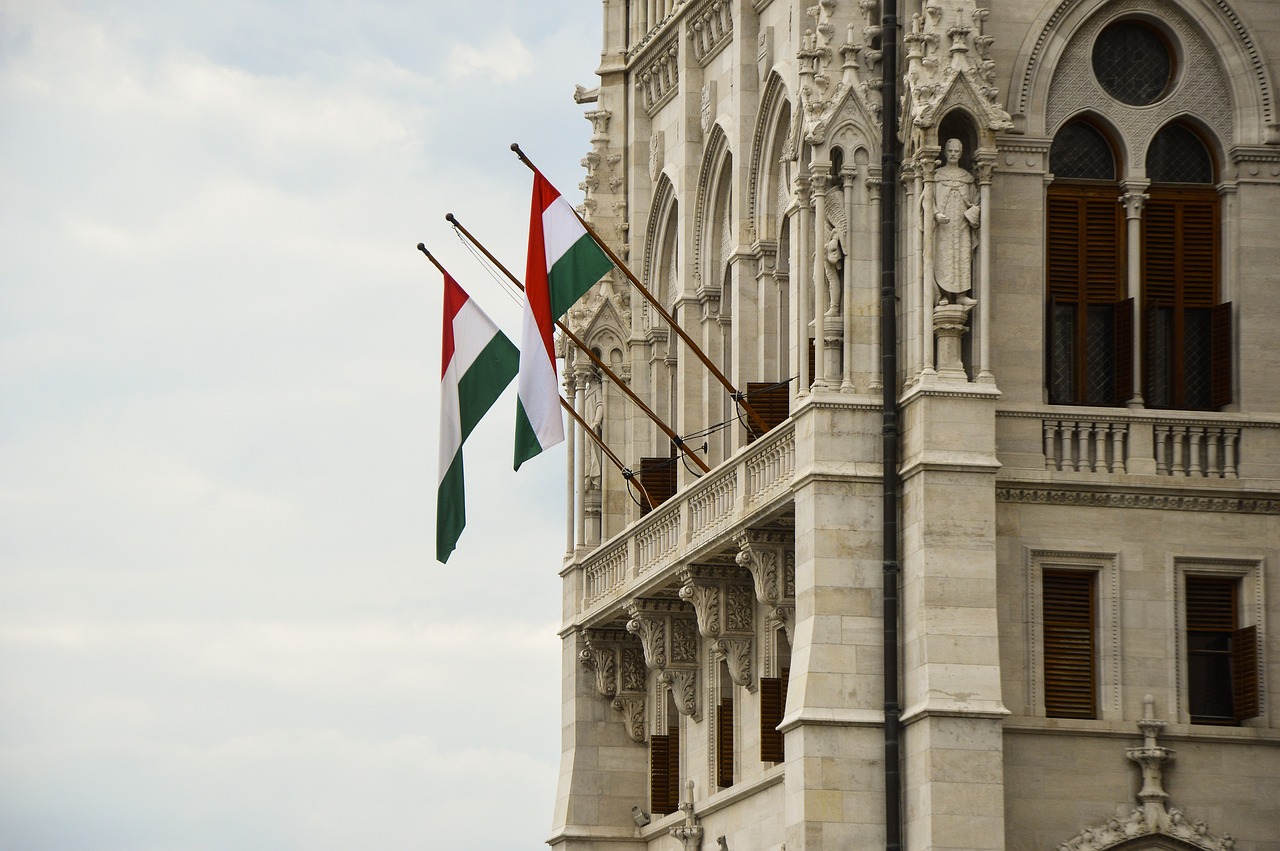
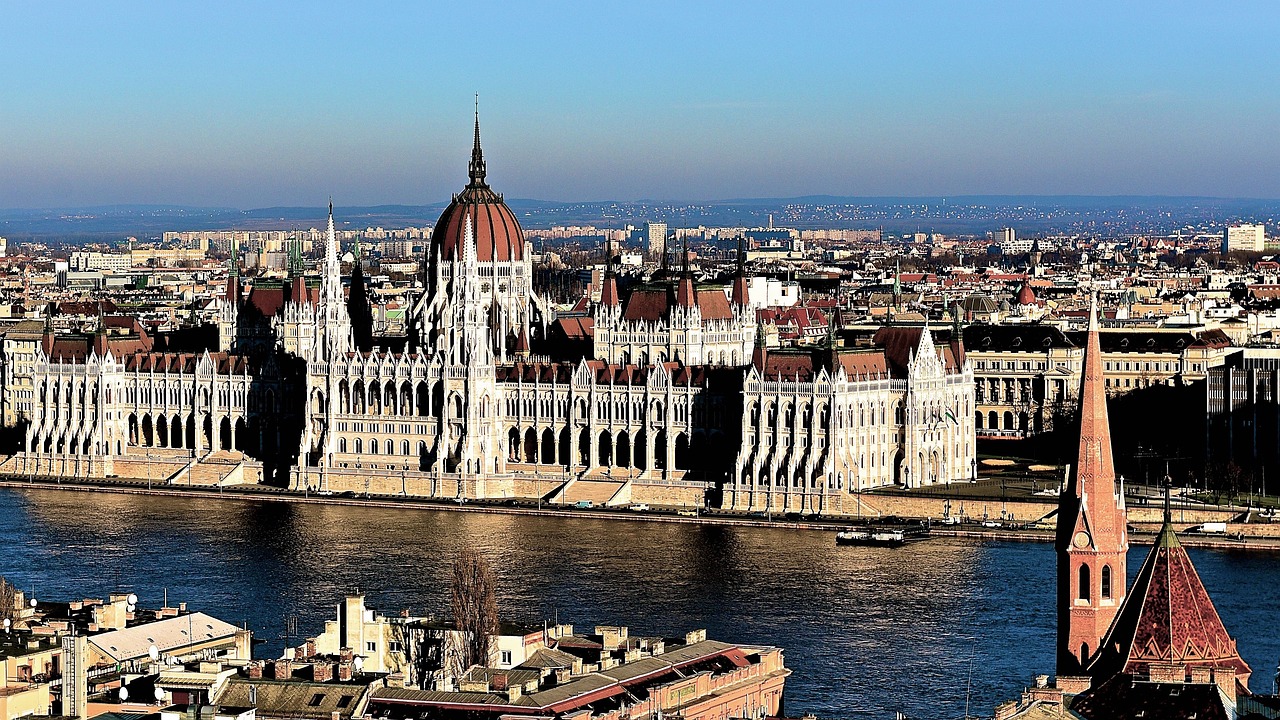
In Budapest, the 23rd of October commemorations traditionally begin at the Parliament, where the Holy Crown is displayed free of charge. The programme then continues at the Hungarian Radio building, featuring speeches, a wreath-laying ceremony, and a torch-lit procession. Additionally, a 1956-themed film marathon will take place at the Corvin Cinema, showcasing films that revisit the events of the 1956 Revolution.
On 23rd October, the day starts with a flag-raising ceremony at 9 a.m. in Kossuth Square, followed by free entry to both the Parliament and the House of Terror Museum throughout the day. At 11 a.m., Prime Minister Viktor Orbán will deliver a speech at the open-air stage in Millenáris Park to commemorate the 1956 Revolution. According to Origo, special guests will include members of the recent flood defence teams and their families, with the event open to all without prior registration.
At the Szentendre Open-Air Ethnographic Museum, the countryside’s role in the 1956 Revolution is highlighted through the programme, The Revolution of the Countryside. Museum theatre performances and thematic guided tours will depict daily life in the 1950s and the challenging aftermath of the revolution. This is an excellent opportunity for visitors to immerse themselves in the atmosphere of the period and better understand the lives of the revolutionaries.
In Szekszárd, a commemoration and wreath-laying ceremony will be held in Szent István Square, accompanied by cultural programmes and concerts. Performances by local artists will enhance the celebrations, and all events are free to attend. It promises to be a cost-effective yet meaningful way to enjoy the day, with entertainment for the whole family.
In Keszthely on the 23rd of October, the 1956 Revolution is honoured with a full-day event at Fenékpuszta Manor. Visitors of all ages can enjoy horse-drawn carriage rides, craft activities, and children’s entertainment. The free programmes provide a relaxing and cultural experience for all.
Meanwhile, in Hévíz on the 23rd of October, speeches and commemorations will be accompanied by family-friendly entertainment. Both children and adults can take part in a day full of activities, including games and creative workshops for kids. Hévíz is an ideal destination for families looking to spend the day together.
The national holiday on the 23rd of October is not only about honouring history; it also provides a wonderful opportunity for families to spend quality time together through a variety of activities. With events taking place in both Budapest and the countryside, there is something for everyone to enjoy.
Read also:


