Foreign invasive plant poses ecological threat to Hungary’s waterways

Change language:
An aggressively spreading aquatic plant native to North and Central America is causing serious problems in Hungary’s freshwater ecosystems.
Invasive plant species spreading across Hungary
Over the past decades, the encroachment of non-native plant species on Hungary’s natural habitats has become increasingly common. These invasive species reproduce rapidly, outcompeting native flora and fauna and causing significant ecological and economic damage. In some cases, newly introduced species have overwhelmed lakes and rivers almost overnight, proving nearly impossible to eradicate.
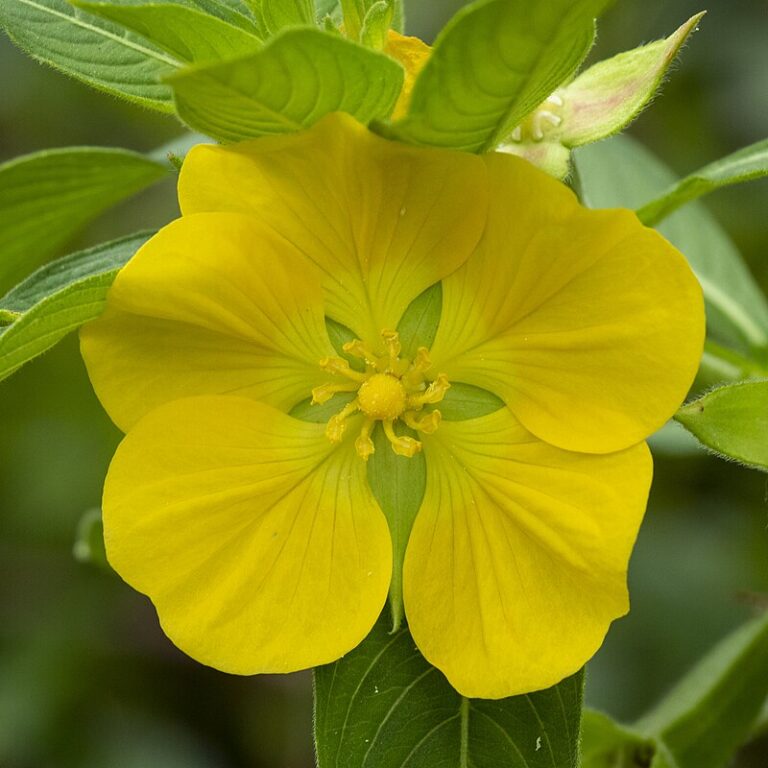
In recent days, biologist and ecologist Dr. Gusztáv Jakab sounded the alarm on his Facebook page about a recently spreading invasive plant, the large-flowered water primrose.
Ecological disaster along the Körös rivers
The water primrose is native to parts of South and Central America—such as Costa Rica and Cuba—as well as the southeastern United States. Originally imported into Europe as a decorative pond plant, the species has since begun spreading rapidly in Hungary’s natural waters. It forms dense green mats on the water’s surface, posing a severe threat to indigenous aquatic vegetation and the entire freshwater ecosystem.
“Its spread is so extensive that we can now speak without exaggeration of an ecological catastrophe,” warned Dr. Gusztáv Jakab.
An area along the Körös rivers near the town of Békés had been known for its rich and diverse aquatic vegetation for decades. Dense beds of aquatic and shoreline plants characterized the landscape, preserving remnants of ancient habitats. But in recent years, the ecosystem has undergone dramatic changes. Invasive non-native species—chief among them the large-flowered water primrose—have fundamentally altered the region’s natural balance.
“I’ve known the area for over 25 years and have spent considerable time photographing it. It was once covered by a species-rich, fairy veil-and-water chestnut plant community, echoing memories of the old Kis-Sárrét wetlands. But this rich ecosystem has been entirely destroyed in just a few years. The fairy veil, water chestnut, and bladderwort have vanished—at least I haven’t seen any trace of them, even though they used to be abundant. The environmental damage, if quantified monetarily, would amount to billions. It’s heartbreaking to think how stunning this region was twenty years ago,” the biologist said of the changes.