


The great British train robbery: How a 15-man gang stole £2.6 million in 1963

Change language:
On the night of 8 August 1963, the British Royal Mail train travelling from Glasgow to London never reached its destination. Fifteen armed men in ski masks waited along the tracks in Buckinghamshire and carried out one of the most notorious train robbery in history. Due to its scale, organisation and aftermath, the event is still remembered as the “Great Train Robbery”.
The robbery crew
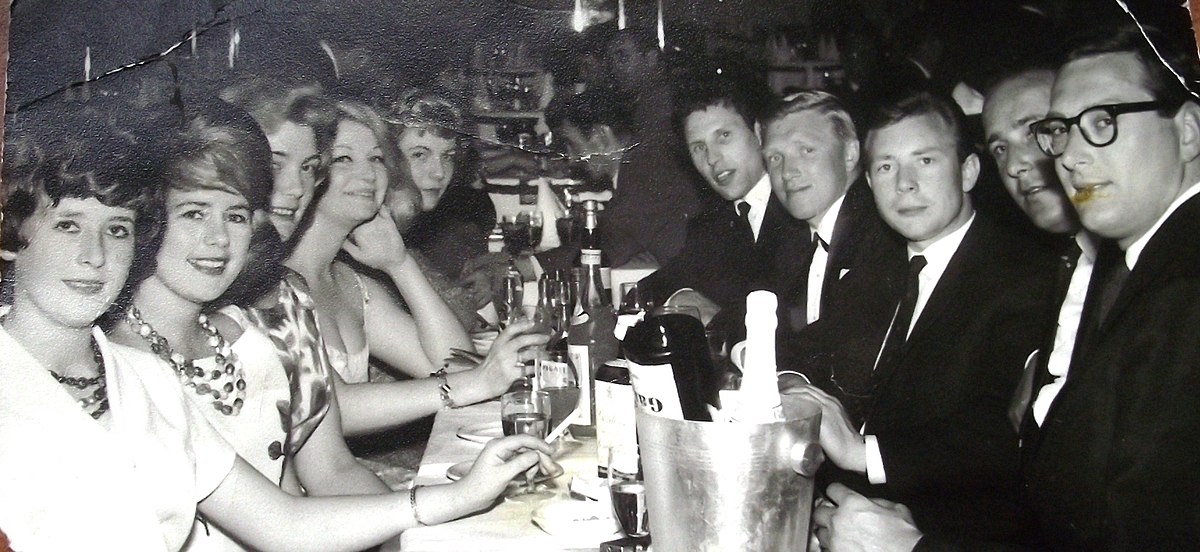
The robbery was orchestrated by a 15-man team led by Bruce Reynolds. Reynolds was already known to the authorities for previous burglaries and armed robberies. The crew wore gloves and ski masks to avoid identification, and an insider—likely someone within the postal service—provided detailed information about which trains were transporting how much money and when.
The target was the Royal Mail train running between Glasgow and London, which often carried millions of pounds in transit between banks and financial institutions.
On the night of 8 August, the train was hauling an unusually large sum—£2.6 million in mostly used banknotes intended for sorting and exchange. Security was shockingly lax: there were no armed guards and no reinforced locks on the carriages, as no one expected a mail train to be the target of such a daring robbery.
How the robbers stopped the Royal Mail train
Armed with insider knowledge, the gang knew exactly when and where to intercept the Royal Mail. They disabled a green signal light and activated a fake red one, forcing the driver to stop on a deserted stretch of track near Bridego Bridge. When the train’s fireman got out to investigate the signal, the robbers grabbed him—unharmed—but things took a darker turn for the driver, who was violently struck and seriously injured.
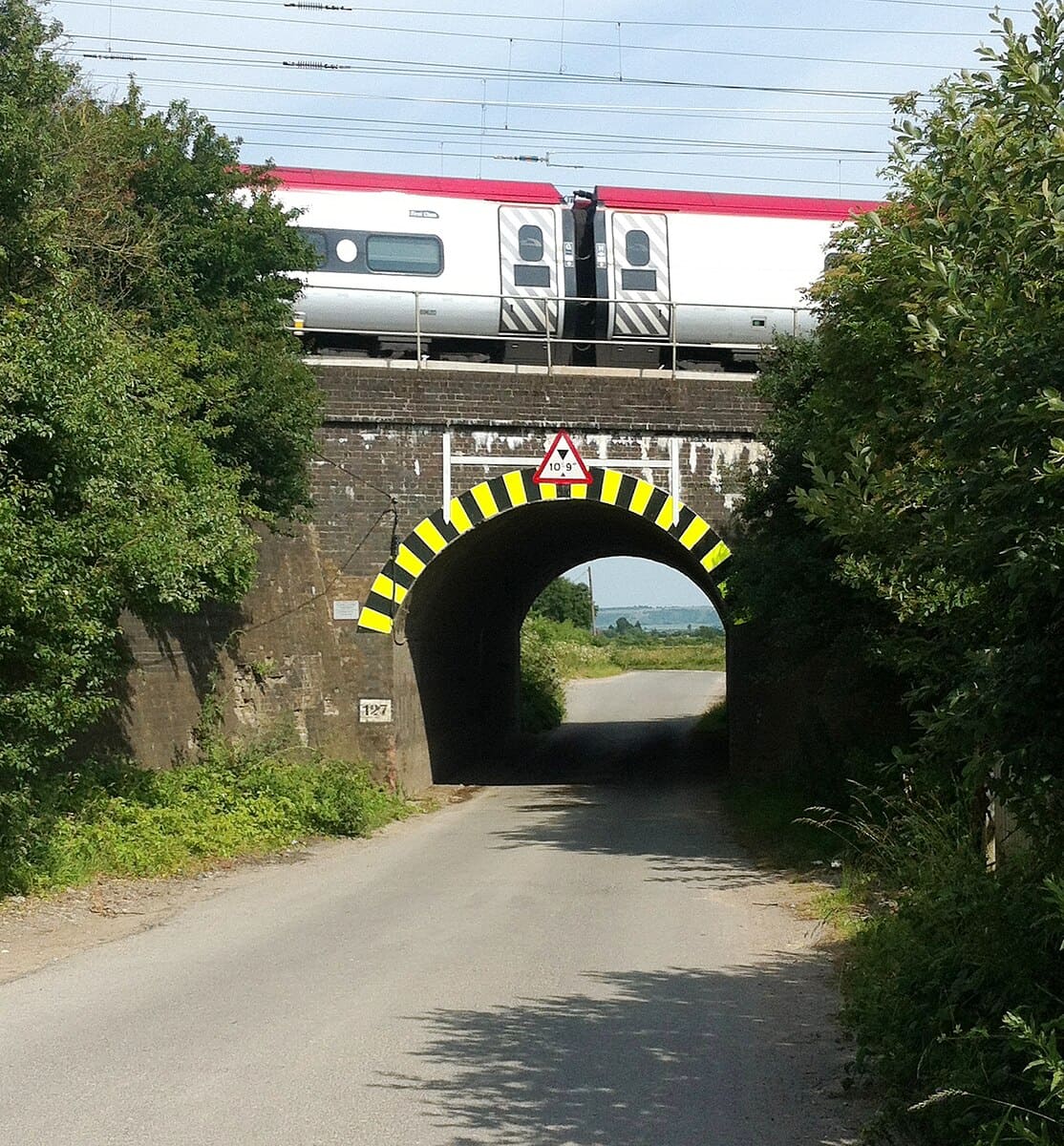
With the conductor incapacitated, Reynolds and his men quickly took control of the train, preventing it from moving or sending for help. According to contemporary reports, there were no armed guards in the cash-carrying carriages. Postal workers handled everything, and safety protocols were far from modern standards.