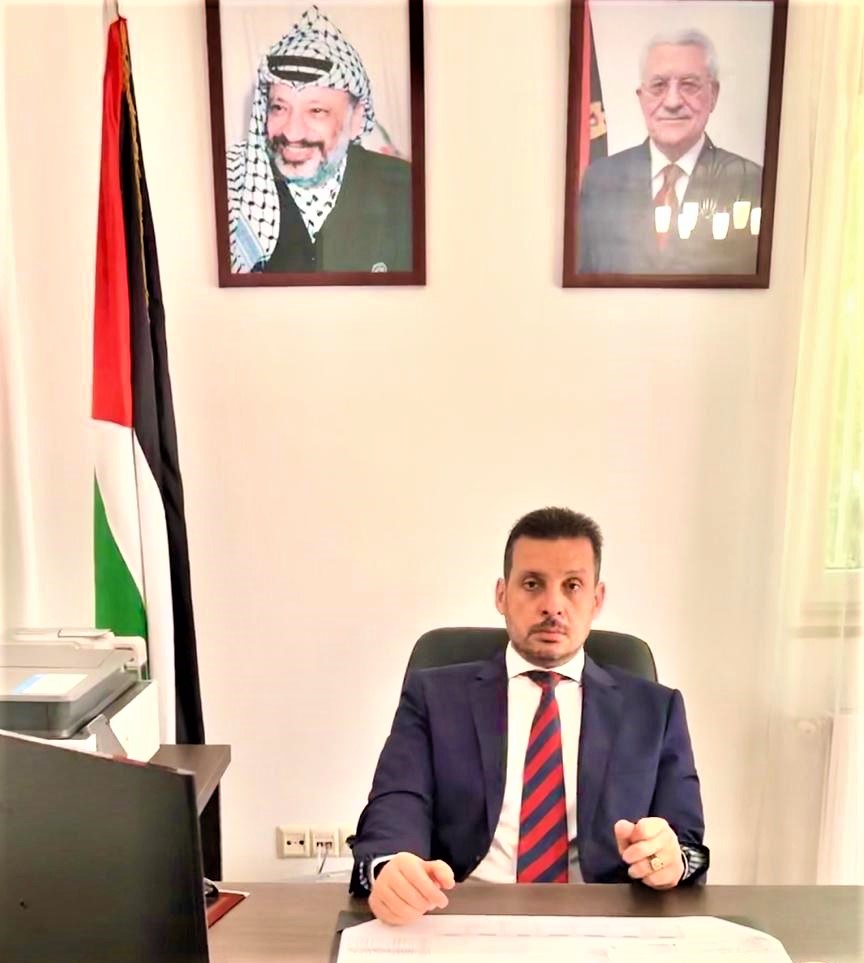
Interview with Palestinian Ambassador Dr Elhusseini on Israel, Hungarian-Palestinian relations and many others

Change language:
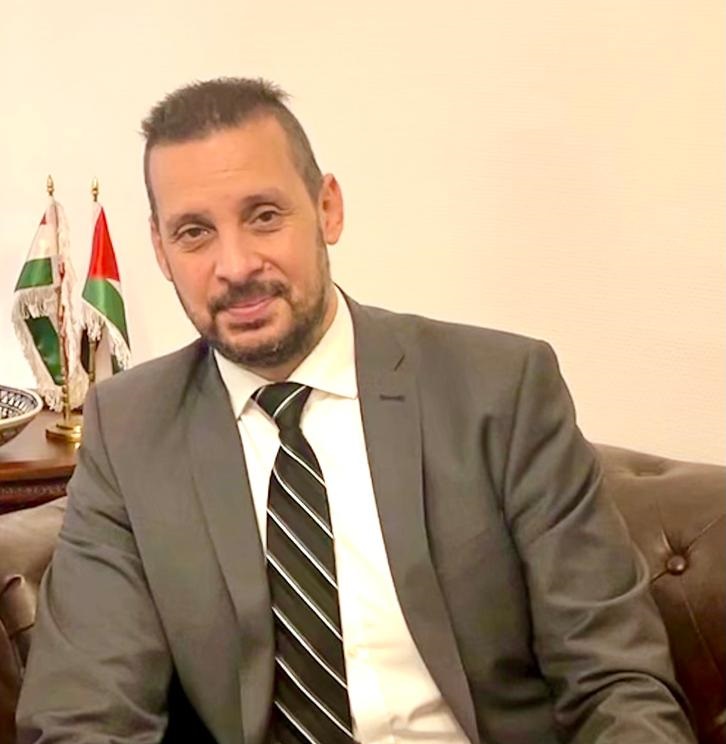
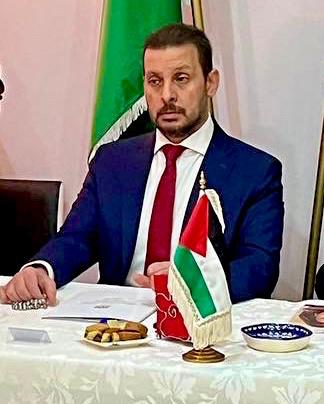
We interviewed His Excellency Ambassador Dr Fadi Elhusseini, head of the Palestinian embassy in Hungary. During the interview he touched on relations with Israel, Hungarian-Palestinian cooperation, tourism, culture and many other interesting topics:
Daily News Hungary (DNH): In what part of Palestine were you born? And what was the most memorable experience you had as a child in relation to the Palestinian-Israeli conflict?
HE Ambassador Dr Fadi Elhusseini: I was born in the city of Gaza. I grew up in a fully occupied city, watching occupation soldiers touring around the city; willing to bully, detain or harass anyone because simply had the weapons. I can recall my most memorable experience from my trip to Egypt (through Rafah Crossing). Since the occupation controls everything, one has to be checked when he leaves or returns to Palestine. Every time you see the soldiers checking your passport and documents, asking personal questions and making you feel uncomfortable or subject to arrest at any moment – these are things I could never erase from memory. Experiencing discrimination to the core; when seeing others – none Palestinians – able to pass, drive or walk when you can’t simply because you are Palestinian is another life-defying experience.
DNH: And how did you become a diplomat? It must have been challenging to grow up and receive a quality education in such a conflict-ridden place.
Ambassador Elhusseini: Challenges are always there when you are under occupation. However, I tried to face all the hardships and acquire an ample amount of education and knowledge to better serve the cause. I finished my BA in Economics & Political Science in Egypt. I obtained my MA in International Commerce Laws and policies from Italy and finished my Ph.D. in International Relations and History from England, not to mention scores of training courses in relevant fields. Believing that I would serve Palestine in the field of diplomacy, I joined, in 1998, what was known back then as the Ministry of Planning and International Cooperation – which acted as the Ministry of Foreign Affairs. Working in different departments, and serving Palestine in different embassies, my diplomatic career evolved further and I had the fortune to serve Palestine here in Hungary.
DNH: You are well aware of the conditions there. Aren’t people, whether Palestinian or Israeli, tired of decades of warfare?
Ambassador Elhusseini: I don’t believe any people on earth would wish to live in such conditions. Palestinians are like any other people in the world; they wish to live peacefully, enjoy their families, celebrate, sing, travel and experience freedom. However, sometimes things are imposed on you and your options become limited. Living under occupation wasn’t an option… seeking freedom eventually is not an option either.
DNH: What do you think would be the three most important points of a possible agreement between the two countries that would result in a much calmer climate?
Well, your question is so much to the point. I will tell you the magical recipe that would not only result in a more stable climate but would also resolve the entire conflict: END ILLEGAL OCCUPATION. The moment Israel realises that ending its occupation is the key element in the whole equation, not only Palestine but the whole region will have a chance for a brighter future. Opportunities for stability and prosperity will not exclude anyone. The rest are just details and repercussions.
DNH: We know very well that the Hungarian and Israeli governments are very close. What about political and business relations between Hungary and Palestine?
Ambassador Elhusseini: On politics, relations have been and will always be good, yet differences in views and assessments can occur. Palestine and Hungary have been always on good terms. Palestine opened an office in Budapest in 1975 and the office enjoyed diplomatic status in 1982. In 1988, Hungary became one of the first nations to recognise Palestine and the office became a fully-fledged embassy. Both nations share a many common values, similar experiences and views on plenty of issues, particularly what relates to occupation, population and expatriates (refugees), family and even attempts to nullify national sovereignty by imposing certain educational conditions. This background explains the Palestinian dismay by certain statements and positions that were neither backed by common values and shared background nor based on international law and UN resolutions. On Business relations, the figures for trade and investments are modest when compared to our rich history and relations. However, we are working ardently to change this unsatisfactory condition and soon the new numbers will be louder than any words.
DNH: Can you mention a few examples of their cultural cooperation?
Ambassador Elhusseini: In the embassy of Palestine, we believe that culture is a universal language. We reckon that introducing our culture and history to Hungarians is a duty and introducing Hungarian culture to Palestinians is a must-learning experience. We work closely with Hungary’s representative office in Palestine to develop cultural cooperation between the two countries, either through agreements or cultural events. In Hungary, we have participated in and organised numerous cultural activities throughout the past two years. We use Social Media platforms as well to introduce our culture, history, traditions and much more. Many events that are aimed at introducing our culture are scheduled in the upcoming period and ads will be posted so everyone can come and get a taste of the Palestinian culture. In addition, Palestine enjoys educational scholarships (Stipendium hungaricum) and every year we have Palestinian students either joining or graduating from Hungarian universities. We are happy that each student returning to Palestine is taking with him or her memories and experience in Hungary. In return, Palestine offers scholarships to Hungary and we do always encourage Hungarians to join. This is how we build more bridges between our people.