Century-long dream to be realised: the Mohács Danube Bridge

Change language:
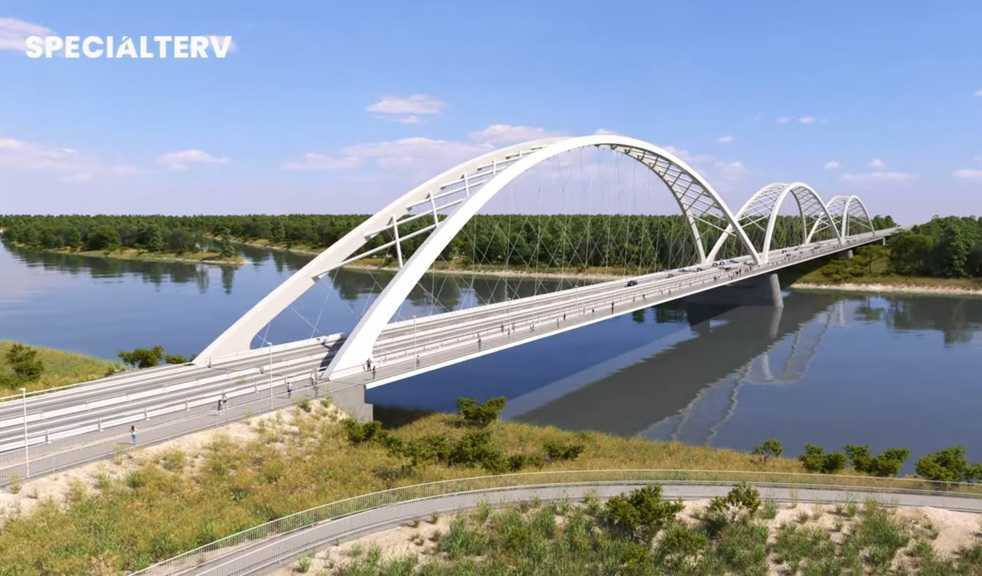
The construction of the Mohács Danube Bridge marks the culmination of more than a century of persistence and lobbying, symbolising the city’s economic and transportation development. Although the need for a permanent crossing was first voiced in the mid-19th century, historical events repeatedly delayed its realisation. Finally, in 2024, the project moved forward under the investment of the Ministry of Construction and Transport, with Duna Aszfalt Ltd. as the contractor—bringing an end to over 120 years of unsuccessful advocacy.
A century-long dream
Mohács’ relationship with the Danube stretches back much further. As early as 1687, a temporary bridge was constructed for the troops of Charles of Lorraine during their campaign against the Ottomans. This bridge played a crucial role in the Battle of Nagyharsány, which resulted in a decisive Ottoman defeat and contributed to the region’s liberation. Later, during the reign of Joseph II, another bridge was built for military purposes, reinforcing Mohács’ long-standing strategic significance, as reported by Magyar Építők.
The economic boom of the 19th century gave new momentum to bridge-building efforts. In 1850, Mohács secured ferry rights, and by 1857, the Pécs-Mohács railway line was completed, further highlighting the need for a fixed crossing. After the drainage of the Mohács Island, fertile lands emerged on the opposite bank, fueling agricultural trade. Although the ferry service was continuous, it often struggled to keep up with increasing demand, particularly during harvest season when congestion became a major issue for farmers and traders. In winter, ice flows frequently brought traffic to a standstill.