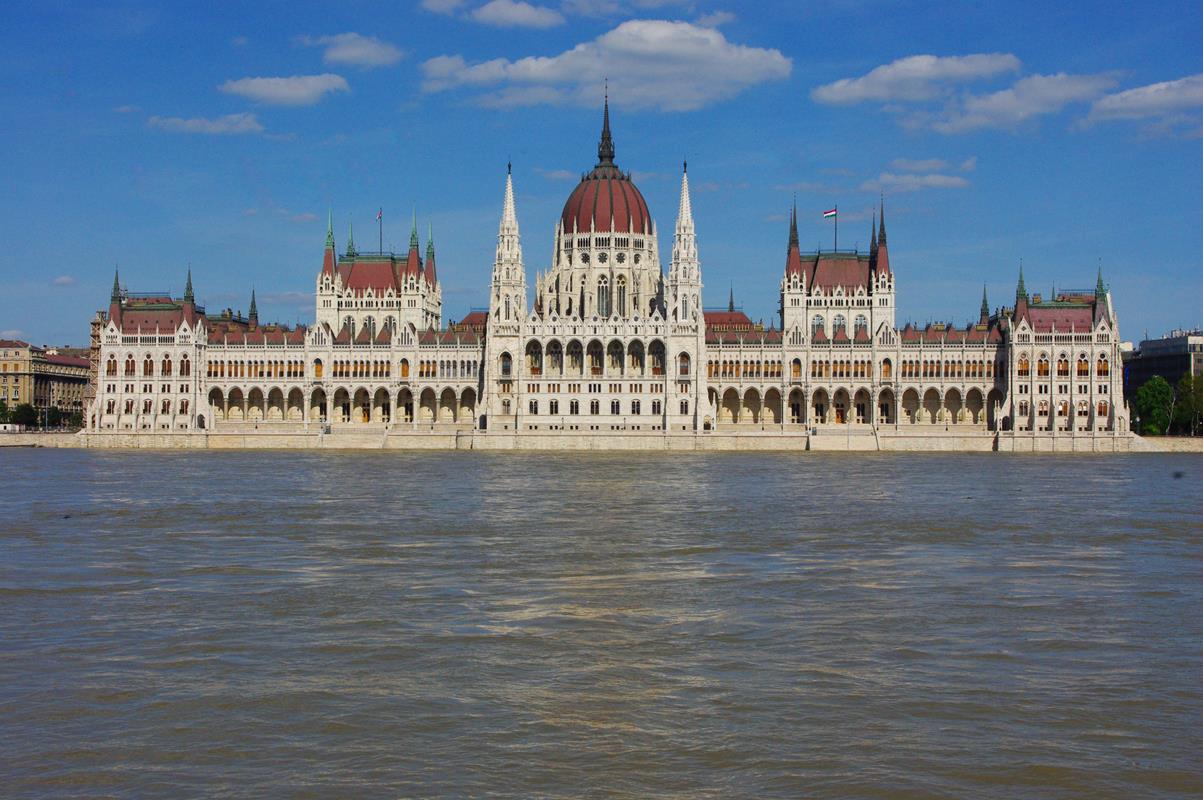
From Pressburg to Pest: The quest for a Hungarian Parliament Building

Change language:
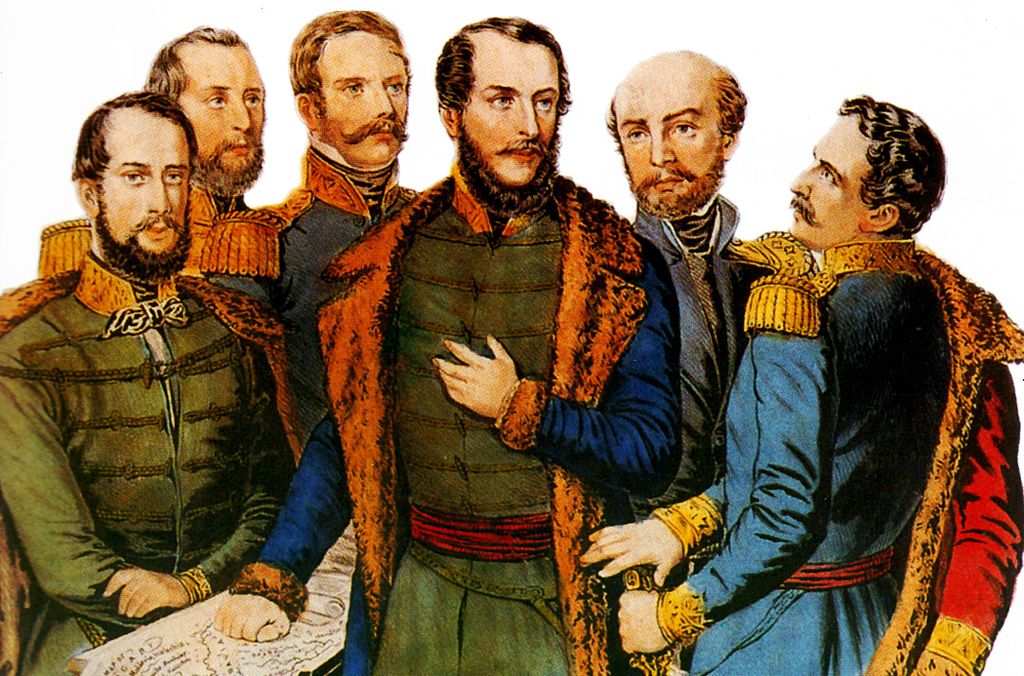
Back in 1825, the Diet of Hungary still convened in Pressburg (now Bratislava), launching the nation’s Reform Era. It wasn’t long before voices emerged suggesting that the assembly should be moved to Pest, where a new Parliament building would be constructed. In 1848, the April Laws officially designated Pest as the seat of the legislature, and the first session was held there that July. But the search for a new House of Parliament has already started.
A change much needed
On 11 September 1825, Emperor Francis I of Austria convened the Diet in Pressburg. Thanks to the reform efforts that took shape there, this session is considered the cradle of the Reform Era—the moment when Hungary’s transformation toward a modern, civil society began, according to PestBuda.
Soon after, Hungarian representatives began advocating to move the Diet from Pressburg—near the imperial seat of Vienna—to Pest, located in the heart of the country. The idea aligned with growing calls for national independence and self-governance.
While representatives did not openly raise this proposal in 1825, the issue remained on the agenda at every Diet session throughout the Reform Era. The period culminated in Pest becoming the permanent seat of the Hungarian Parliament. By 1848, the newly formed constitutional government was based there, and on 5 July, the first representative-based Diet opened in Pest rather than a feudal estate-based one.
Where should they meet in Pest?
The question extended beyond relocating the Diet to Pest—it was also about finding a worthy venue for national governance. Pressburg had the advantage of an existing chamber building used by the Habsburgs, but Pest needed a new, prestigious structure.
The first official proposal to hold the Diet in Pest emerged in 1830 during the Reform Era, likely suggested by Dubraviczky Simon, representing Pest County. County delegates from Tolna, Heves, Ung, and Torna supported the idea, while representatives from Bihar and Borsod initially opposed it.
Momentum grew during the 1832–1836 session, when delegates from Békés and Borsod reignited the discussion. Palatine Joseph pledged to commission preliminary architectural plans and cost estimates for a new building, with the intention of presenting them at the next session. However, when the lower house followed up on 22 August 1839, he cited illness and travel-related delays, saying the plans were not yet ready.