Subscribe to our social channels to get the latest news about Hungary!


The Ukrainian parliament is considering a bill to halt the transit of Russian oil and gas through its territory, a move that could significantly impact Hungary and Slovakia. The opposition European Solidarity Party, led by former Ukrainian President Petro Poroshenko, introduced the proposal, citing national security concerns and the desire to limit Russia’s revenues used to finance the ongoing war.
Registered as Bill No. 12380, the legislation seeks to prohibit Russian oil and gas transit through Ukraine’s infrastructure, including the Druzhba (Friendship) pipeline, which supplies Hungary and Slovakia. An accompanying resolution urges the Ukrainian government to develop a detailed cessation plan within 30 days and to implement the full transit halt within three months, Liga.net reports.
The bill, however, allows exceptions for obligations under international agreements or decisions by the European Union. In addition, it calls for assessing the economic, social, and environmental consequences of such a move and coordinating with international partners to mitigate diplomatic or economic fallout.
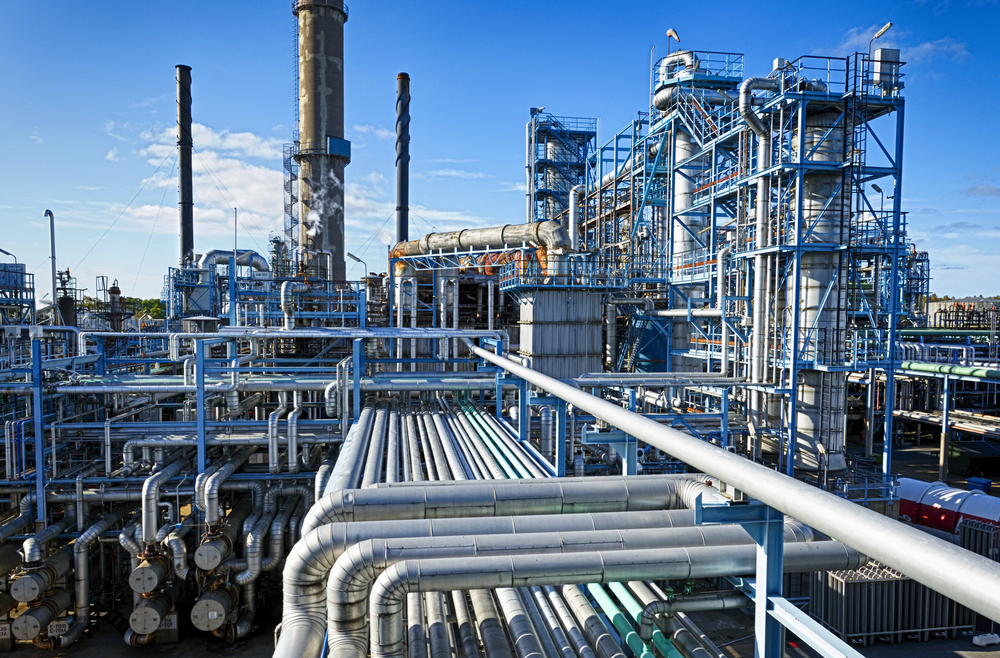
The Druzhba pipeline’s southern branch, exempted from the EU’s 2022 partial embargo on Russian oil, remains a crucial energy source for Hungary, Slovakia, and the Czech Republic, G7 writes. While the Czech Republic plans to end its Russian oil imports by 2025, Hungary and Slovakia have not announced similar measures. In fact, both nations have increased their imports of Russian oil in recent years.
Hungary’s government has been vocal about its opposition to ceasing Russian energy imports, emphasising the economic challenges such a move would create. Hungarian Foreign Minister Péter Szijjártó responded to the Ukrainian proposal by warning that Ukraine’s EU accession bid requires unanimous approval from member states, urging Ukraine not to jeopardise its relationship with EU countries through unilateral decisions.


