Subscribe to our social channels to get the latest news about Hungary!


In the last few weeks, we saw tumultuous scenes at Budapest Airport. Some Western experts blamed the Hungarian air traffic controllers (and the government, which cannot attract enough of them to work in Budapest). At the same time, HungaroControl said the problem was only partly the lack of crew. They said budget airlines contribute a lot to the delays. Now, the Hungarian government has a chance to reduce delays and cancellations at Budapest Airport.
Ferenc Turi, the CEO of the Capitol Consulting Group, shared the details of the “great plan” with index.hu.
PM Viktor Orbán and national economy minister Márton Nagy slammed the delays in multiple interviews. Orbán said many people work the whole year to travel by plane for holiday, and it was outrageous that many of them could only take off with 30-40-hour-long delays. The minister even summoned the head of the HungaroControl to try and normalise the situation.
Western criticism says the reason for the delays and cancellations is the shortage of air traffic controllers, caused by the fact that the Hungarian government could not pay enough. To make matters worse, the Orbán cabinet created unbearable working conditions for them. In a reply, some HungaroControl sources of Telex slammed the busy schedule of the airlines for the problems. We wrote about that HERE.
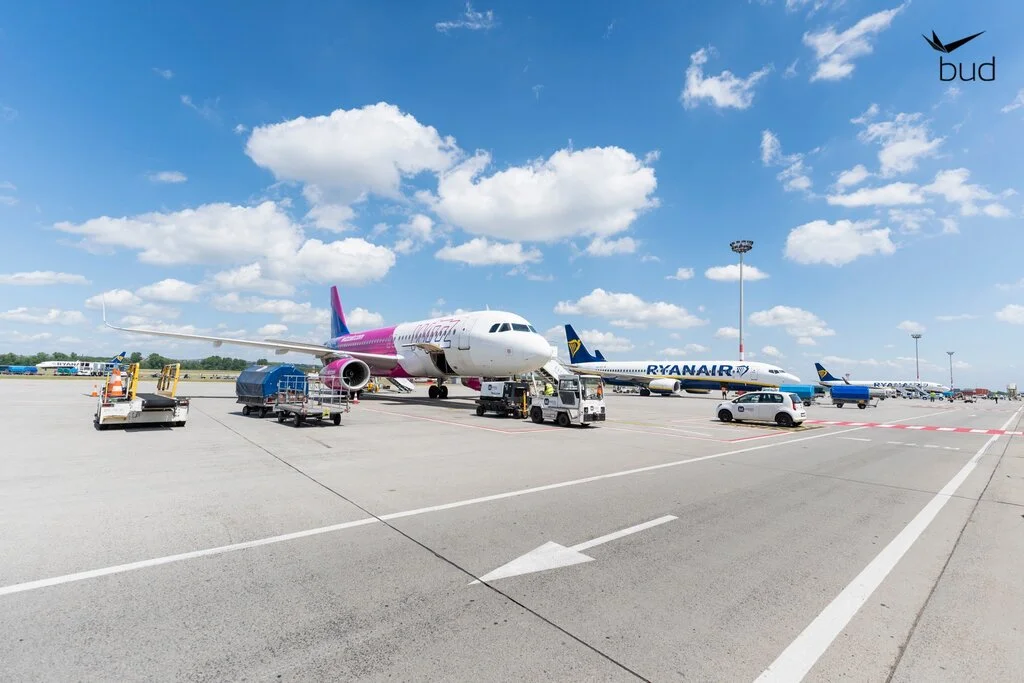
The Hungarian government “nationalised” Budapest Airport in June. The purchase price was EUR 3.1 billion, and the operator became Vinci Airports, a French operator company. According to Mr Turi, that was a crucial step in reducing delays.
The air travel expert said the problem is complex. One of the main reasons for the delays is that the Hungarian airspace is busy. Air traffic comes to Hungary from Ukraine and Russia because of the war. Furthermore, the Hungarian airspace saw a significant aircraft increase due to the air traffic increase in the Middle East. Air traffic grew by 23% until July.
Turi added that the Hungarian airspace is very cheap. In the West, it costs EUR 50/unit, while in Hungary it is only EUR 28/unit. That should be increased.
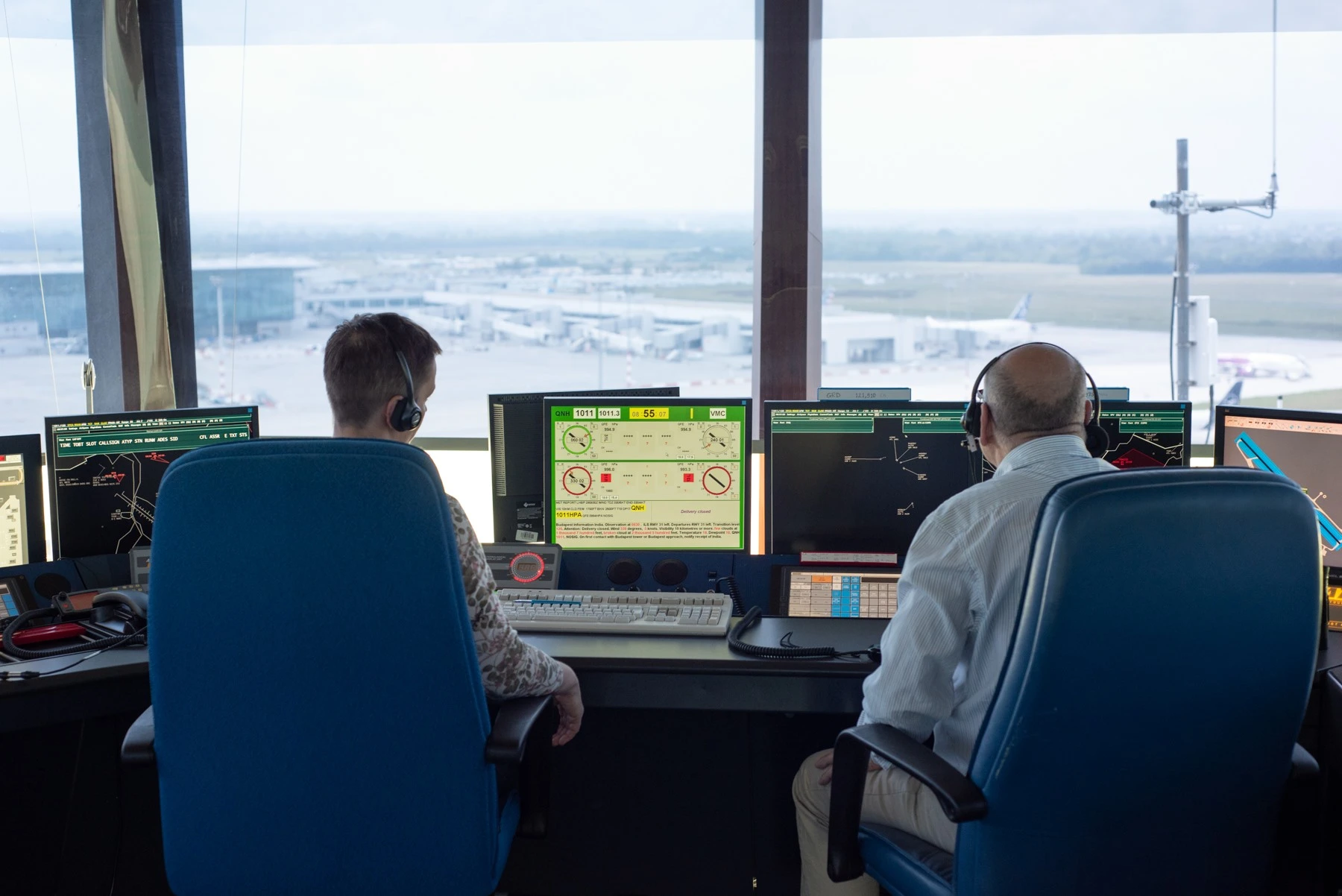
Aboit whether the solution would be strengthening EuroControl’s positions, he remained pessimistic. It’s not because a European institution could not be more effective, but because most countries do not want to lose their “sovereignty” in regulating their airspace. The airlines lobby for unified airspace control, but countries insist on keeping that power. That is why the plan could not advance in the last ten years.
Turi said there are three categories of airports: uncoordinated, semi-coordinated and coordinated. Budapest Airport is currently semi-coordinated. That means the airlines submit their schedules, and it happens only rarely that HungaroControl can deny them.
Therefore, the Hungarian government should give the so-called coordinated status to the Budapest Airport in June, July, August and September. That means all airlines would have to submit their schedules for authorisation.
Since Budapest Airport is under state control, the entire process can be quicker than before.
Read also:


