


Hungarian queen in the Middle Ages: a “perilous occupation”

Change language:
Being a Hungarian queen in the Middle Ages was by far not as glamorous as one might think today. Throughout her entire life, the queen depended on her husband’s whims and fancies, she could enjoy little to no independence. On top of that, she was considered a foreigner in her country. Her most important duty was to bear a son to continue the imperial line. Besides, being a widowed Hungarian queen was particularly dangerous during the later phase of the Middle Ages. Several Hungarian queens tried to push their limits and get more out of their life than she was, by societal standards, destined for. While some of them succeeded, others had a gruesome end. We will show you three examples of the latter.
The Hungarian queen who turned into an angry viper
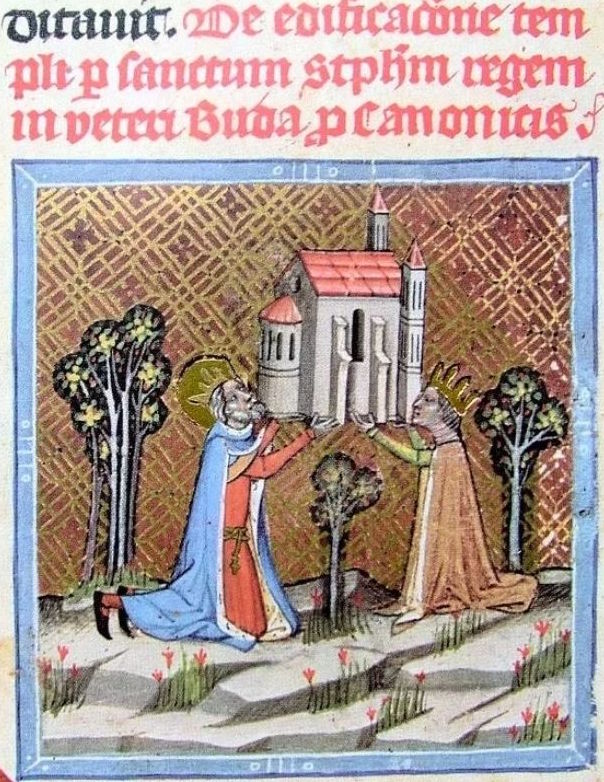
Gisela of Bavaria (c. 985 – 7 May 1065) was the first queen consort of Hungary by marriage to King Stephen. According to HelloMagyar, Queen Gisela was a controversial figure in Hungarian history. On one hand, she was beatified and declared blessed by the Catholic Church since she undoubtedly played an important role on the side of King Saint Stephen to establish the Christian state of Hungary. On the other hand, she was villainised by the medieval chronicles for blinding Vazul (cousin of Stephen) and chasing away his sons. She was often depicted on the pages as an angry viper. On top of that, in recent times, she has been also seen as the forefront figure of the Germanisation attempts in Hungary.
According to the early sources, Gisela seems like a typical medieval Christian queen who made generous donations to several religious entities.
Her life, however, was shadowed by the devastating early deaths of her children, including Prince Emeric who was killed by a boar while hunting. Gisela also outlived King Stephen which meant she had to face some real difficulties. Widowed medieval queens were often seen as persona non grata after their husbands’ deaths. After King Peter the Venetian, nephew of King Stephen, was crowned, Gisella was deprived of all her lands and wealth. She was practically exiled and locked up in a castle that was guarded by soldiers. She received better treatment from the next king, Samuel Aba, however, she was still not taken as an ally. Eventually, Gisela left the country when King Peter regained the throne and went to Passau to join the nunnery of Niederburg, where she died in 1065.
Read also: Clemenceau’s Hungarian daughter-in-law’s infidelity caused Trianon?
The Hungarian queen who was assassinated
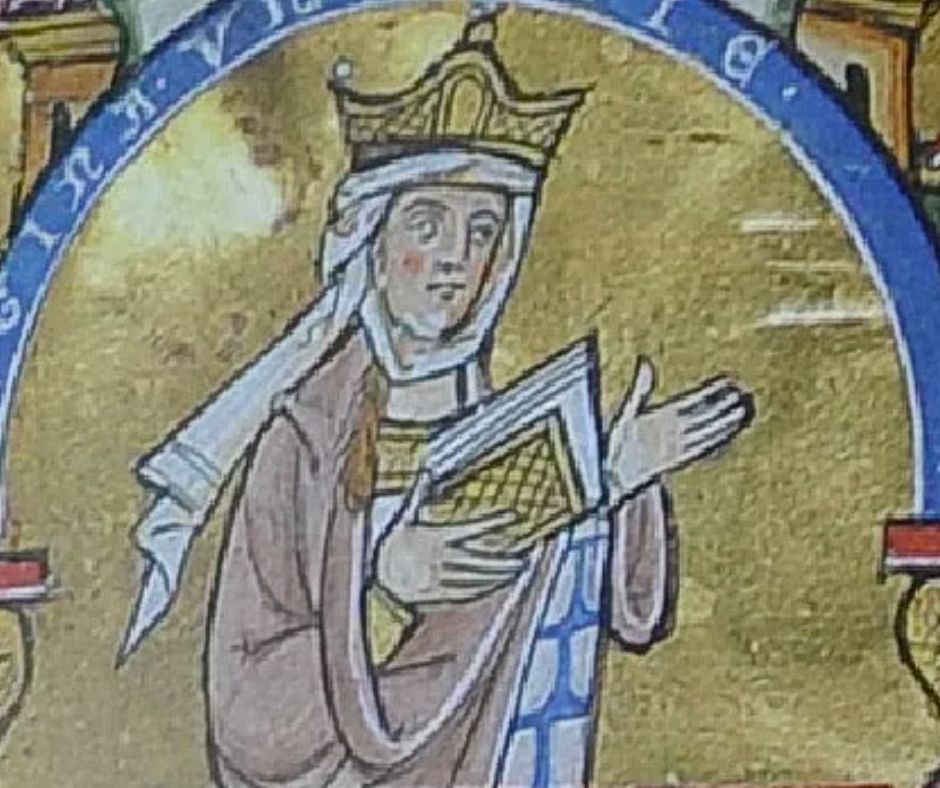
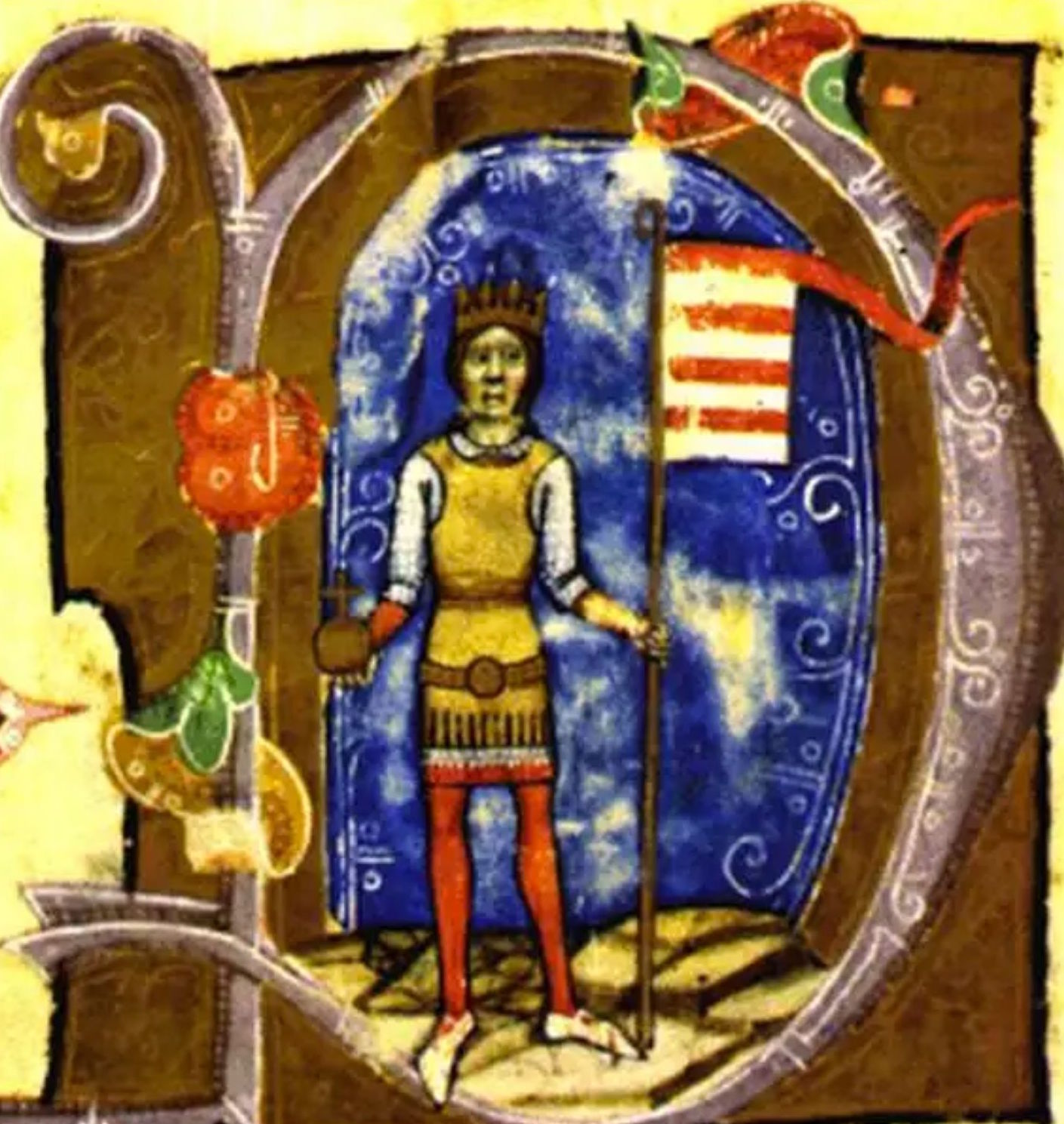
According to historians, the medieval chronicles that painted Queen Gisela in a negative light actually meant to depict another Hungarian Queen, Gertrude of Merania (c. 1185 – 28 September 1213). She was the wife of Andrew II of Hungary, also known as Andrew of Jerusalem. She might be familiar from Bánk Bán, the famous opera of Hungarian composer, Ferenc Erkel, as the wicken queen who came from a faraway land and does various schemes to financially benefit her own relatives. However, the reality is more complex than the opera tells us. Even though King Andrew II indeed owned a vast land, Gertrude’s relatives in Merania did not manage to get their hands on much of it. Only, Berthold, the brother of Gertrude received some land and was elected as the bishop of Kalocsa, which must have begrudged some people at that time.
Being a monarch in any country in Europe in the middle ages was a ‘perilous occupation’ and many were born outside of the country that the were rulers of. I suppose you could call call an ‘occupational hazard’.