


Tremendous money and Türkiye behind the Orbán cabinet’s thirst for Russian oil?
Change language:
Why are Orbán and his team so determined to cling to Russian oil? An expert reveals the truth, with money playing a key role. Another key factor may be the Hungary-Türkiye relationship.
It is now relatively well known that within the European Union, only Slovakia and Hungary continue to purchase oil from Russia. The landlocked Czech Republic and Austria are expected to cease buying Russian oil entirely this year, yet none of these countries show signs of collapse. So why, then, do Orbán’s government insist on maintaining their reliance on Russian oil? According to an expert, the answer lies largely in the vast sums of money involved, along with a little-known diplomatic element lurking behind the scenes.
Orbán cabinet: severing ties with Russian oil would be catastrophic
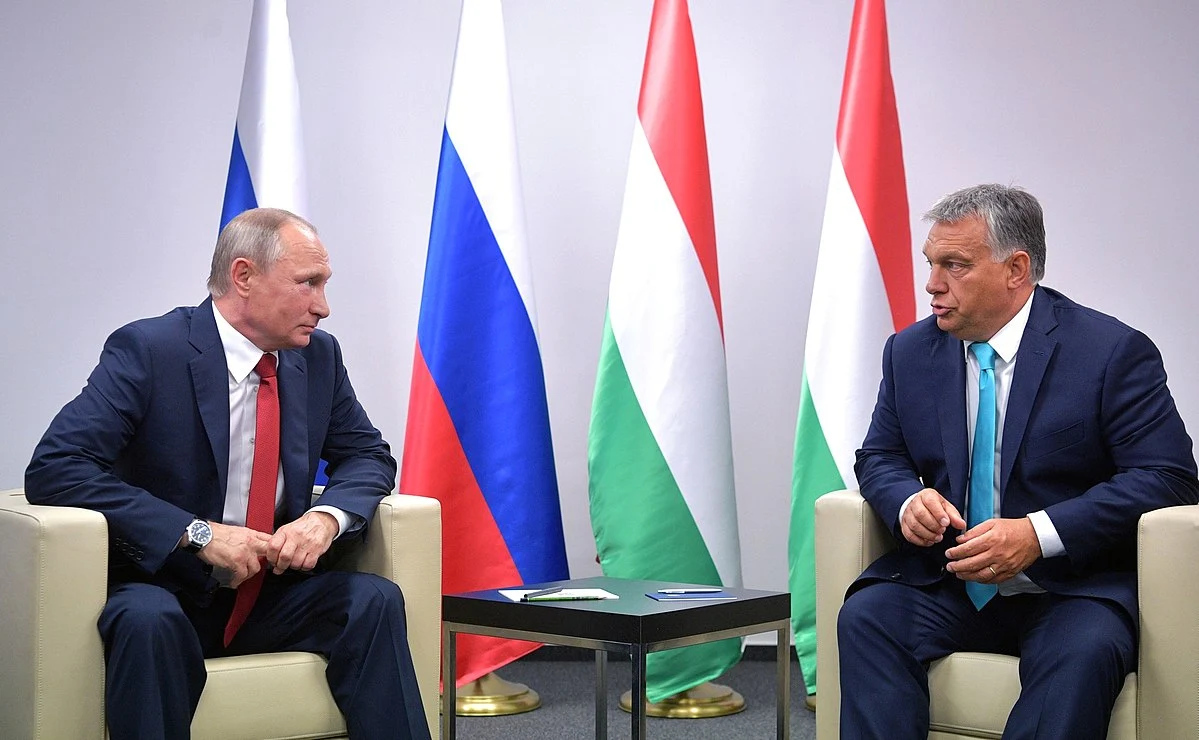
From 2025 onwards, only Hungary and Slovakia will still be purchasing Russian oil, which is why Prime Ministers Fico and Orbán fiercely defend this position at every opportunity. Since the start of the Russian invasion, the EU has contemplated banning these transactions (and has already done so for maritime shipments). However, Budapest and Bratislava have so far enjoyed exemptions, as they receive oil via the landlocked Friendship pipeline.

Last week, it emerged that even former US President Trump expressed frustration after some discussions over how NATO member states could be inadvertently funding Russia’s war machine through oil purchases. Nevertheless, a friendly chat with the Hungarian Prime Minister appeared to soothe his concerns. It seems Orbán convinced the White House that Hungary cannot yet afford to give up Russian oil.
- Trump: Hungary should not be blamed for its dependence on Russian oil
The government constantly asserts that switching oil sources would lead to soaring petrol prices, something nobody wants. They claim there is no alternative supply capable of meeting the quantities refined by MOL (Hungary’s national oil company). Additionally, technical issues arise because MOL can currently only refine Russian Ural-type oil; converting to other types would require massive investments, which would ultimately hurt motorists’ wallets. However, an expert offers a more nuanced perspective on these claims.
Hungarian-Croatian oil relations are heavily strained

Energy expert József Balogh argues that the Friendship pipeline is not the only option. Contrary to government assertions, the Adriatic pipeline could supply ample oil if capacity were secured early and in large volumes, and if the MOL-INA dispute between Hungary and Croatia did not sour their relationship.
The crux of the conflict is a Croatian court ruling that MOL’s CEO Zsolt Hernádi secured control of Croatian oil company INA through a €10 million bribe with the help of former Croatian Prime Minister Ivo Sanader. Sanader served almost 10 years in prison for this and other crimes before his release this July, while Hernádi remains barred from entering Schengen countries due to a Croatian arrest warrant.
- Hungarian MOL-Croatian INA war continues: MOL CEO Hernádi bribed Croatian PM with €10M?

Is Russian oil really cheap?
Balogh agrees with the government that Russian oil is cheaper than alternatives (as is Russian gas), but acquiring it is politically delicate. He claims MOL knows exactly how to transition away from Russian oil at its refineries but “pretends otherwise.” He also points out that Hungarian interests control the refinery in Rijeka, Croatia, which processes non-Russian oil, meaning the knowledge and technology to switch exist.


How hard it is to comprehend, that a politician wants to be reelected, that means economical growth, and that means buying Russian oil.
Just because the West is degenerate enough to allow ideologues like the greens to lead them into extinction, doesn’t mean Hungarians are the same.
Mark, that’s called corruption. What you government is quick to label others.