Riyadh: a fusion of ancient traditions and rapid modernisation – our trip to Saudi Arabia
Riyadh, Saudi Arabia - travel report. Photo: Alpár Kató, Hungary
Change language:
Saudi Arabia is often portrayed in many different ways, but experiencing it firsthand was an entirely different journey. From the deep respect for Arab and Islamic culture to the breathtaking pace of development in Riyadh, the Saudi capital offers a truly unique destination for travellers.
When I told my friends that my next trip was to Saudi Arabia, the first question they asked was: what is even there? Sure, Cristiano Ronaldo signed with a club there, and the desert might be beautiful, but what is there to see as a tourist? While the country may seem distant in many ways, a deeper dive into its history, culture, and ambitious development projects reveals a captivating travel destination.
These major innovations are encapsulated in one term: Vision 2030, Saudi Arabia’s most extensive reform and development programme. King Salman bin Abdulaziz Al Saud ascended to the throne on 23 January 2015, and his son, Crown Prince Mohammed bin Salman, has been the face of the Vision 2030 programme, launched in 2016. Aimed at modernising the economy and society while reducing dependence on oil, the programme focuses on economic diversification, social reforms (including women’s rights and education), and infrastructure and urban development—including significant investments in tourism.
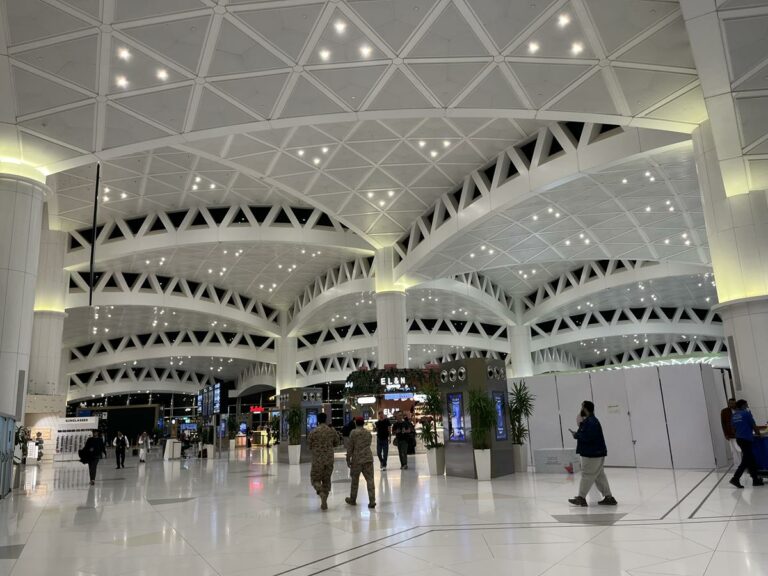
The only direct flight from Budapest to Riyadh is operated by Wizz Air, flying twice weekly. After a little over five hours, I landed at King Khalid International Airport, which boasts five terminals. If it is your first time entering the country, they take your fingerprint at immigration, and it is helpful to have your visa ready. The airport is about 35 kilometres from the city centre, and you can take a taxi or even the metro to downtown Riyadh.
King Khalid International Airport. Riyadh, Saudi Arabia – Travel Report. Photo: Kató Alpár
Essential facts about Riyadh and Saudi Arabia
Before delving deeper into my journey, it is helpful to understand the basics. Saudi Arabia, officially the Kingdom of Saudi Arabia, was established in 1932, unifying previously scattered emirates. Covering much of the Arabian Peninsula, it spans approximately 2.15 million square kilometres—roughly 23 times the size of Hungary. Despite its vast size, much of the land is desert, and the population is only about 35 million—just 3.5 times Hungary’s size. Additionally, nearly 17 million of these residents are foreign workers from around the world.
Riyadh, home to 7.5 million people, sits on the Najd Plateau and is by far the country’s largest city. The name translates to “gardens,” referencing the region’s desert oases, which were historically crucial for survival. Timing your visit is important, as the city’s desert climate means scorching summers (average 35°C, highs of 43°C) and mild winters (average 15°C, lows of 5°C). My hosts unanimously advised visiting between December and February. Interestingly, Saudi Arabia employs cloud seeding technology to enhance rainfall, a method of modifying clouds to encourage precipitation.
Traditional attire and culture
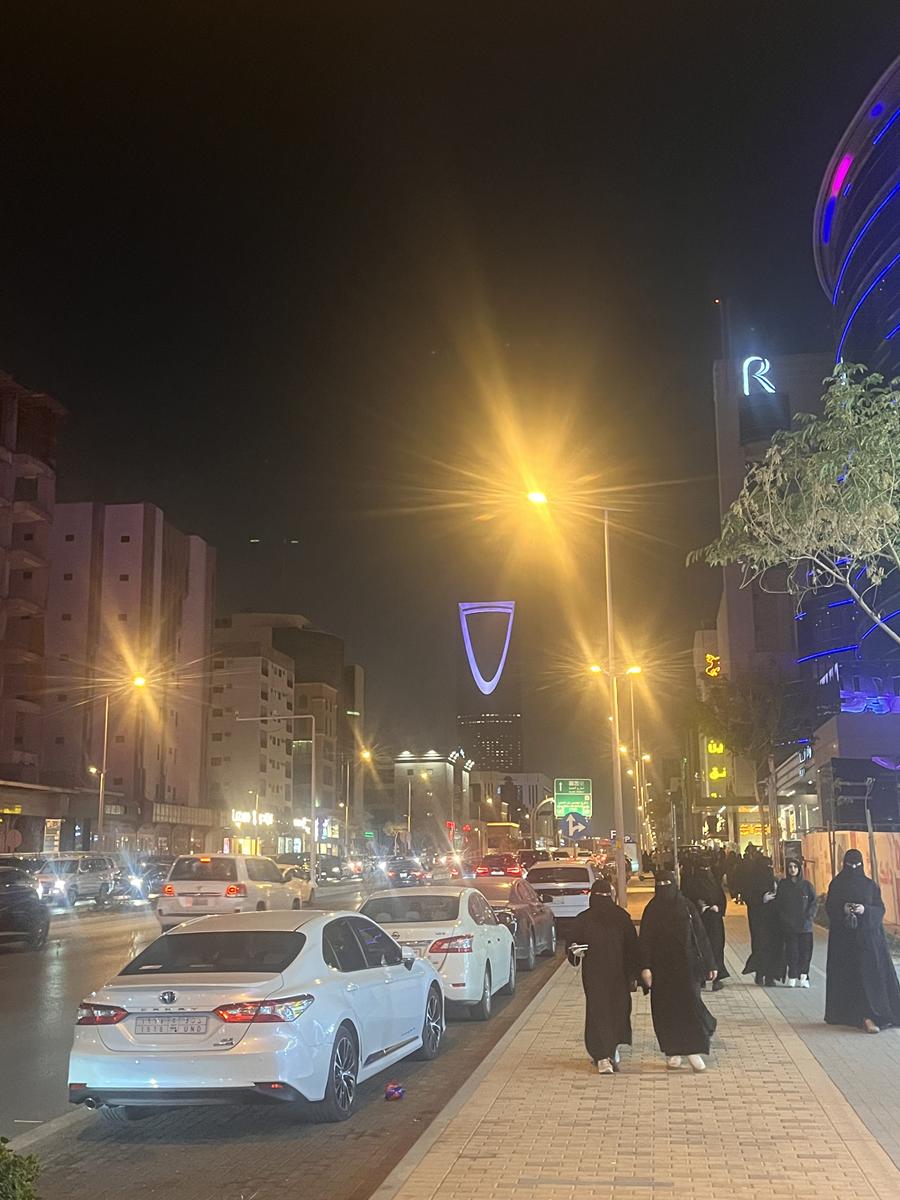
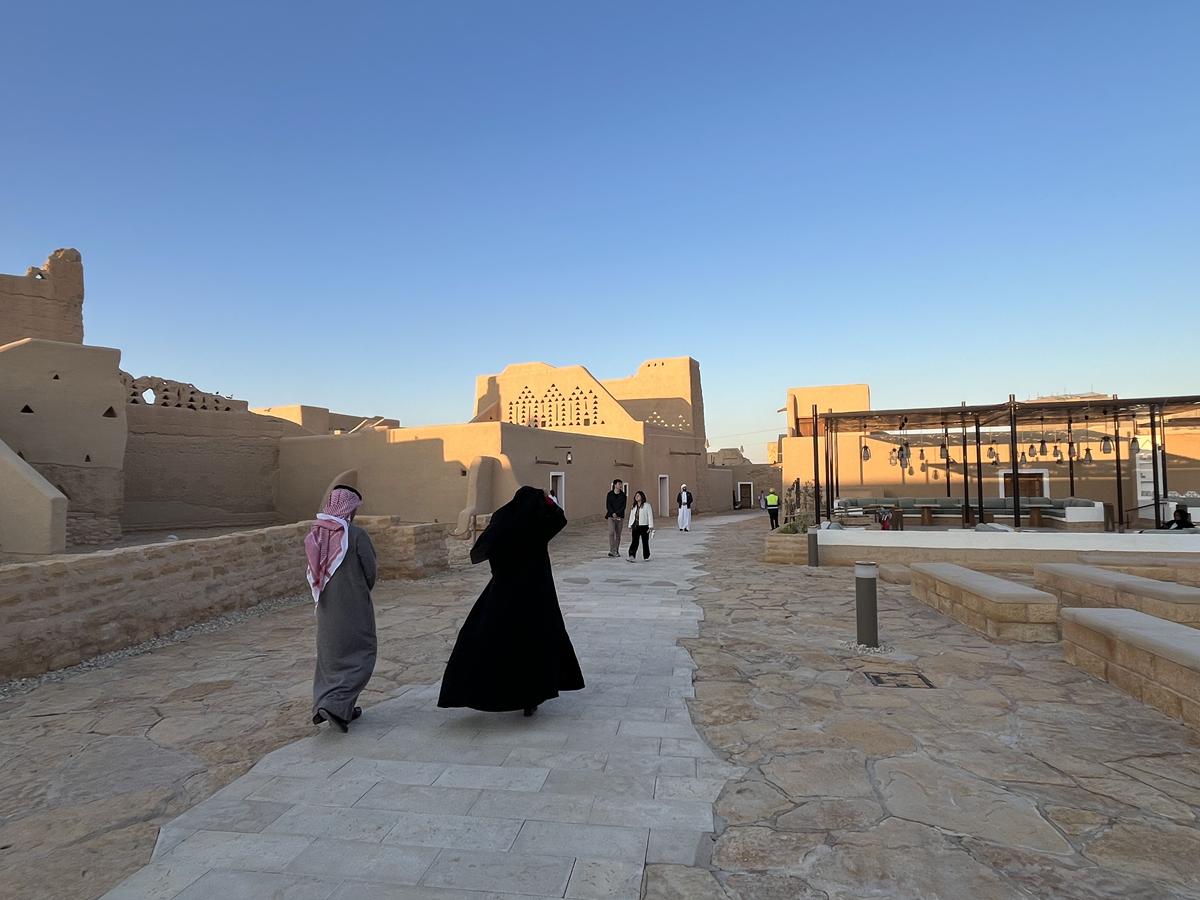
One of the most striking differences from the Western world is the traditional clothing worn by men and women. Saudi women often wear a black abaya—a loose, long-sleeved robe—paired with a hijab (headscarf) or sometimes a niqab (face veil). Meanwhile, Saudi men typically wear a thawb (also called a “thoob”), a long, ankle-length garment, predominantly in white. They complete the look with a ghutra or shemagh (a white or red-and-white checkered headdress), secured with a black agal cord.
Riyadh, Saudi Arabia – travel report. Photo: Alpár Kató
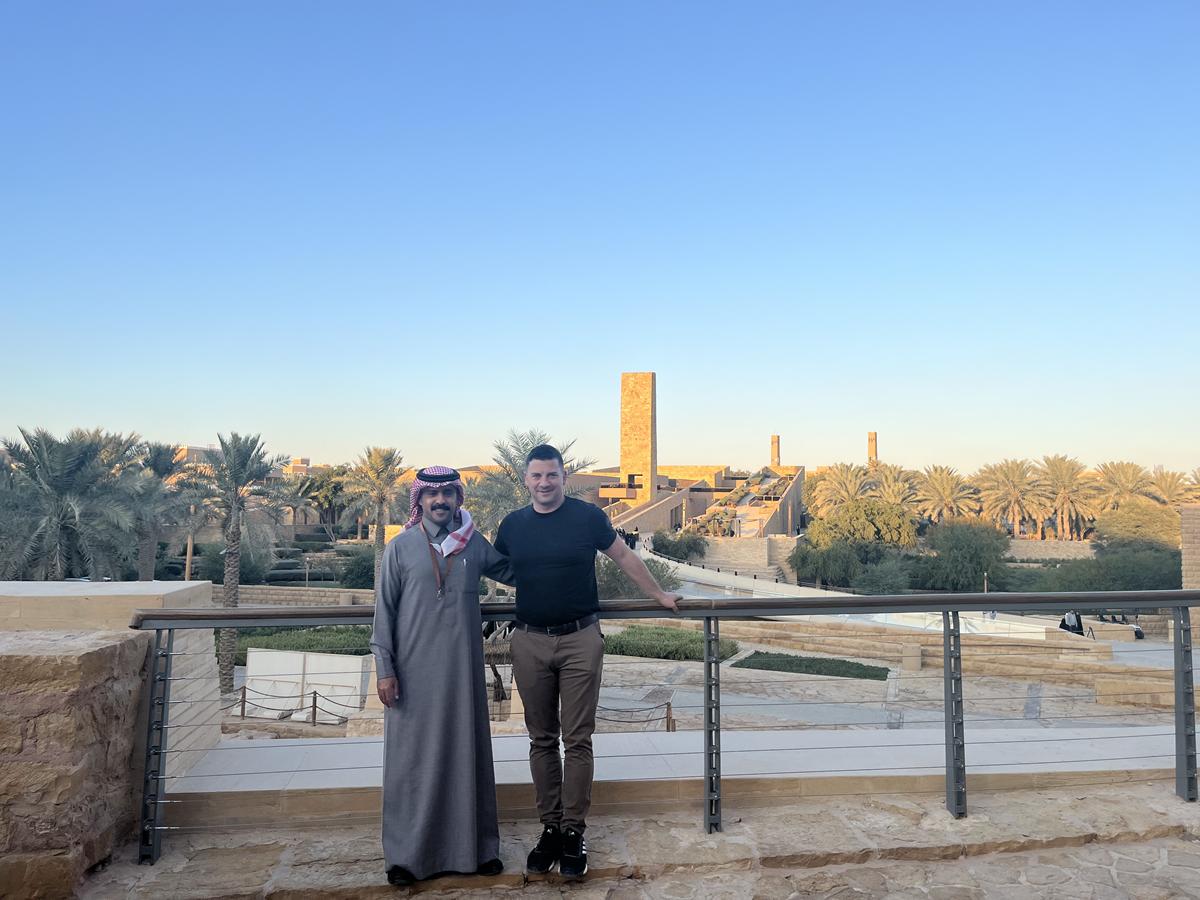
While Western clothing is an option, the vast majority continue to wear traditional garments, which I found admirable. My local guide, Mosab, explained that choices often reflect personal beliefs—within a single family, one sister may dress in a Western style while the others stick to traditional attire.
Overall, I was impressed by the friendliness of the Saudi people. Many recognised the name Puskás, and even Dominik Szoboszlai was mentioned by some football enthusiasts. While Hungary is a small country that is not widely known here, interest in Budapest is growing, which is promising for tourism.
Riyadh, Saudi Arabia – travel report. Photo: Alpár Kató
Skyscrapers, metro and city life
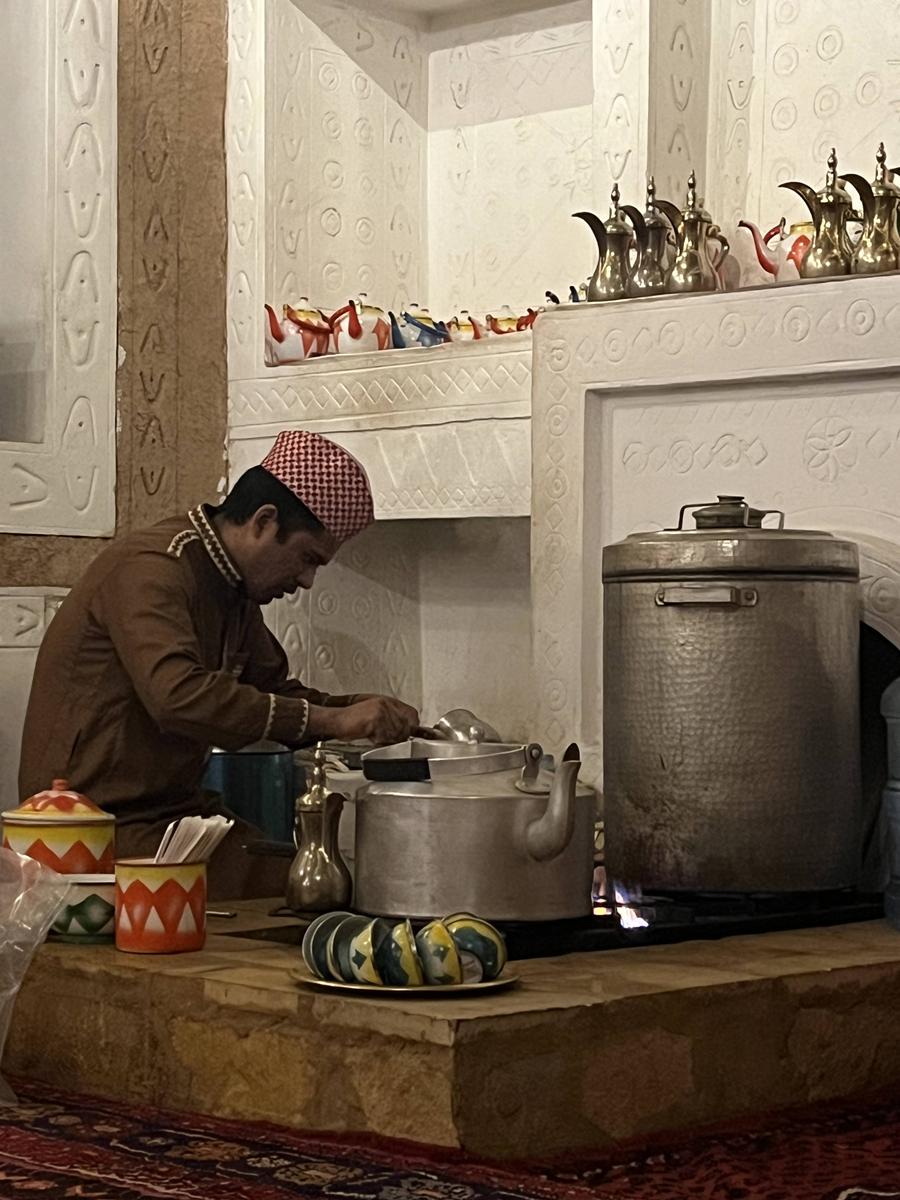
I stayed in the Al Olaya district, one of Riyadh’s central areas. Walking around, I saw luxury brands, high-end hotels, restaurants, and cafés. As alcohol consumption is banned in Saudi Arabia, young people often meet in coffee shops, enjoying tea, coffee, desserts, and even hours-long conversations over shisha.
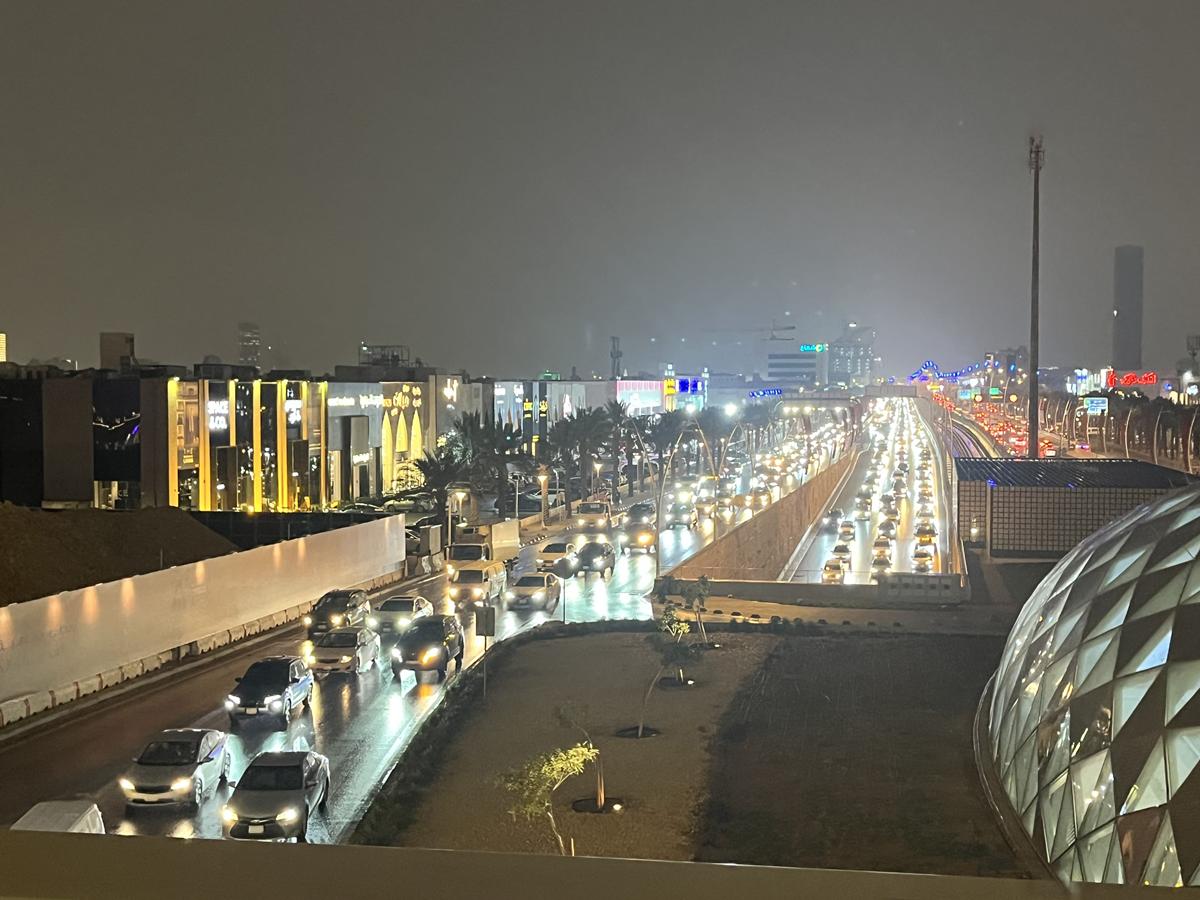
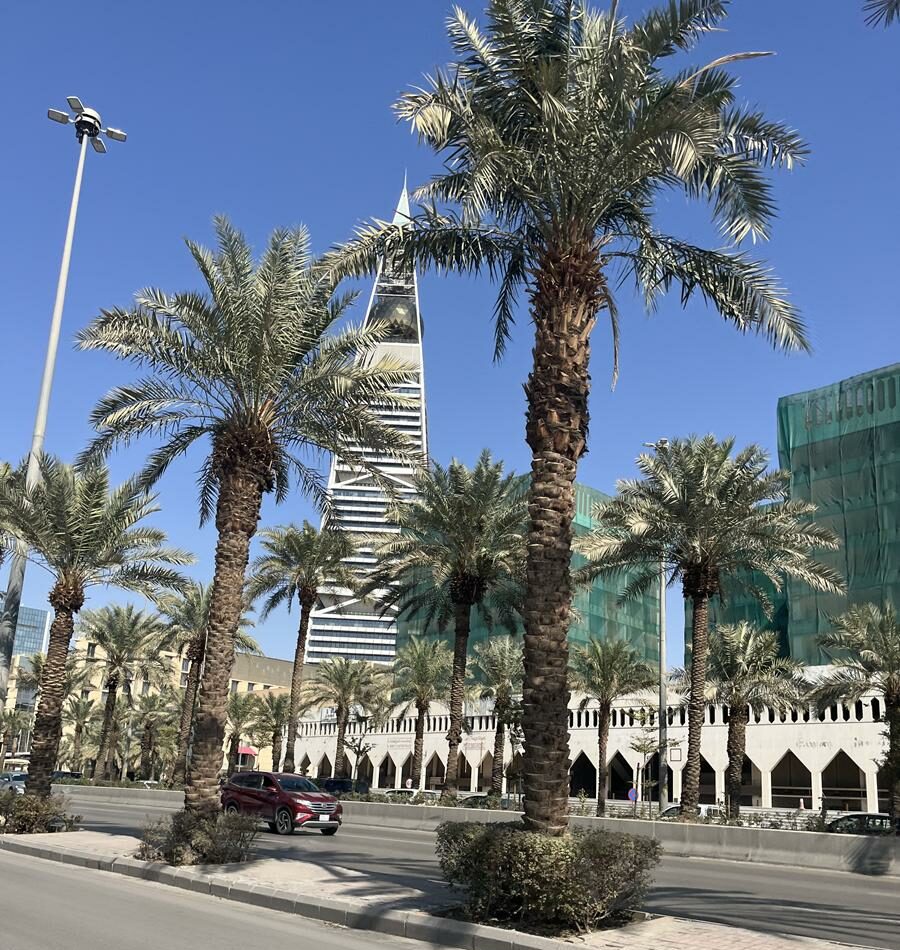
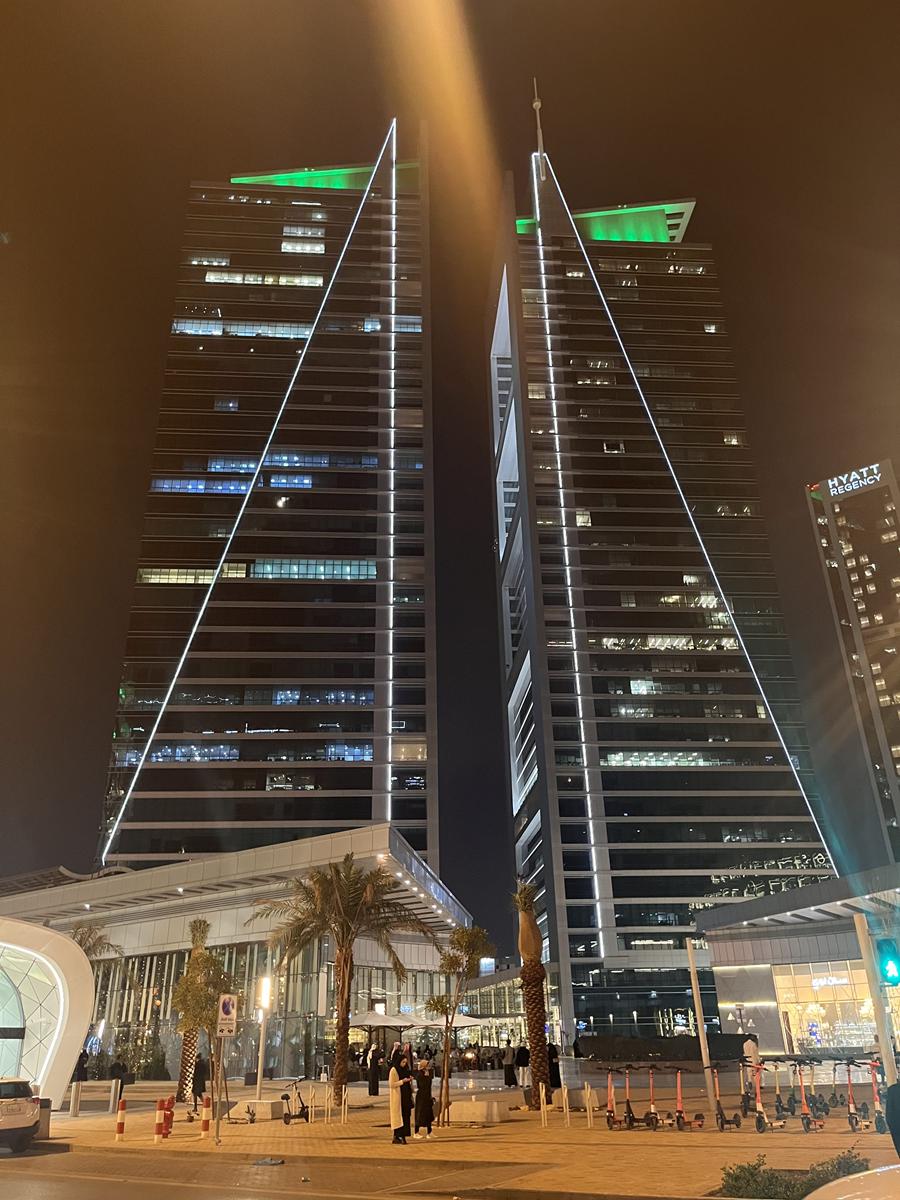
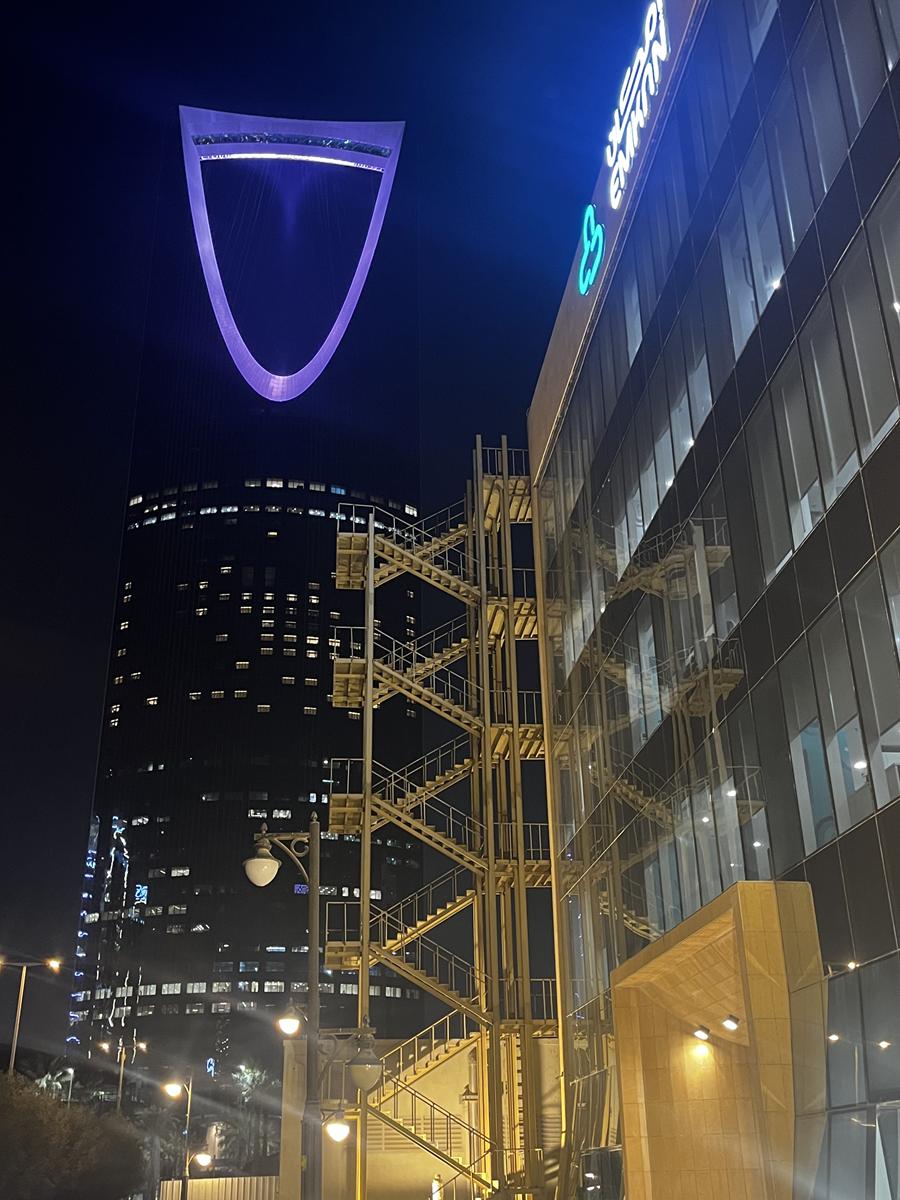
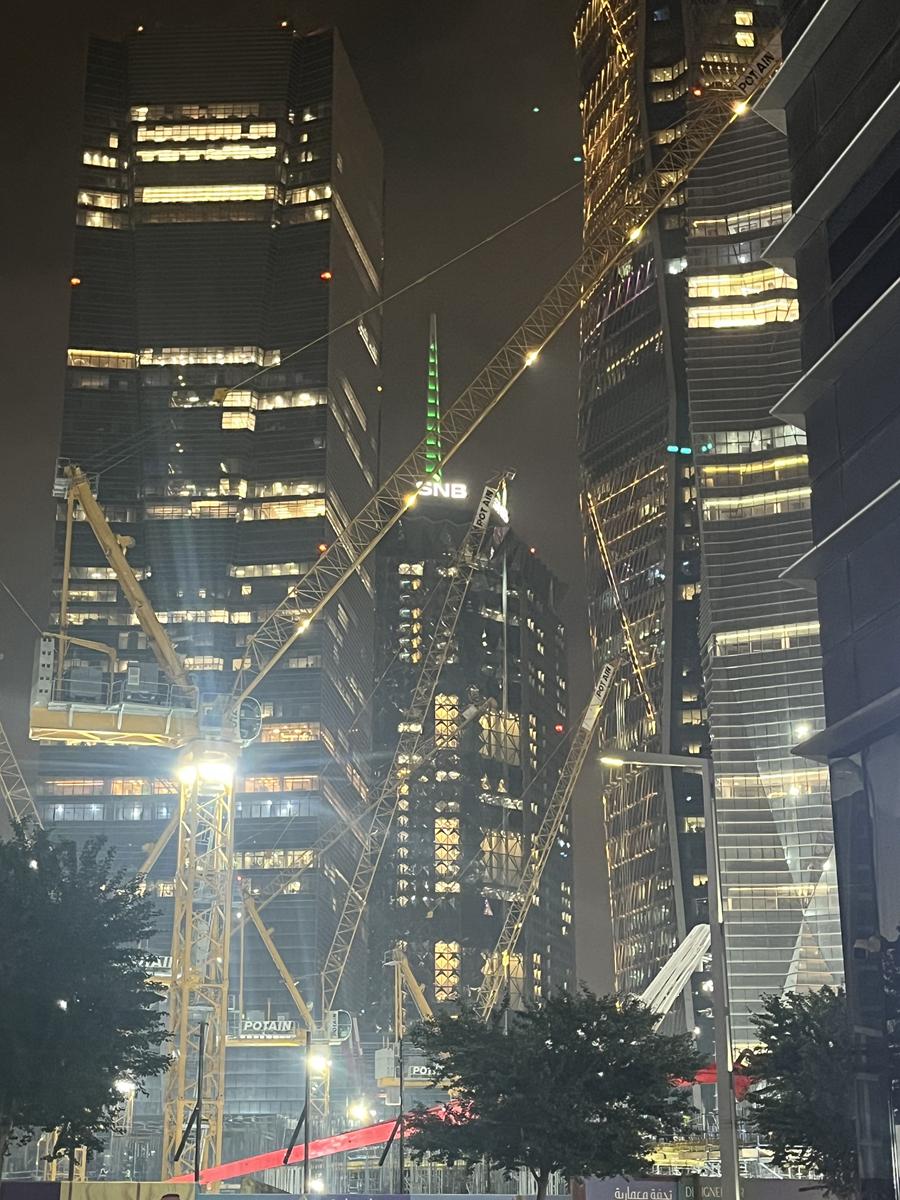
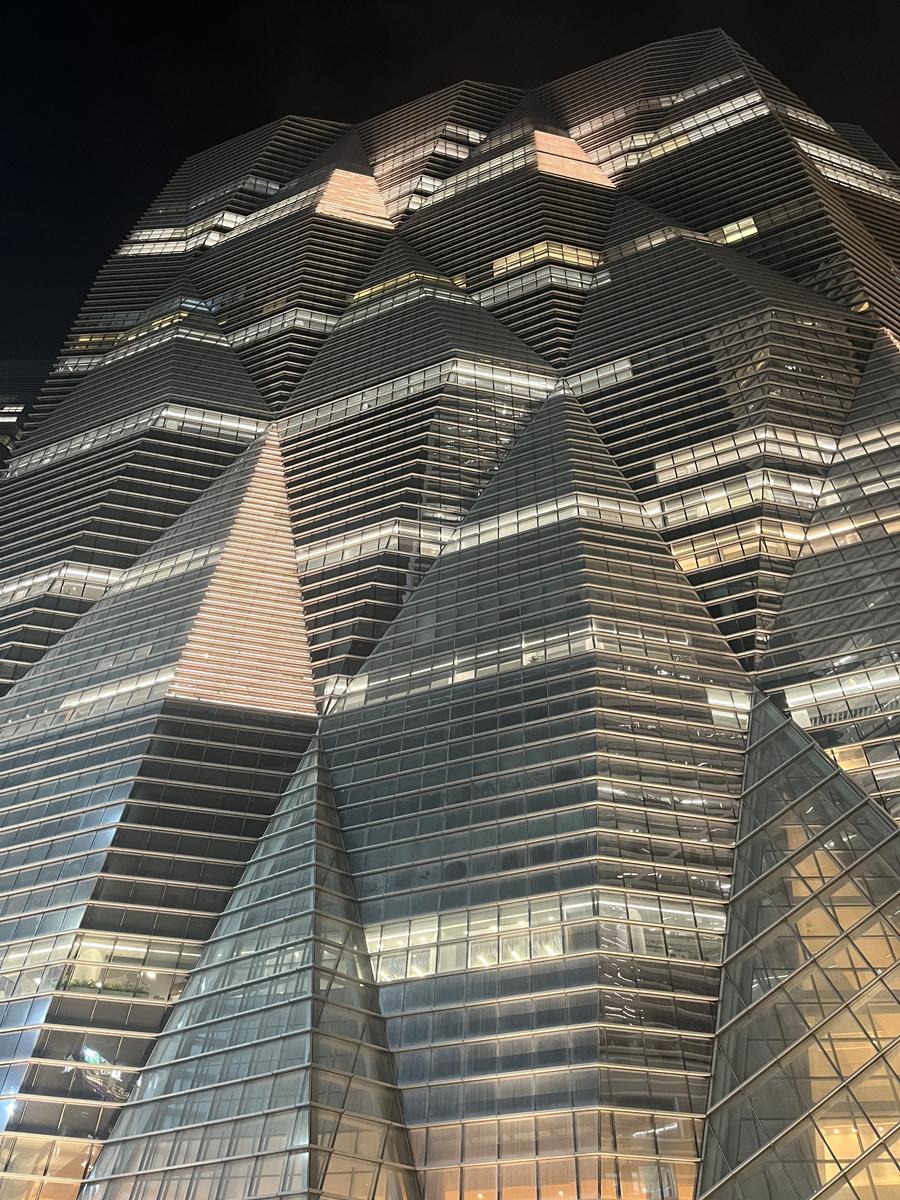
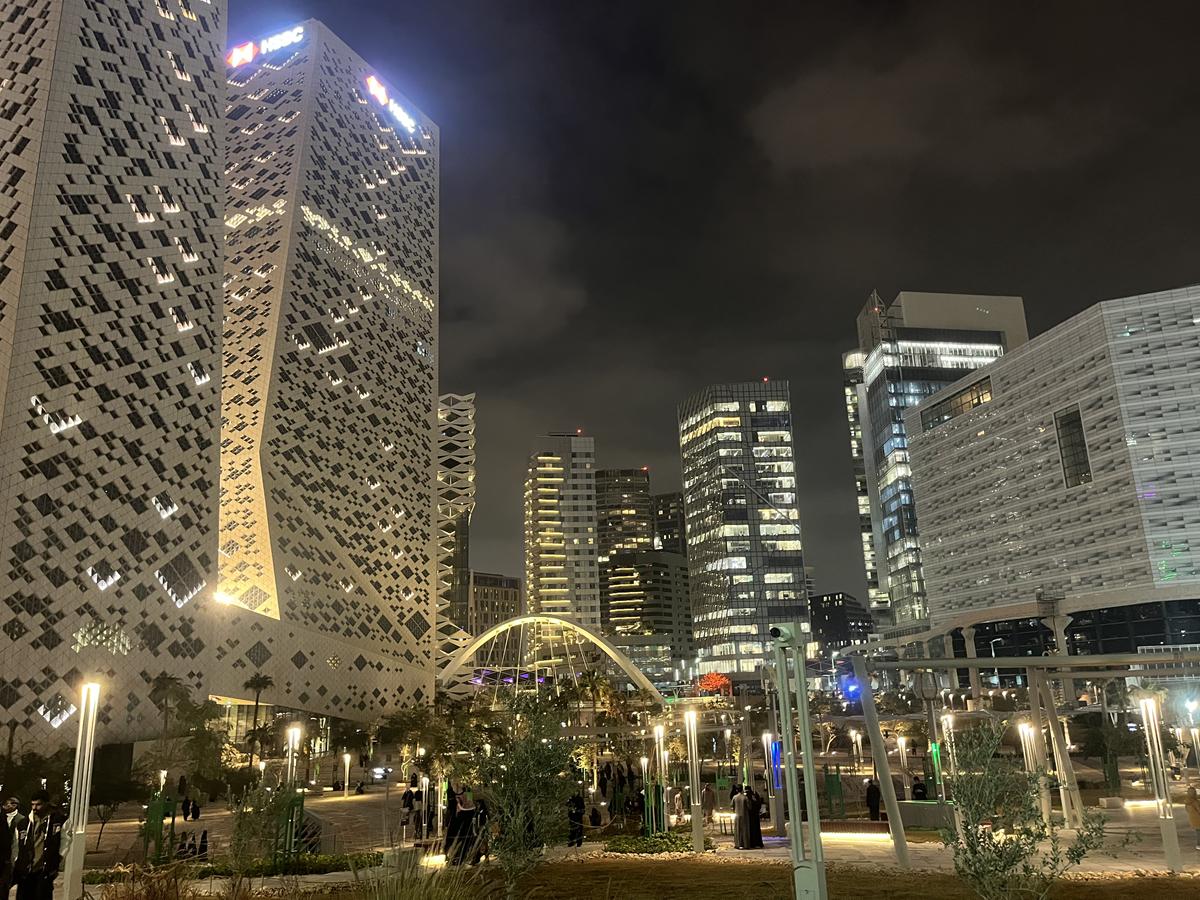
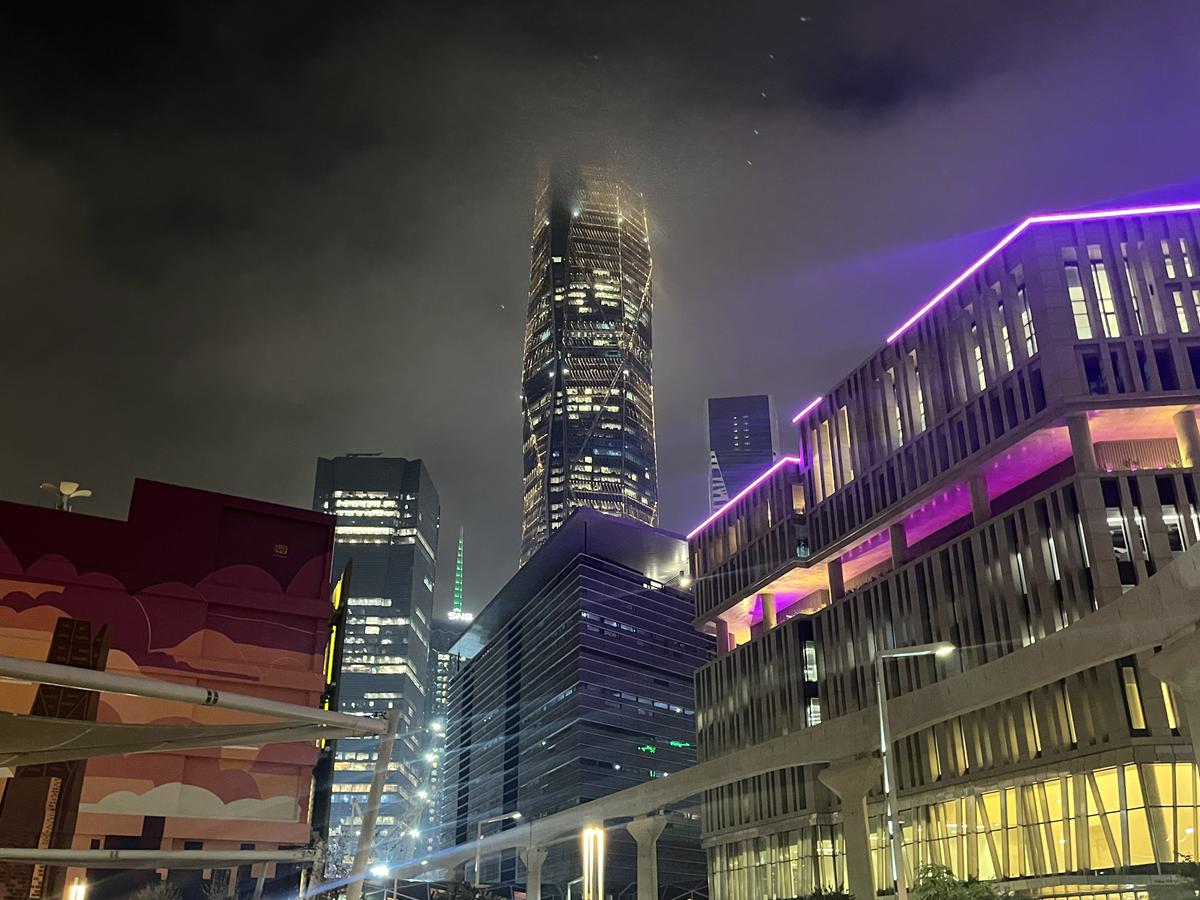
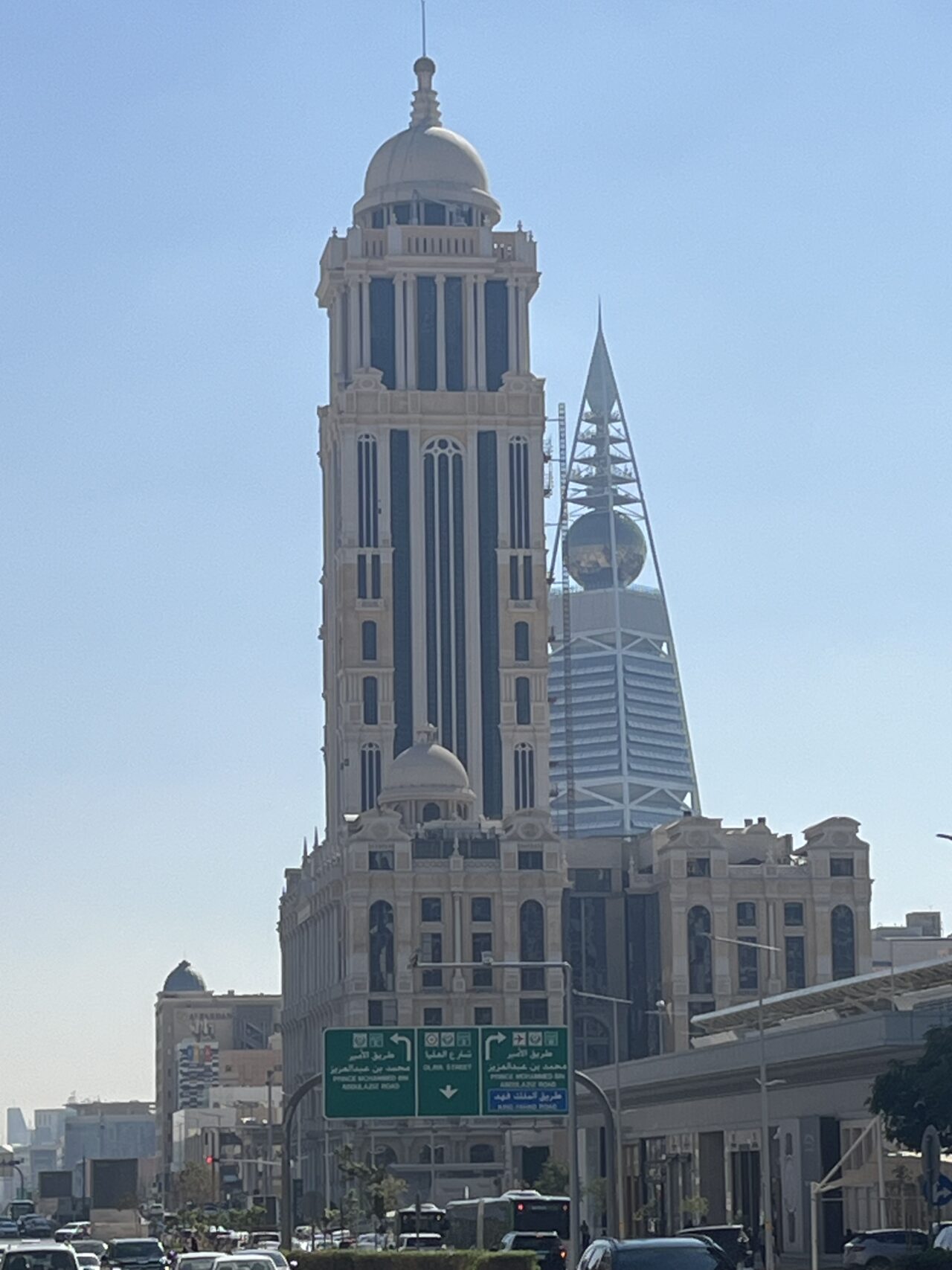
Riyadh is undeniably a modern metropolis, with wide boulevards, gleaming skyscrapers, and constant traffic. I could not help but wish Budapest had a dedicated business district with towering skyscrapers, allowing Hungarian architectural talent to shine. The Saudis take immense pride in their skyline and are continuously building more. Plans are in place to construct the world’s tallest tower in Riyadh, surpassing Dubai’s Burj Khalifa, and the long-stalled Jeddah Tower could also be revived.
Riyadh, Saudi Arabia – travel report. Photo: Alpár KatóRiyadh, Saudi Arabia – travel report. Photo: Alpár KatóRiyadh, Saudi Arabia – travel report. Photo: Alpár Kató
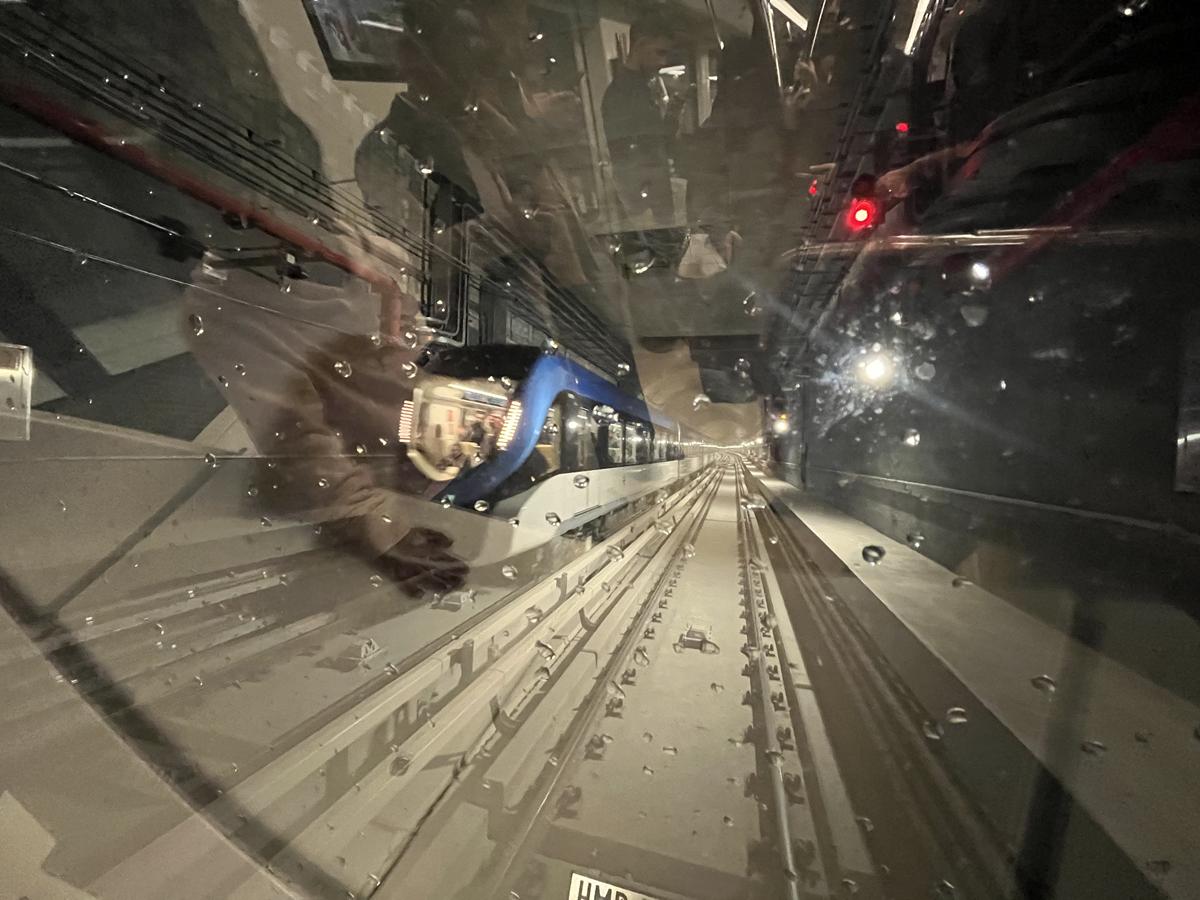
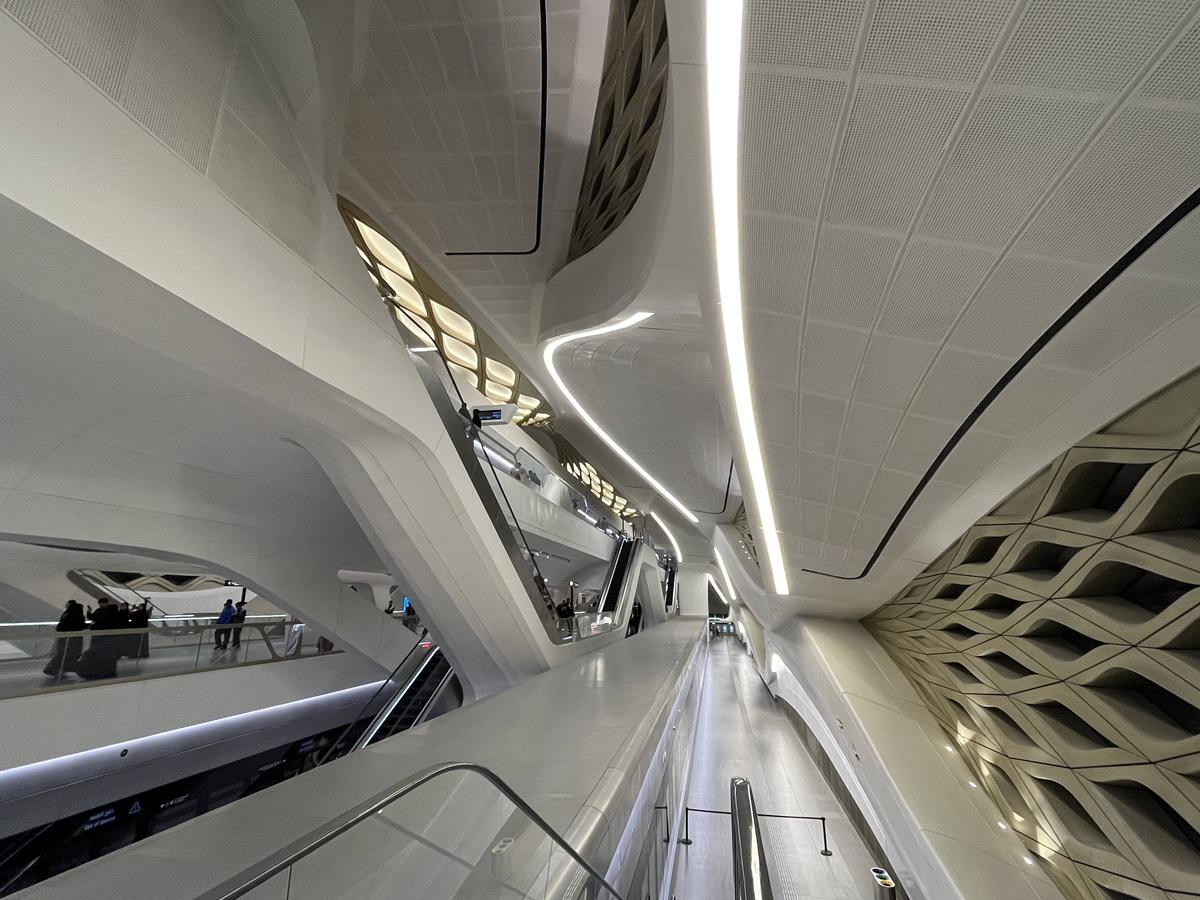
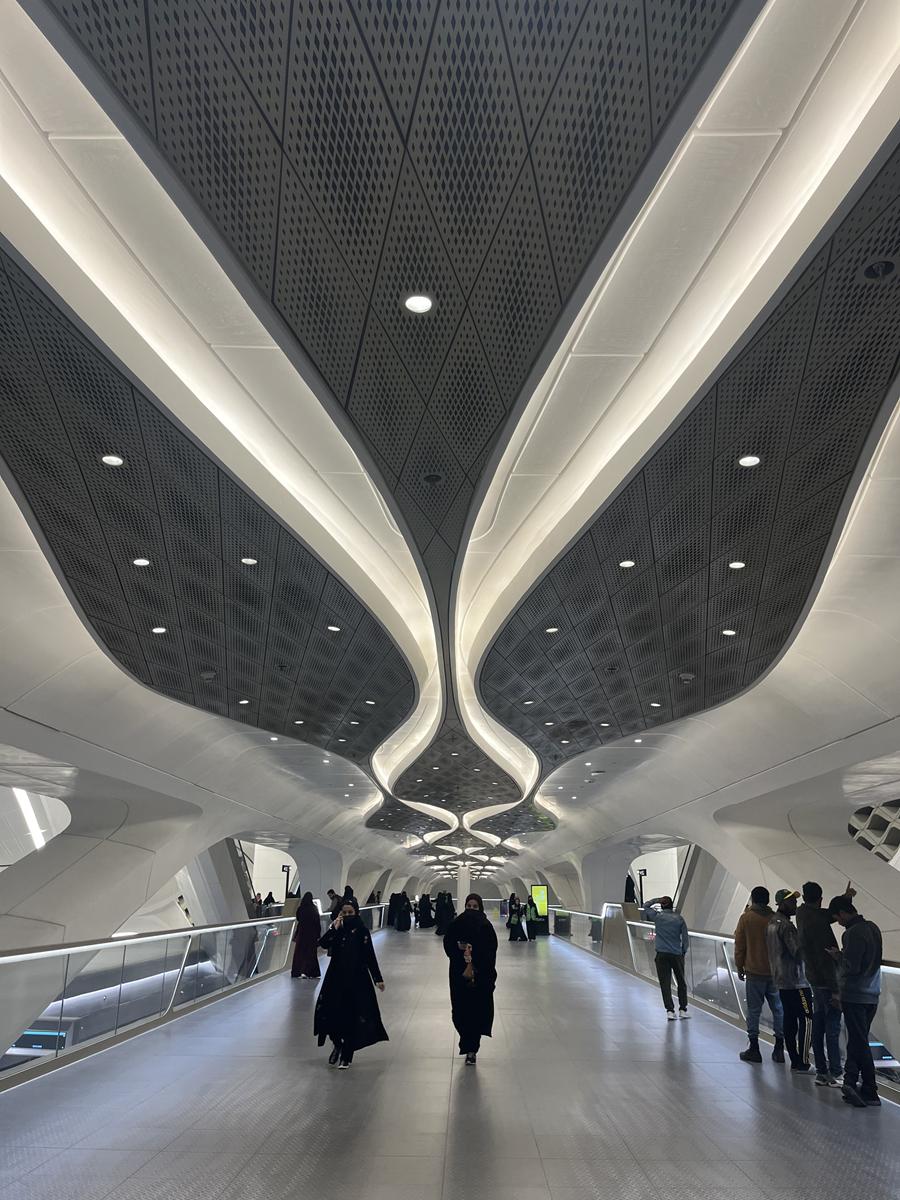
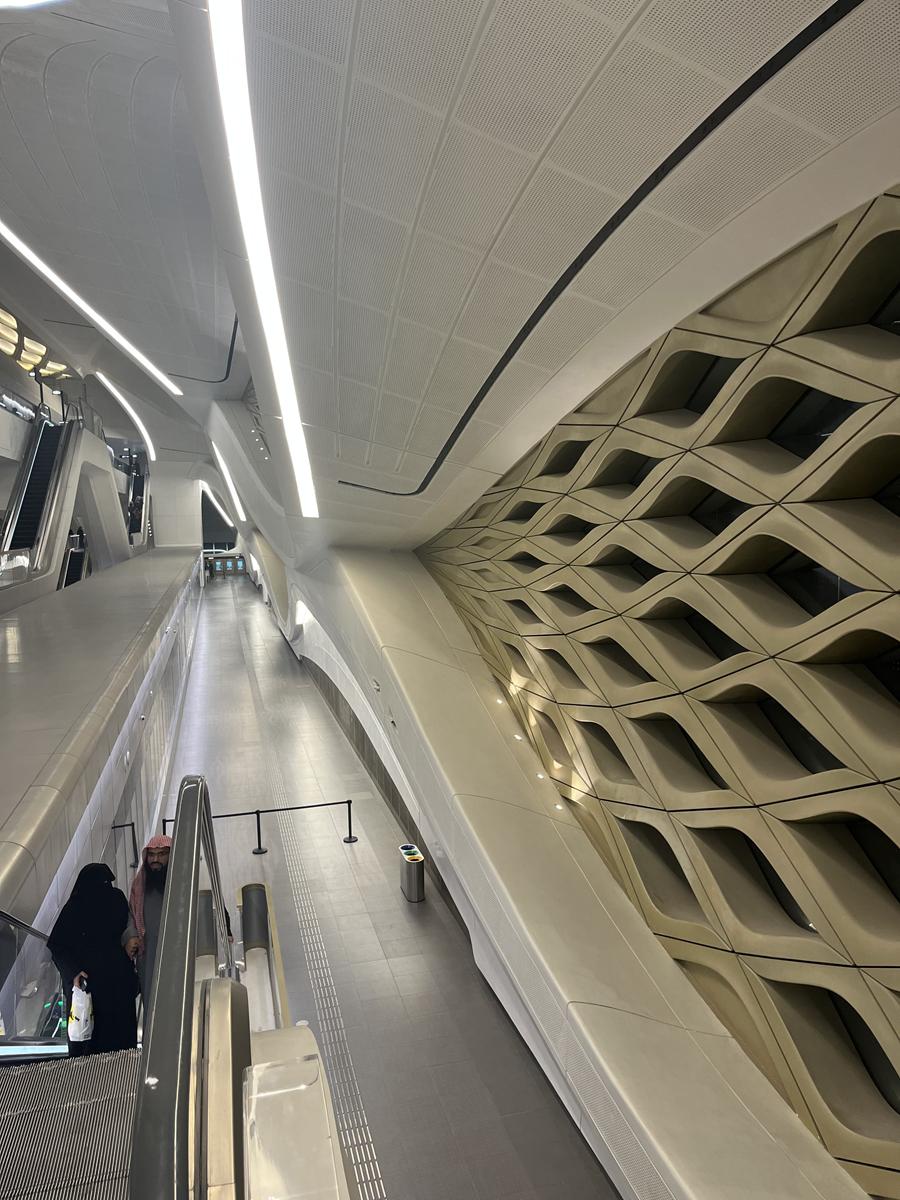
I explored Riyadh by metro, travelling from Al Olaya District to the KAFD (King Abdullah Financial District). The clean, modern, and efficient system highlights Saudi Arabia’s emphasis on future-oriented infrastructure. Unlike Budapest, metro stations here have turnstile gates, and tap-to-pay using a bank card allows seamless entry.
Riyadh, Saudi Arabia – travel report. Photo: Alpár KatóRiyadh, Saudi Arabia – travel report. Photo: Alpár KatóRiyadh, Saudi Arabia – travel report. Photo: Alpár Kató
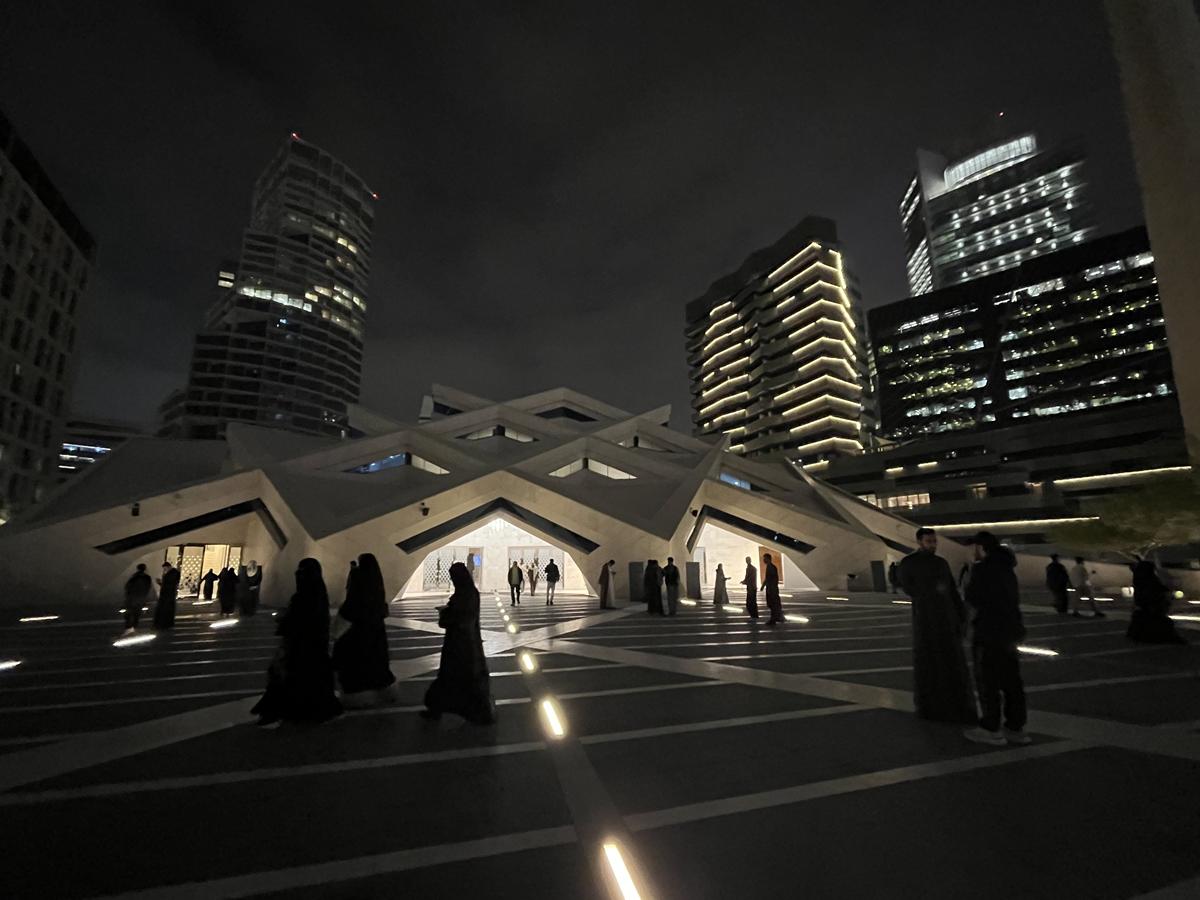
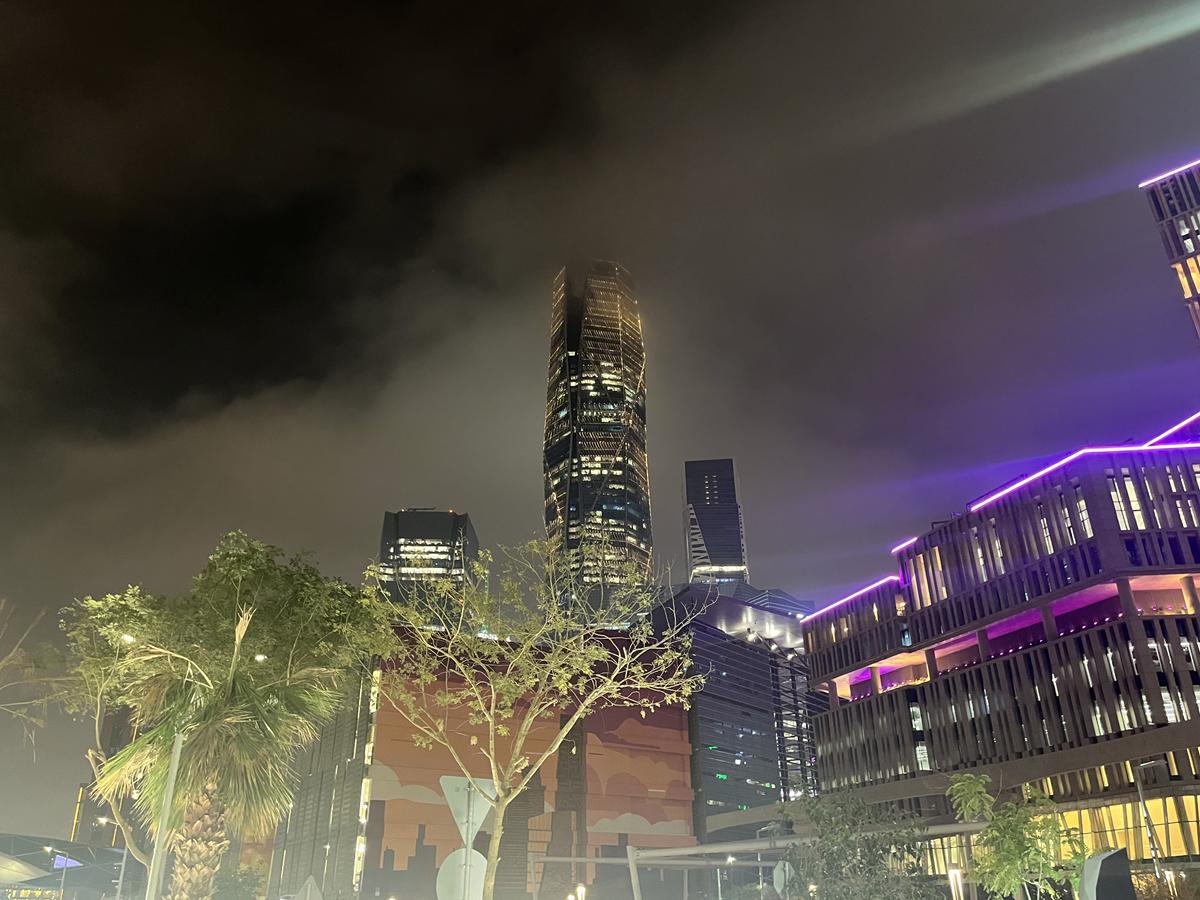
The KAFD district was stunning—it felt like stepping into a sci-fi city. Home to Riyadh’s tallest building, the 385-metre PIF Tower, the district’s futuristic glass and steel structures embody the ambition fuelling the city’s transformation. Even the mosques here feature captivating modern designs.
Riyadh, Saudi Arabia – travel report. Photo: Alpár KatóRiyadh, Saudi Arabia – travel report. Photo: Alpár KatóRiyadh, Saudi Arabia – travel report. Photo: Alpár KatóRiyadh, Saudi Arabia – travel report. Photo: Alpár KatóRiyadh, Saudi Arabia – travel report. Photo: Alpár KatóRiyadh, Saudi Arabia – travel report. Photo: Alpár Kató
Diriyah: a glimpse into the past
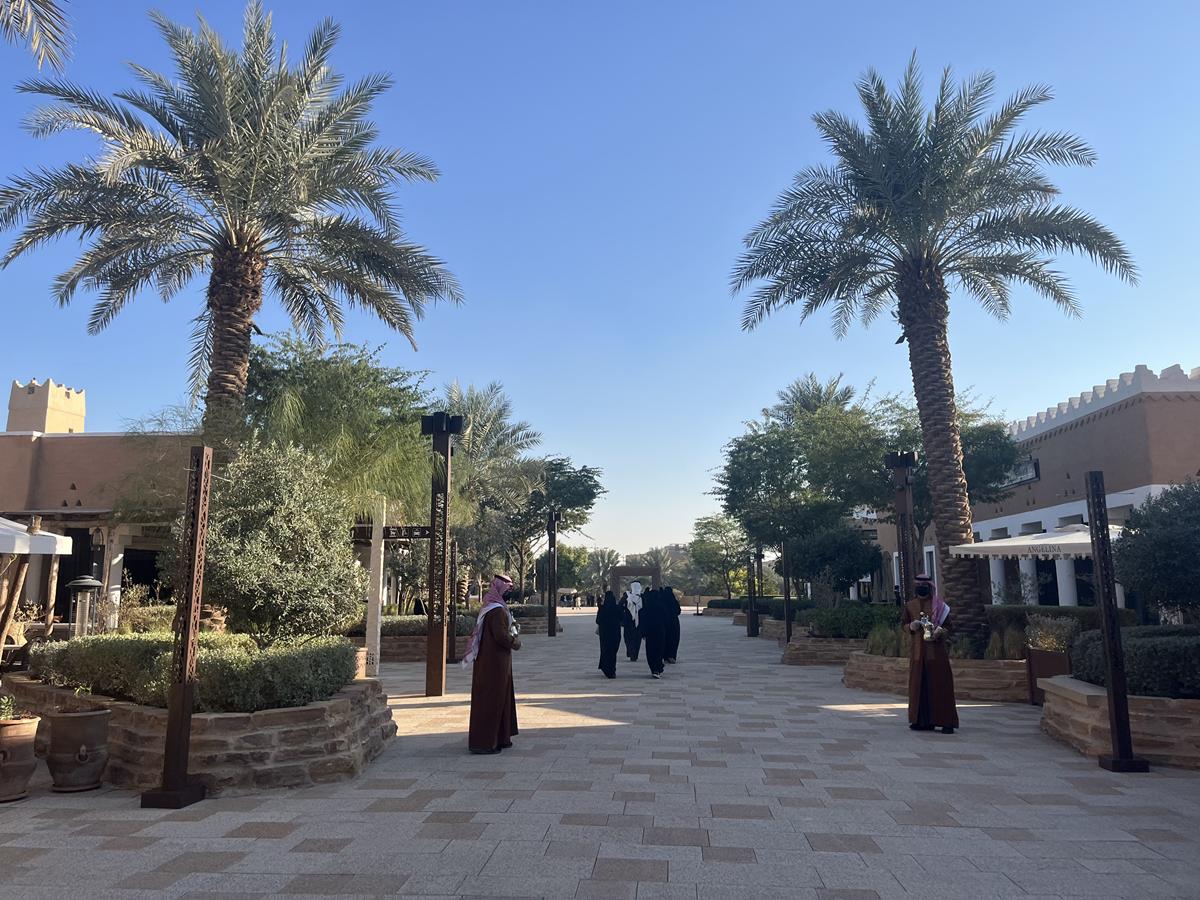
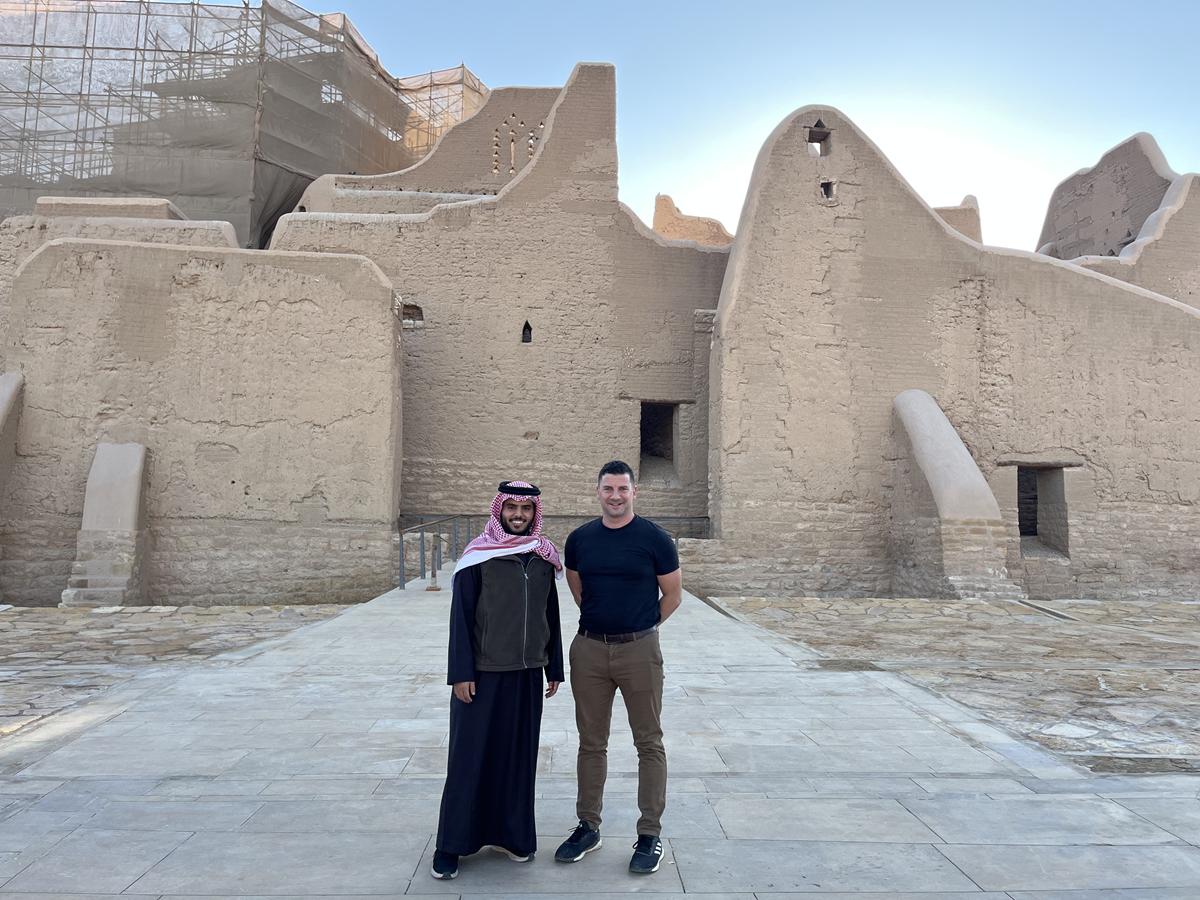
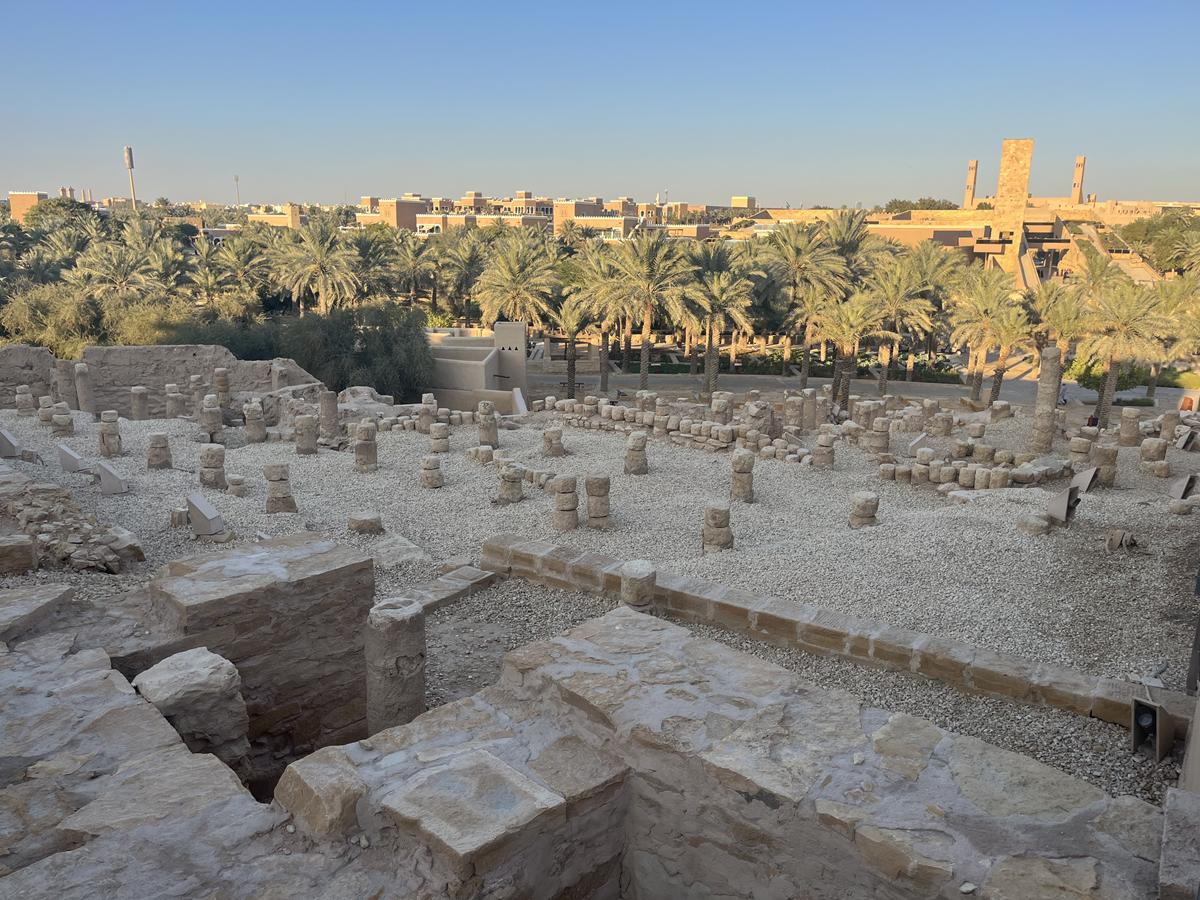
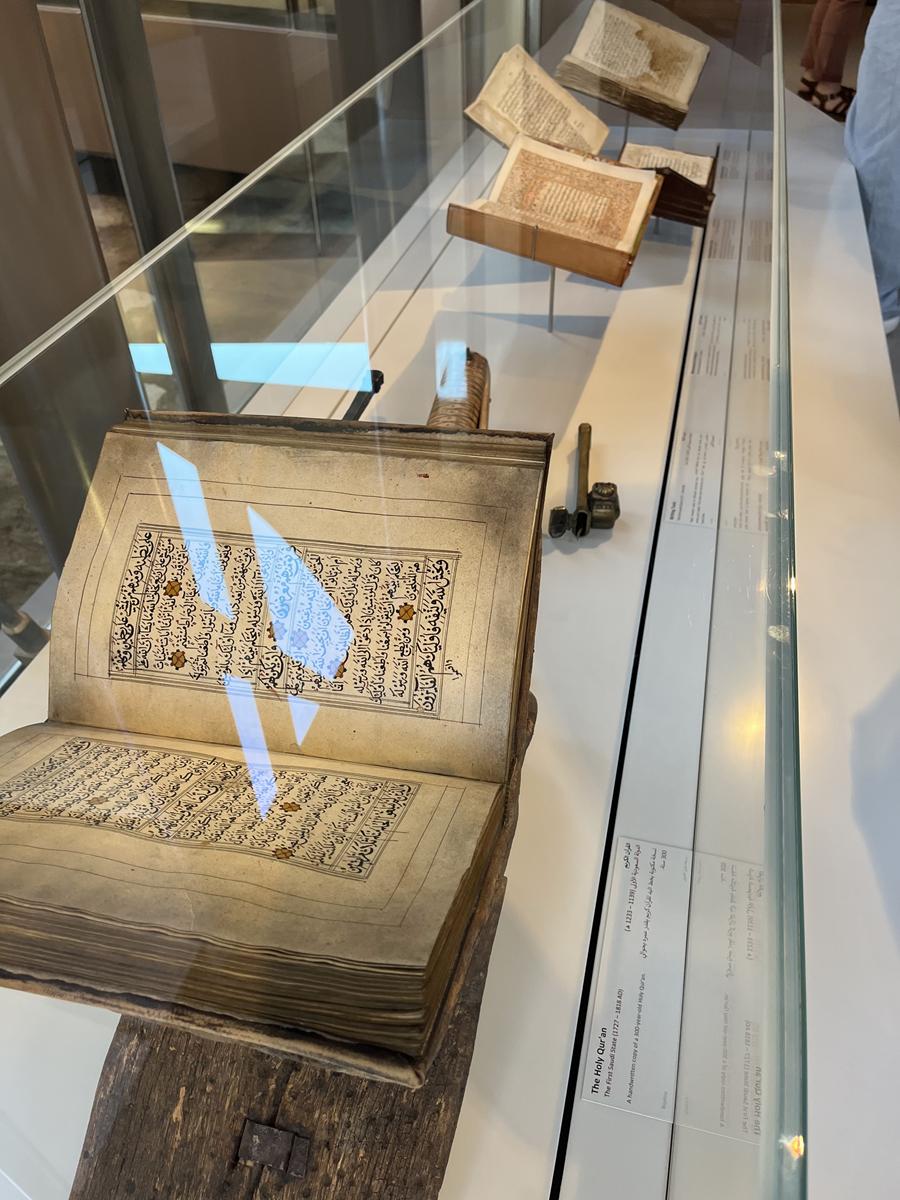
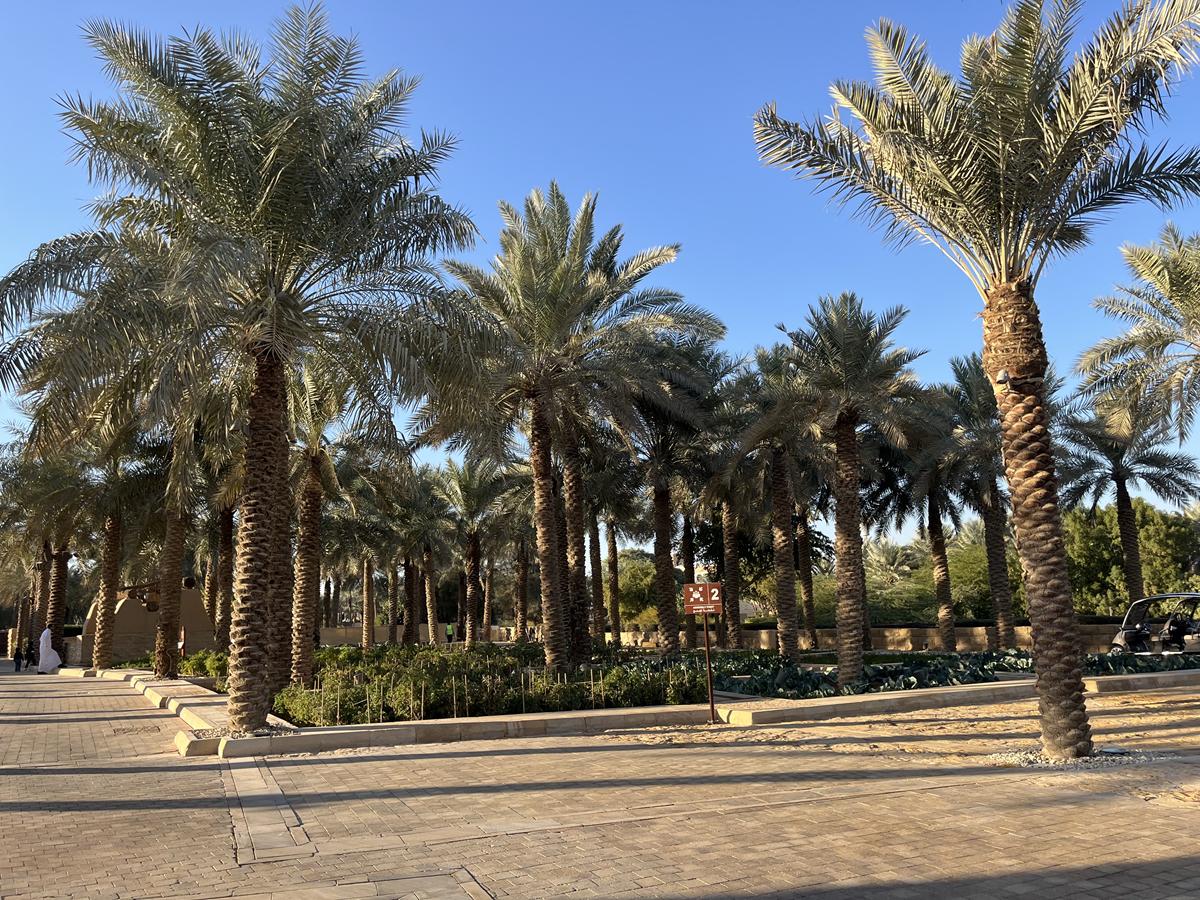
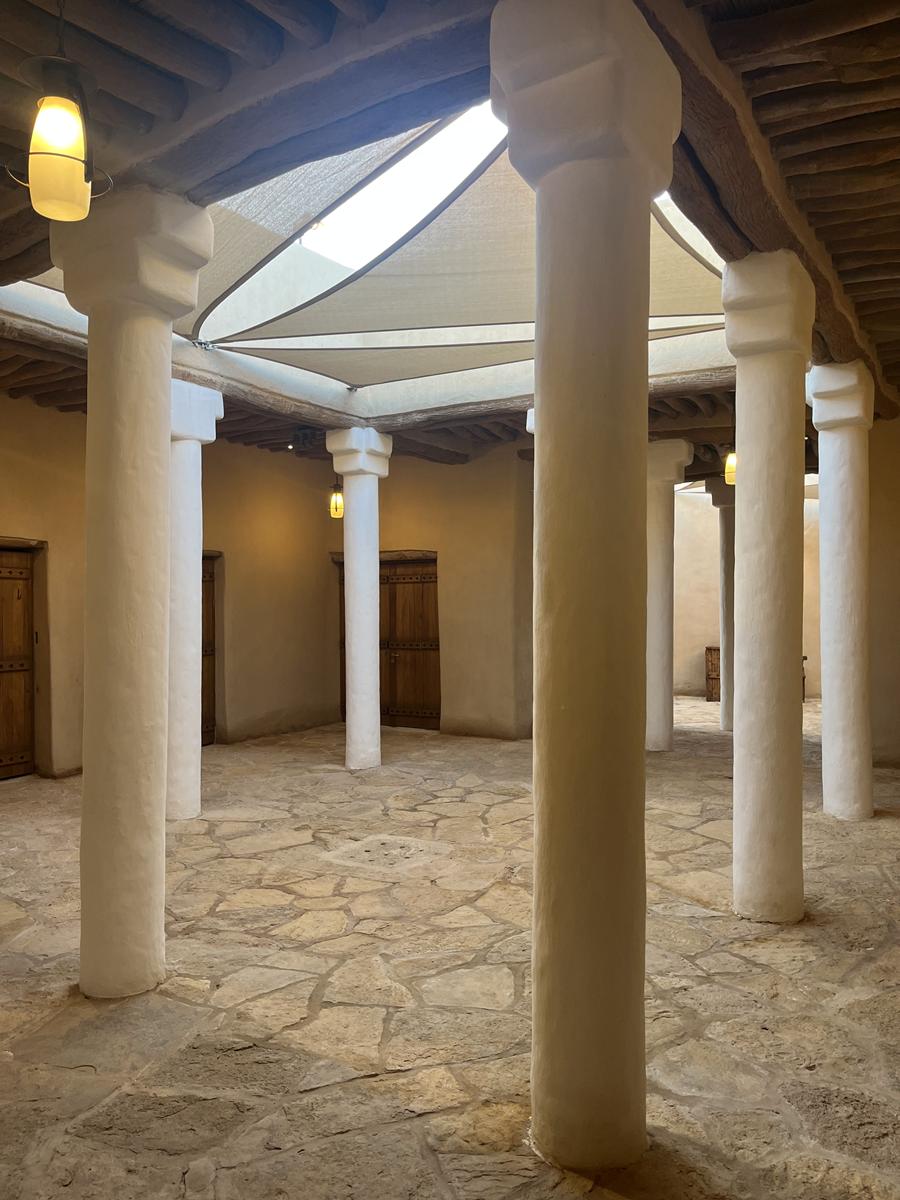
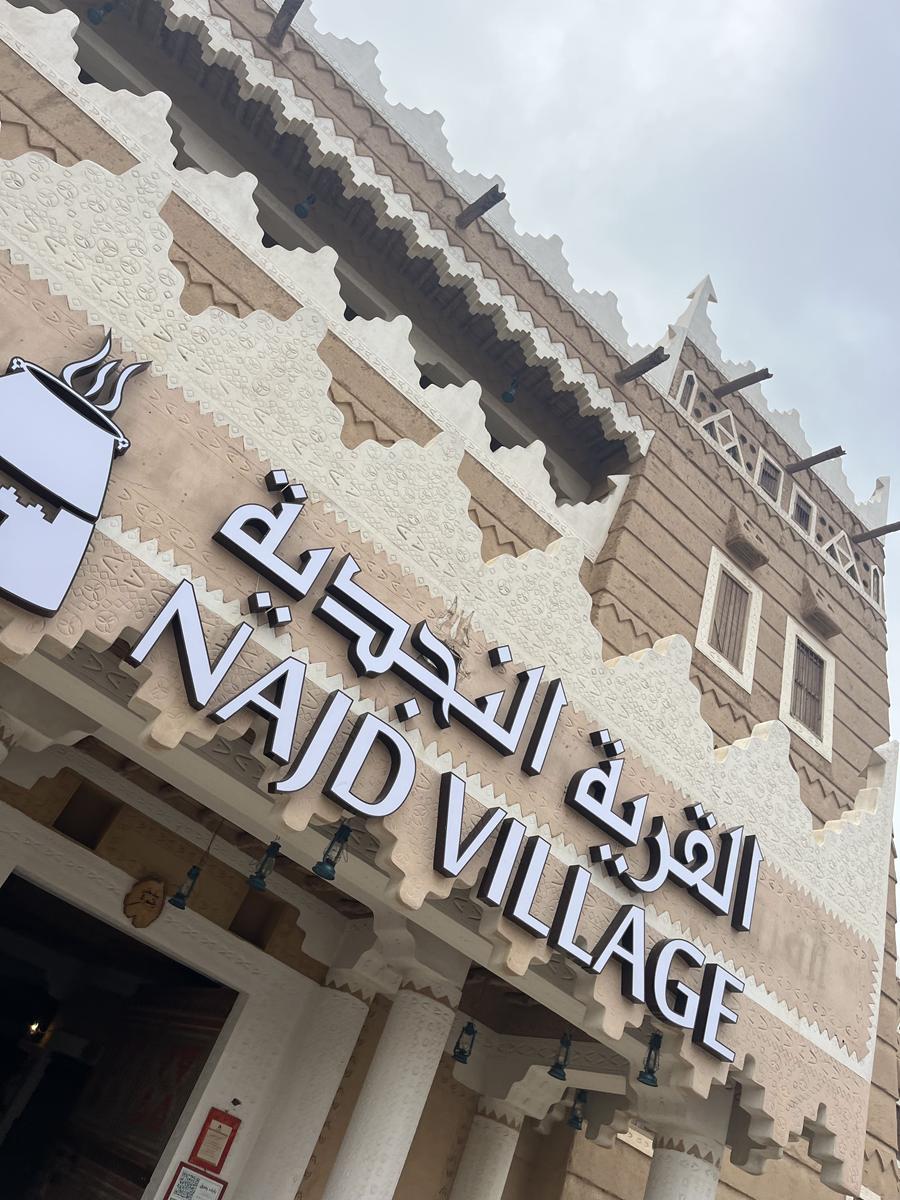
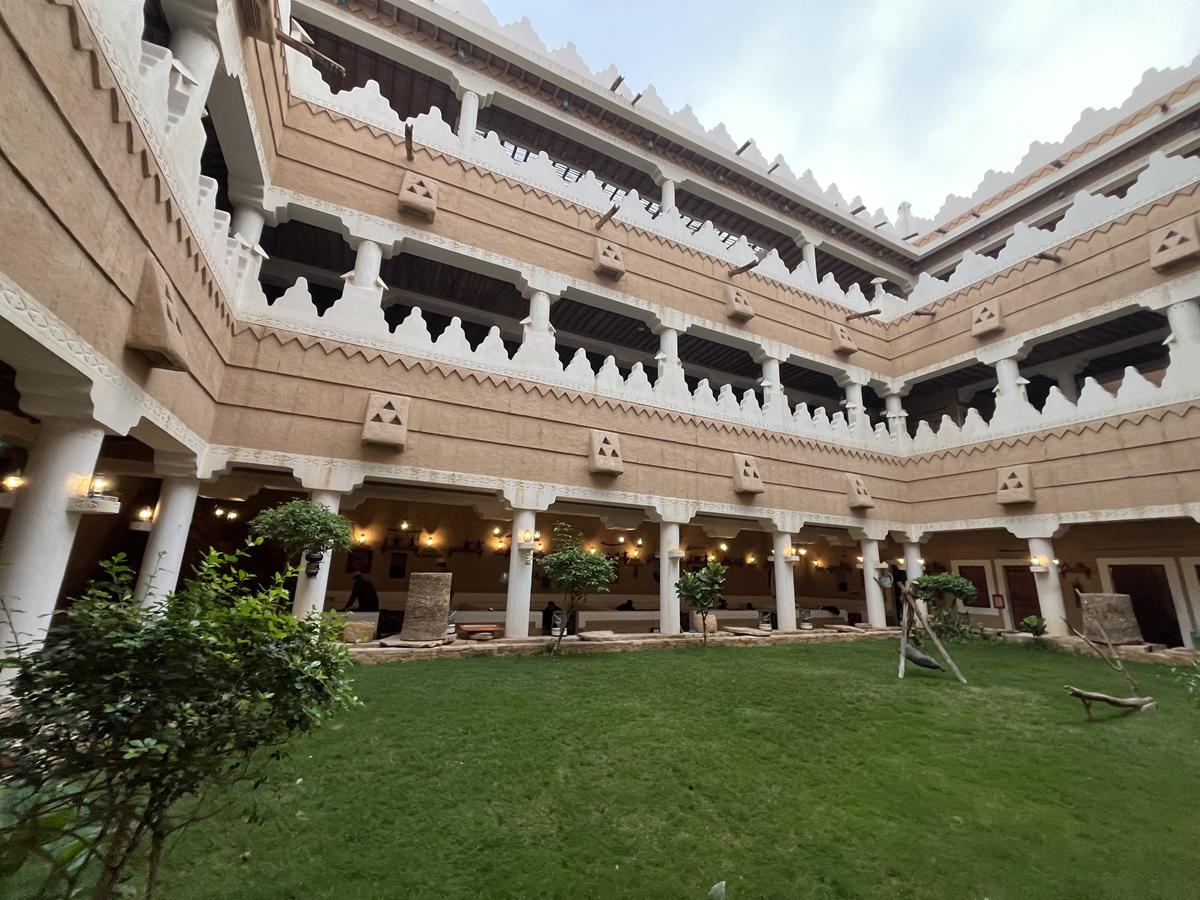
Beyond the modern skyline, Riyadh’s historical side is also worth exploring. A visit to the Diriyah historical district was like stepping back in time, with traditional mudbrick houses and courtyards telling the story of a bygone era. Once the first capital of the Saudi dynasty in the 18th century, Diriyah’s historic Turaif district is a UNESCO World Heritage Site. Restoration efforts under Vision 2030 aim to preserve these cultural treasures while enhancing them for tourism.
Riyadh, Saudi Arabia – travel report. Photo: Alpár KatóRiyadh, Saudi Arabia – travel report. Photo: Alpár KatóRiyadh, Saudi Arabia – travel report. Photo: Alpár KatóRiyadh, Saudi Arabia – travel report. Photo: Alpár KatóRiyadh, Saudi Arabia – travel report. Photo: Alpár KatóOptimized by JPEGmini 3.18.26.250256089-TBTBLNP 0x905c306bOptimized by JPEGmini 3.18.26.250256089-TBTBLNP 0x8c97c7daOptimized by JPEGmini 3.18.26.250256089-TBTBLNP 0x50dba82c
Boulevard City: a spectacle of modern entertainment
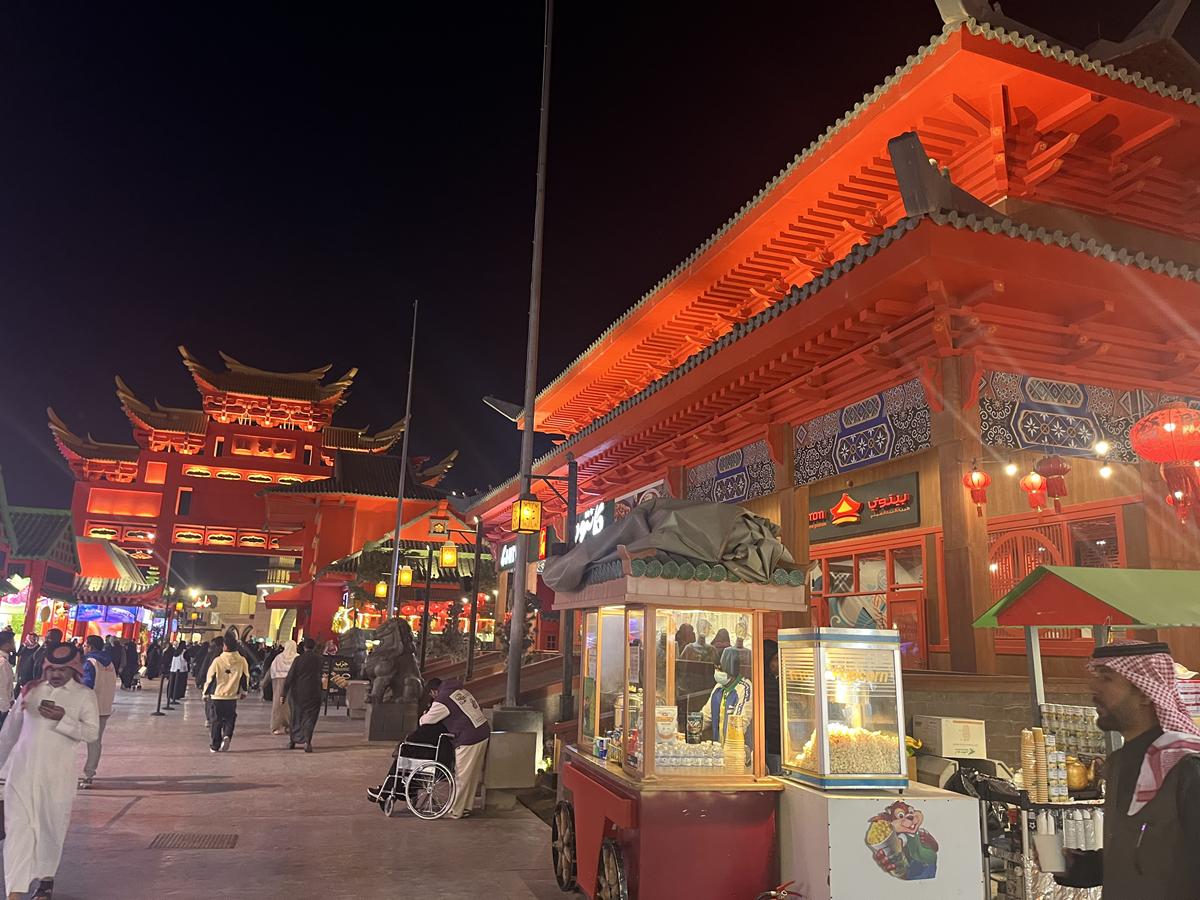
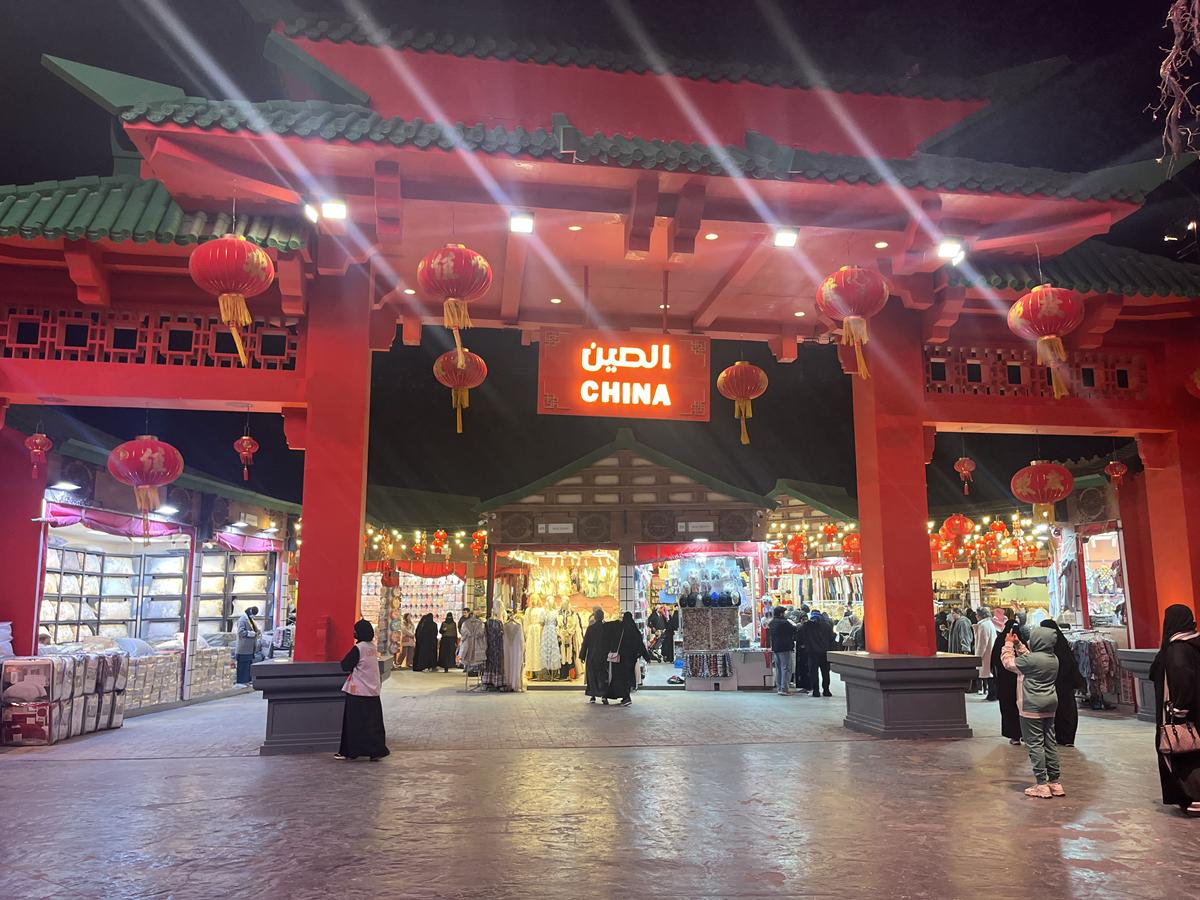
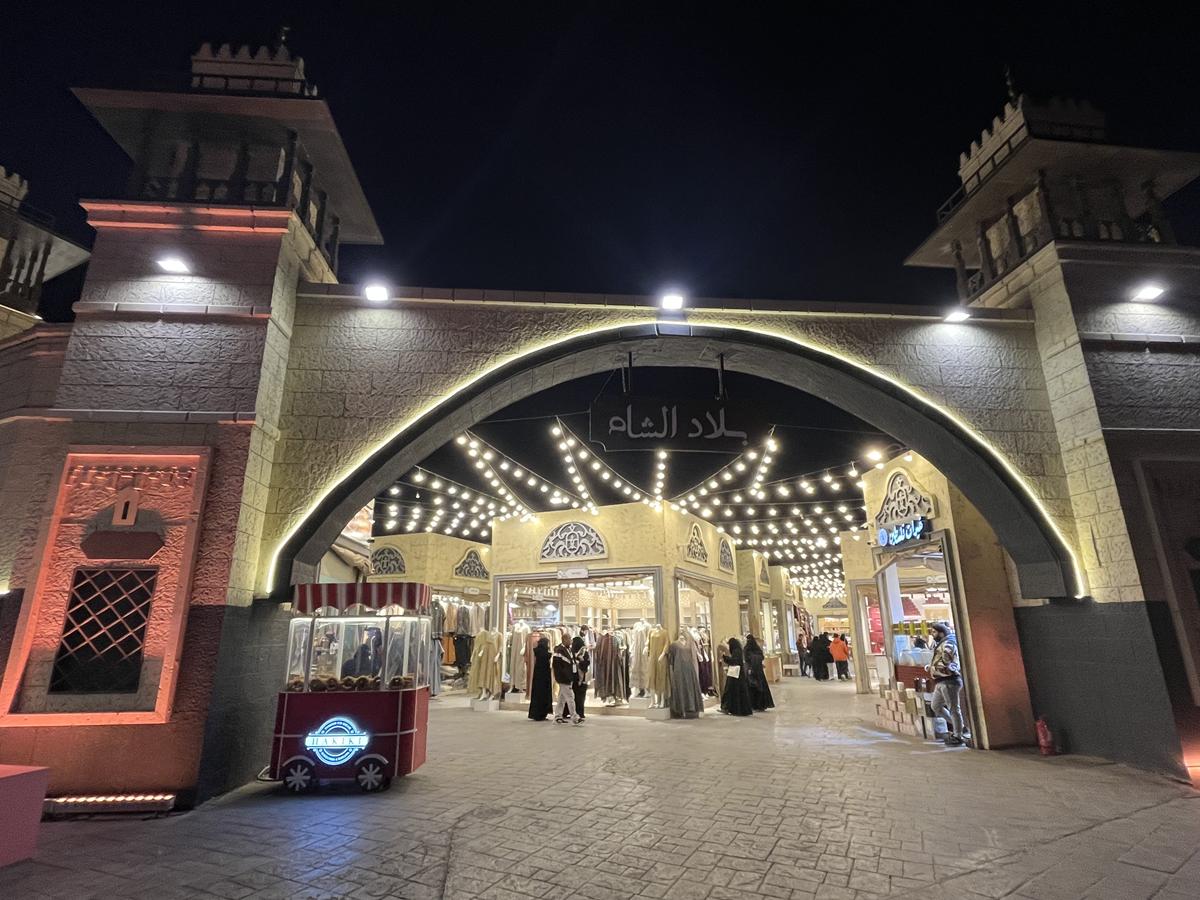
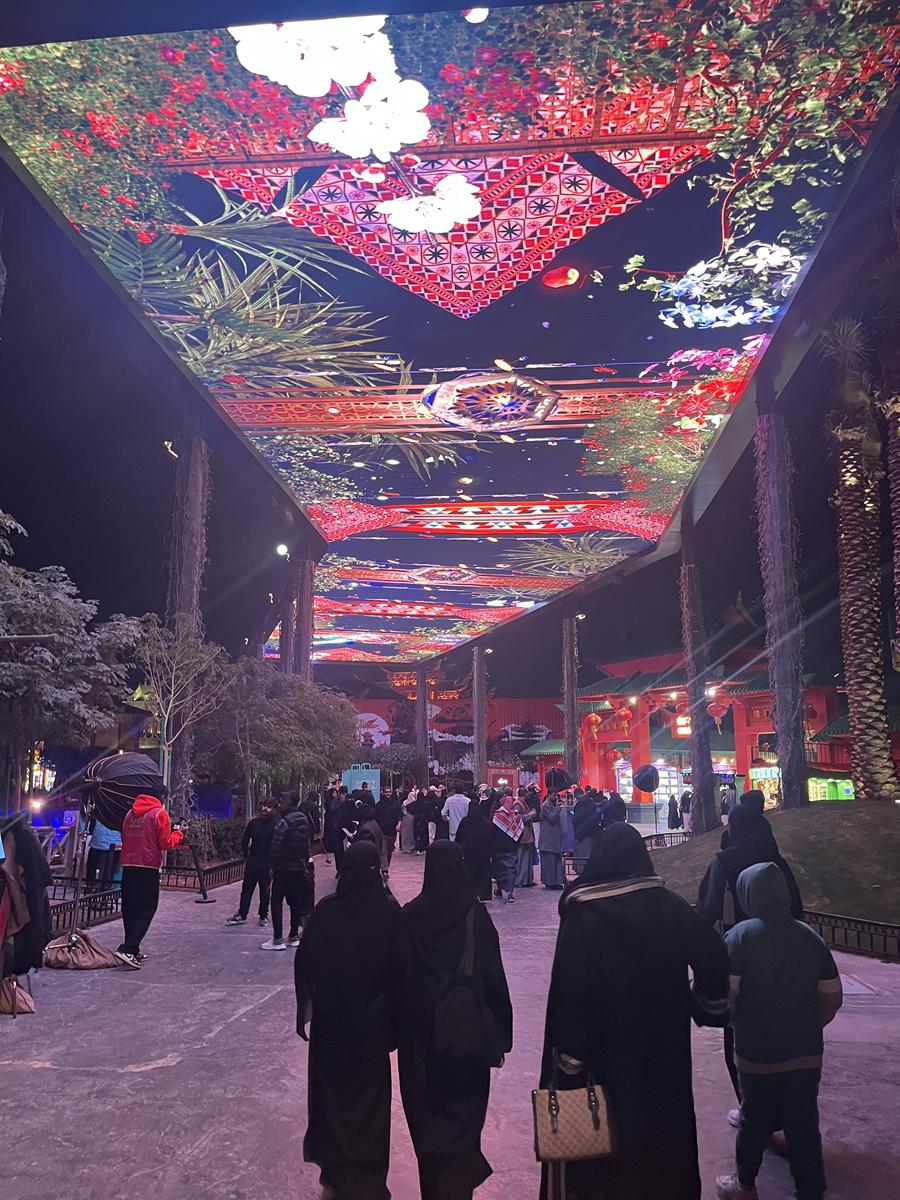
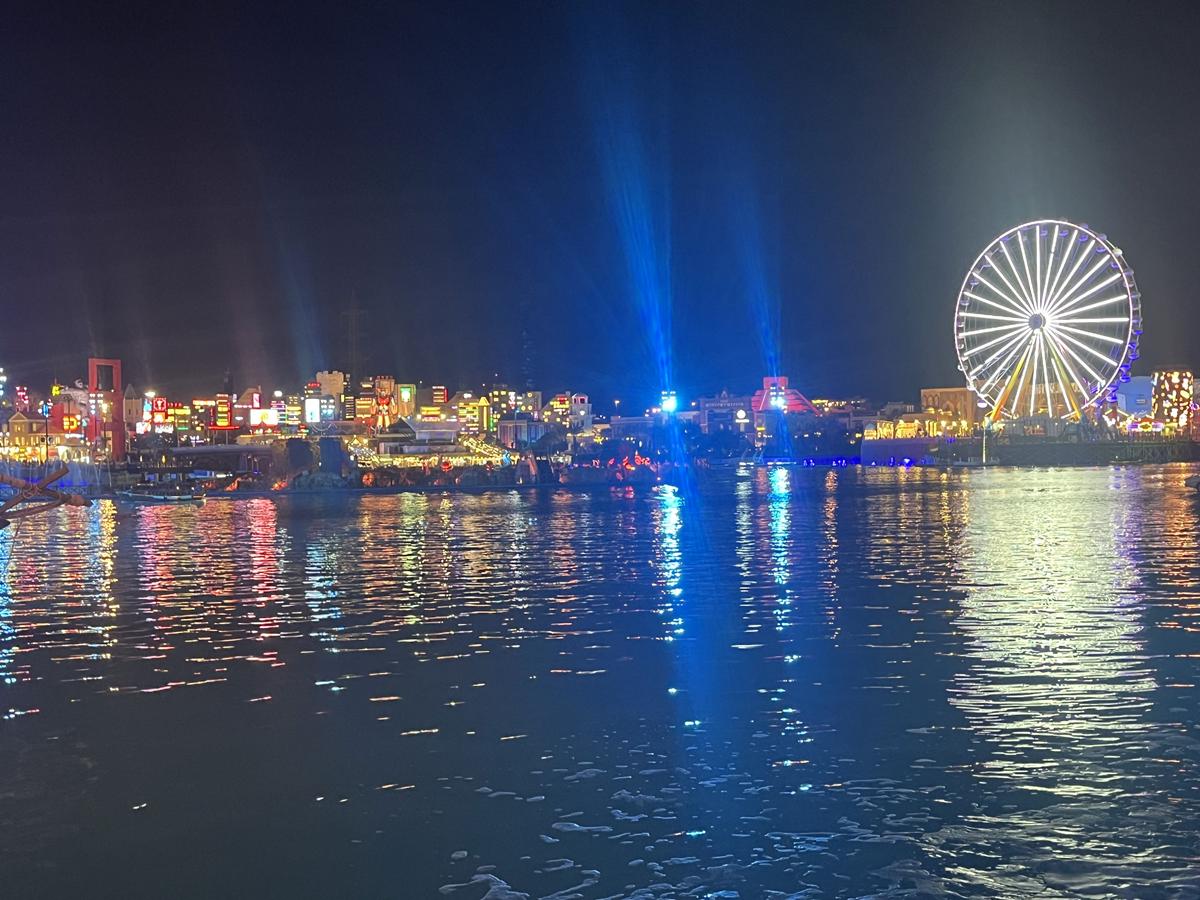
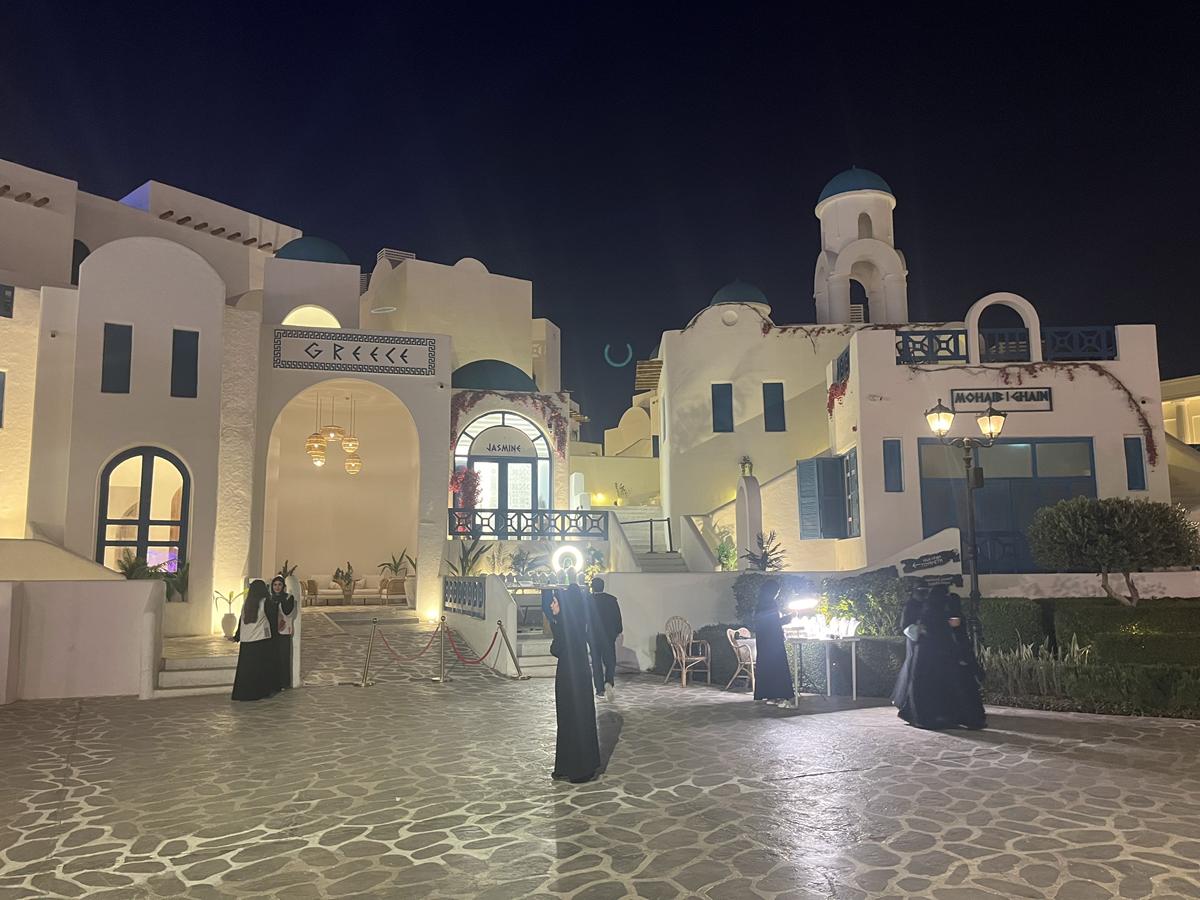
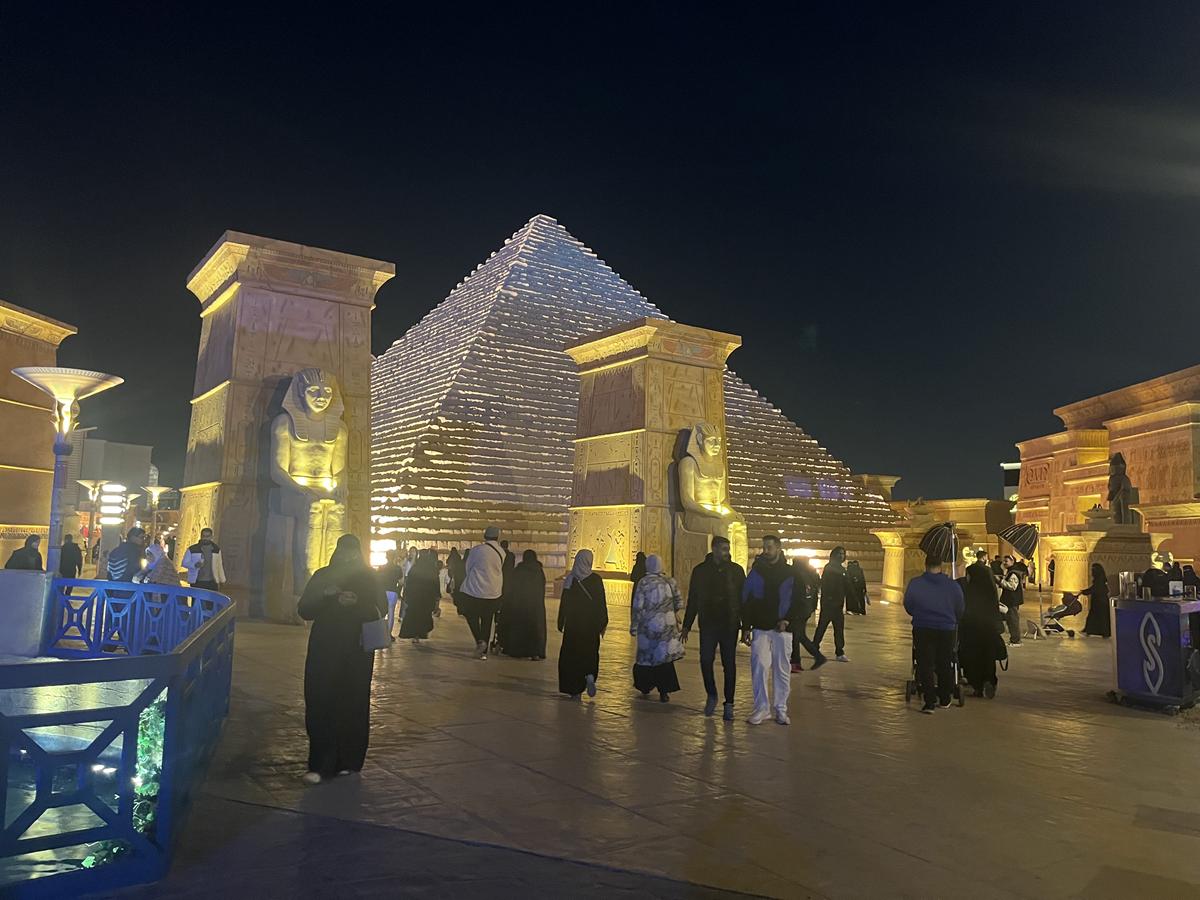
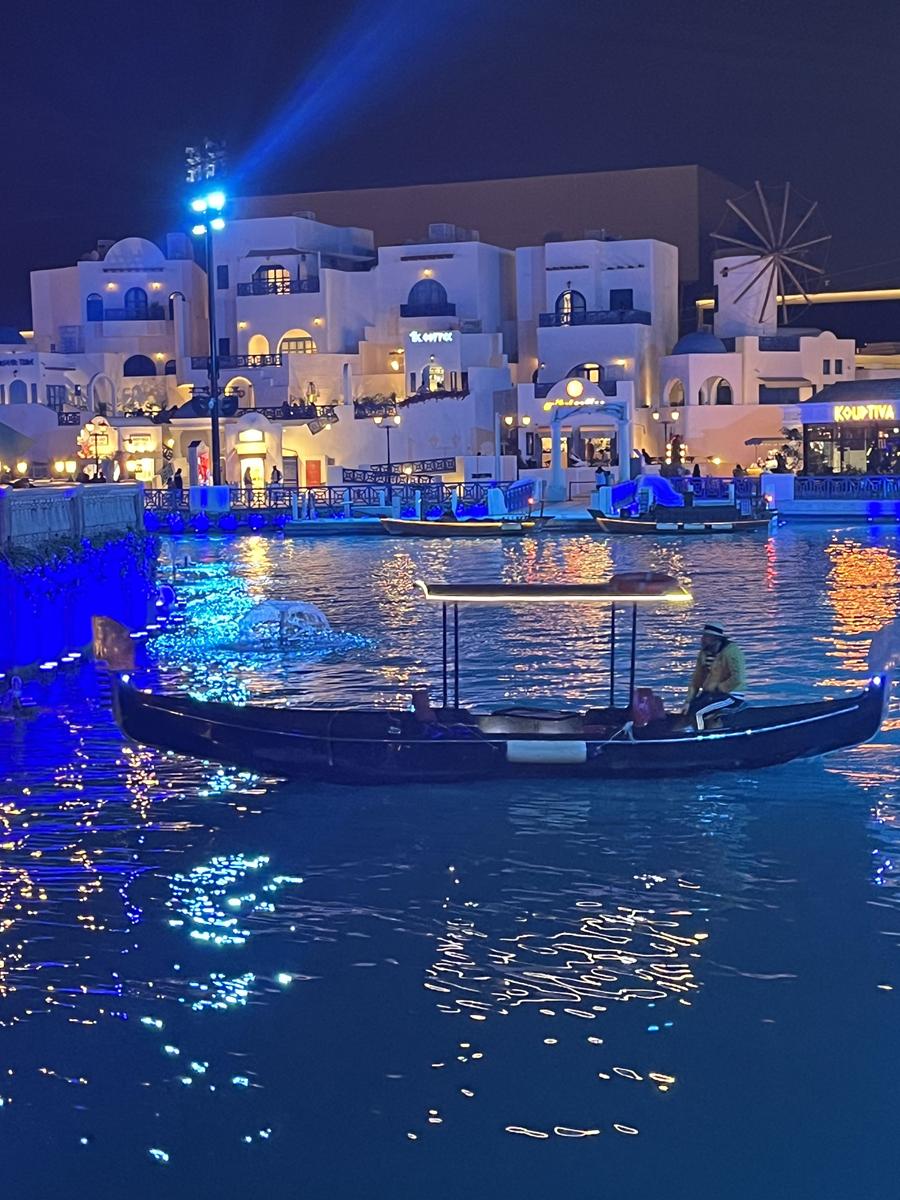
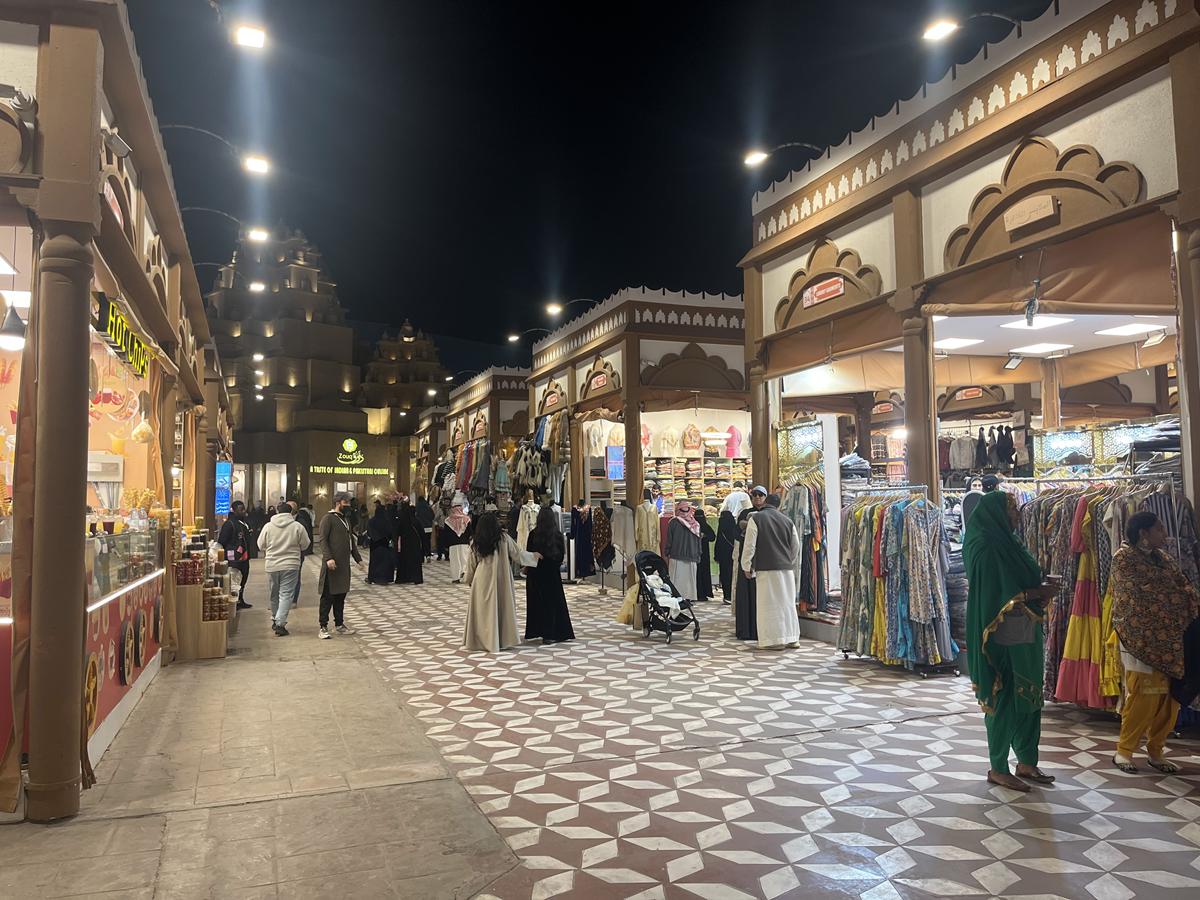
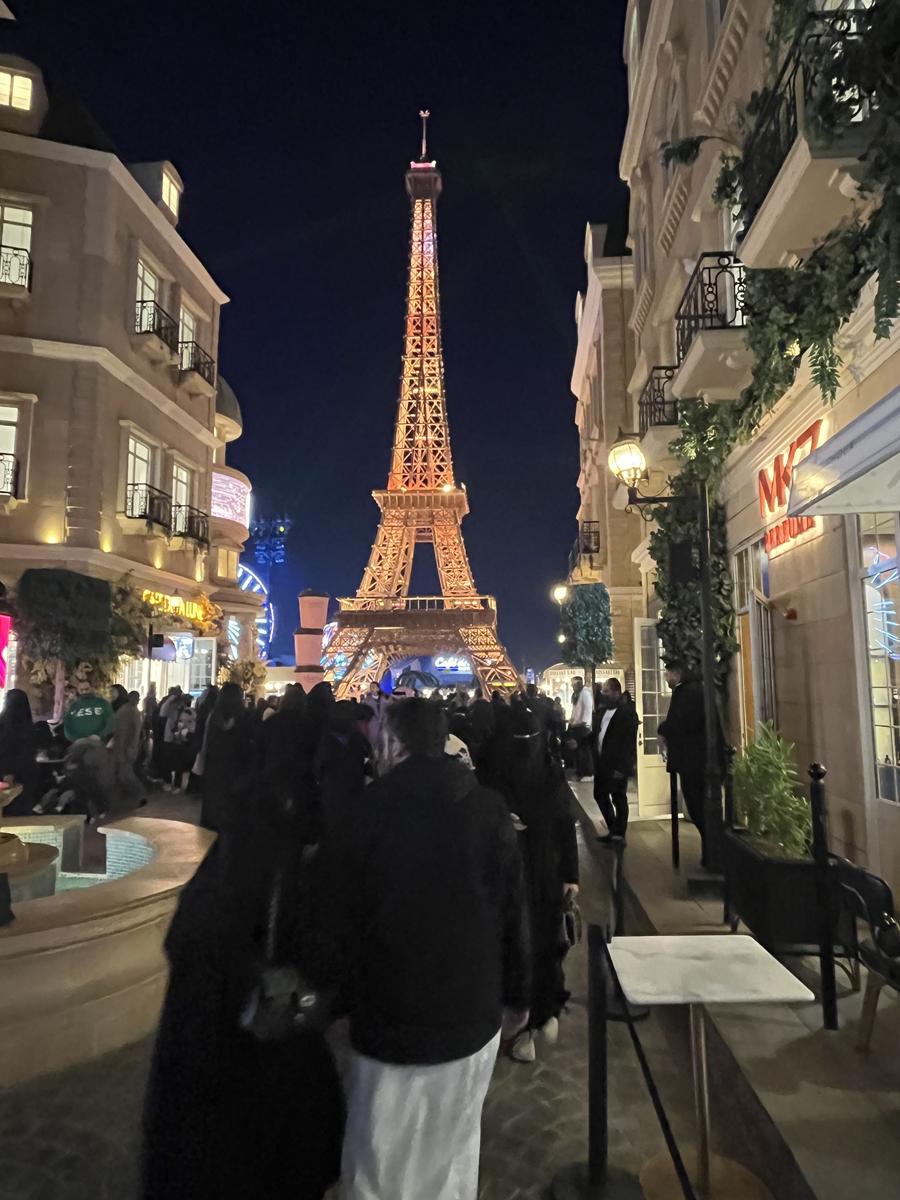
On the opposite end of the spectrum is Boulevard City, a dazzling hub of entertainment and culture. Featuring national pavilions representing countries such as the U.S., France, Greece, China, and Japan, the goal is to let visitors experience the essence of different cultures in one place. With ambitious plans for expansion, the venue aims to become a global attraction.
Riyadh, Saudi Arabia – travel report. Photo: Alpár KatóRiyadh, Saudi Arabia – travel report. Photo: Alpár KatóRiyadh, Saudi Arabia – travel report. Photo: Alpár KatóRiyadh, Saudi Arabia – travel report. Photo: Alpár KatóRiyadh, Saudi Arabia – travel report. Photo: Alpár KatóRiyadh, Saudi Arabia – travel report. Photo: Alpár KatóRiyadh, Saudi Arabia – travel report. Photo: Alpár KatóRiyadh, Saudi Arabia – travel report. Photo: Alpár KatóRiyadh, Saudi Arabia – travel report. Photo: Alpár KatóRiyadh, Saudi Arabia – travel report. Photo: Alpár Kató
Local cuisine and travel tips
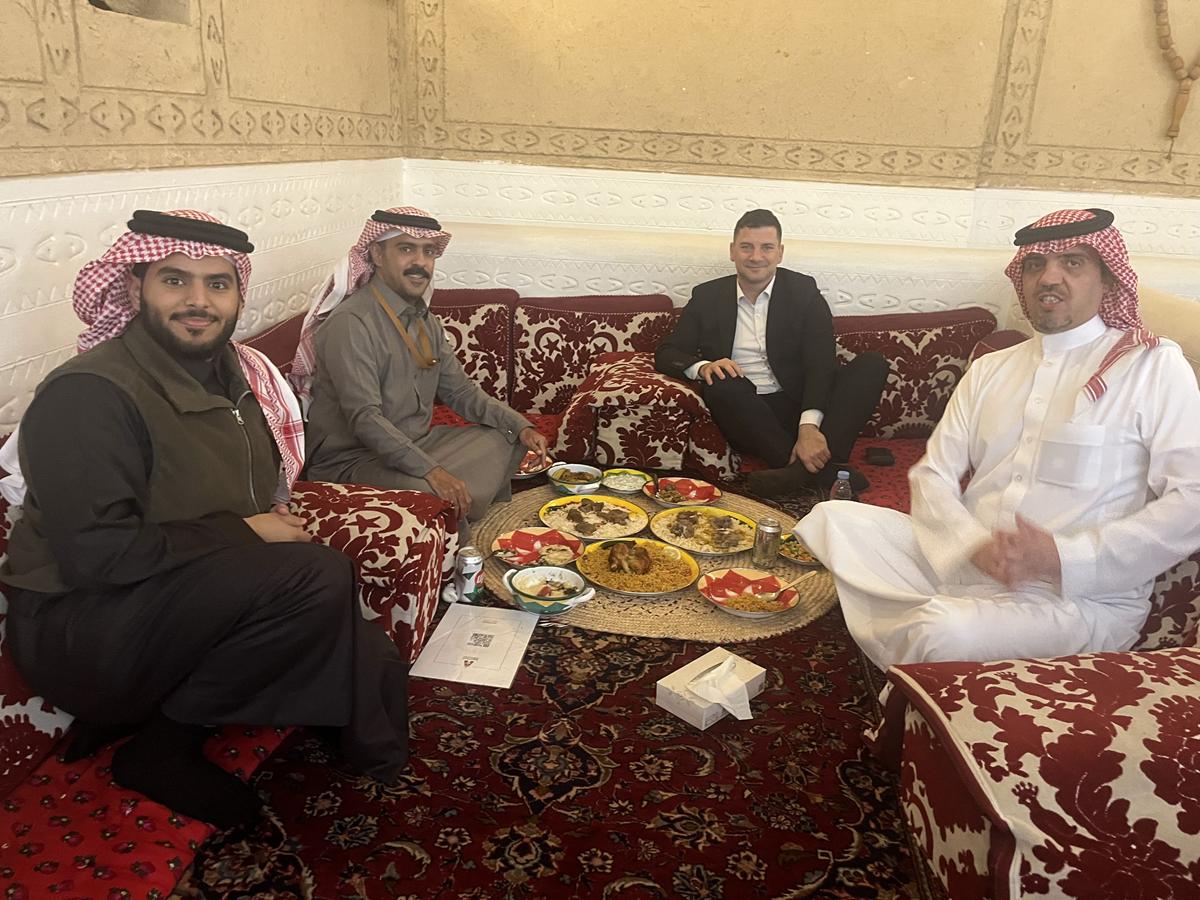
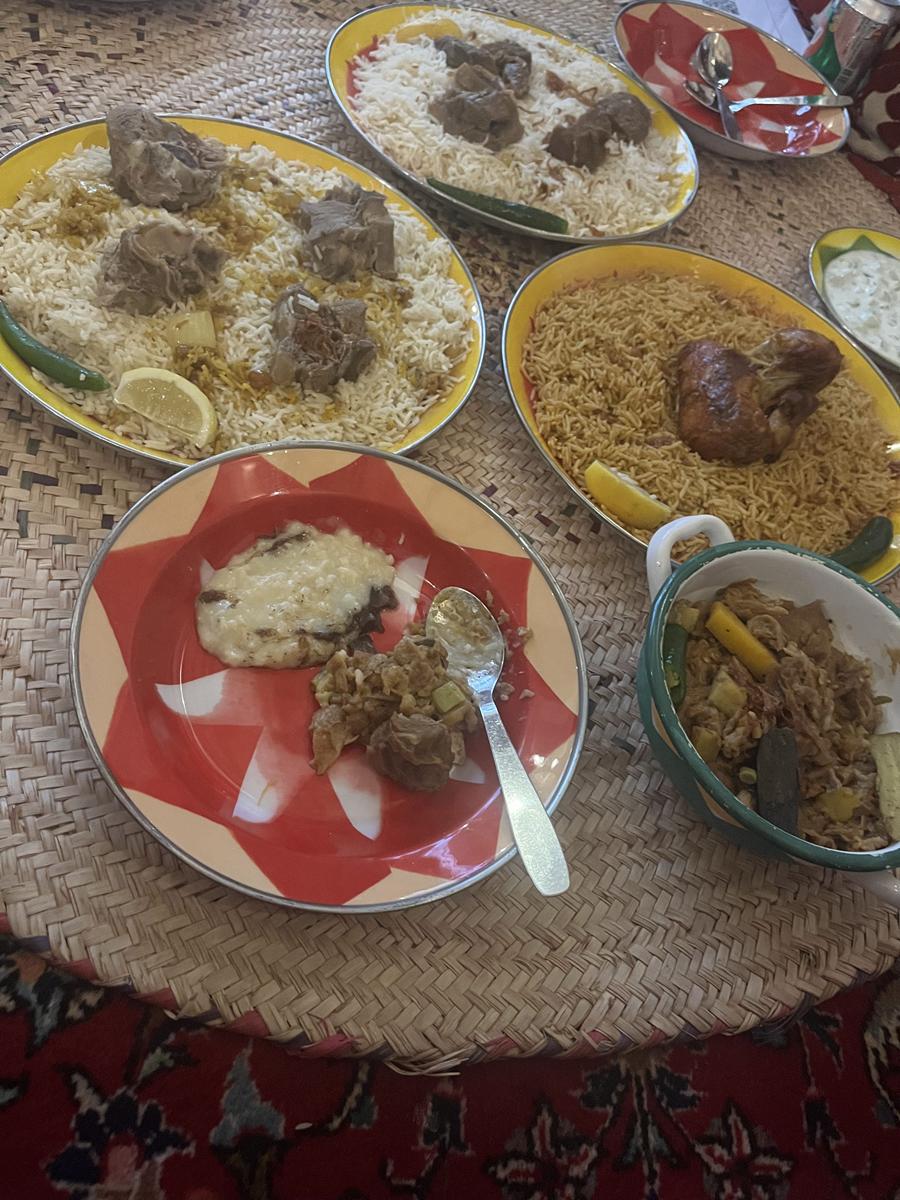
Saudi cuisine is an interesting mix of flavours, with kabsa (spiced rice with chicken or lamb) being a staple dish. Other highlights include mandi (slow-cooked meat in an underground oven), jareesh (a creamy wheat, yoghurt, and onion dish), and qursan (a layered bread-based dish). Interesting street food options include mutabbaq, a filled and folded pastry, and harees, a wheat and meat porridge.
Riyadh, Saudi Arabia – travel report. Photo: Alpár KatóRiyadh, Saudi Arabia – travel report. Photo: Alpár KatóRiyadh, Saudi Arabia – travel report. Photo: Alpár KatóRiyadh, Saudi Arabia – travel report. Photo: Alpár KatóRiyadh, Saudi Arabia – travel report. Photo: Alpár KatóRiyadh, Saudi Arabia – travel report. Photo: Alpár Kató
In terms of safety, Saudi Arabia is considered one of the more secure countries thanks to strict enforcement of Islamic law. The strong police presence ensures order, and social and religious values emphasise charity and community well-being.
The official currency is the Saudi riyal (SAR), with roughly 1 SAR equalling 100 Hungarian forints. Credit card payments are accepted almost everywhere, but having cash on hand is advisable. Internet access, including 5G, is readily available, although roaming charges from foreign providers can be exorbitant—purchasing a local SIM card upon arrival is recommended.
Conclusion
After my time in Riyadh, I came away with deep admiration for the city’s unique blend of history and progress. Whether you are admiring futuristic skyscrapers, exploring UNESCO-listed heritage sites, or engaging with the warm and hospitable locals, Riyadh presents a fascinating landscape of contrasts. With the upcoming EXPO 2030 and the 2034 FIFA World Cup, Riyadh is set to gain even more prominence as a travel destination. If you are seeking an experience far removed from European and Western cultures, the Saudi capital is well worth a visit.
To read or share this article in Hungarian, click here: Helló Magyar