Guest workers could bring a deadly virus back to Hungary, warns head of agricultural company – UPDATED

Change language:
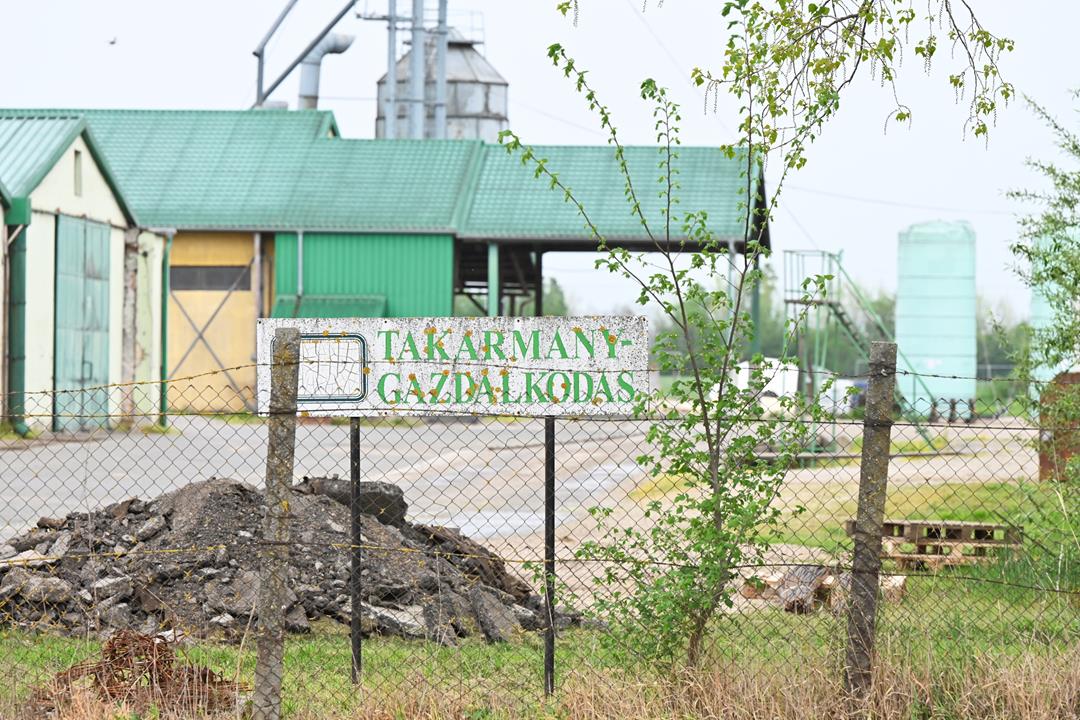
Szabolcs Bóna, director of Rábapordány Agricultural Co., says Turkish guest workers may bring the virus back this summer, as foot-and-mouth disease is currently spreading rapidly in Türkiye. The farm suffered devastating losses from this year’s outbreak, and the promised government assistance has yet to arrive. He also reported drone activity over the estate at the height of the outbreak and has filed a formal complaint.
Bóna warns Turkish guest workers may reintroduce virus
Foot-and-mouth disease is spreading aggressively in Türkiye, prompting local authorities there to impose strict containment measures. The virus resurfaced in Hungary this spring after a 52-year absence, causing widespread damage to farms and triggering heated local disputes—especially around the reopening of mass animal burial sites.
Zoltán Bóna, director of Rábapordány Agricultural Co., said his guest workers are due to return to Türkiye shortly. Upon returning to Hungary, he fears guest workers could reintroduce the disease through food products made from infected animal materials.
Earlier, Hungarian agricultural economist György Raskó suggested that guest workers might have introduced the FMD virus to Hungary.
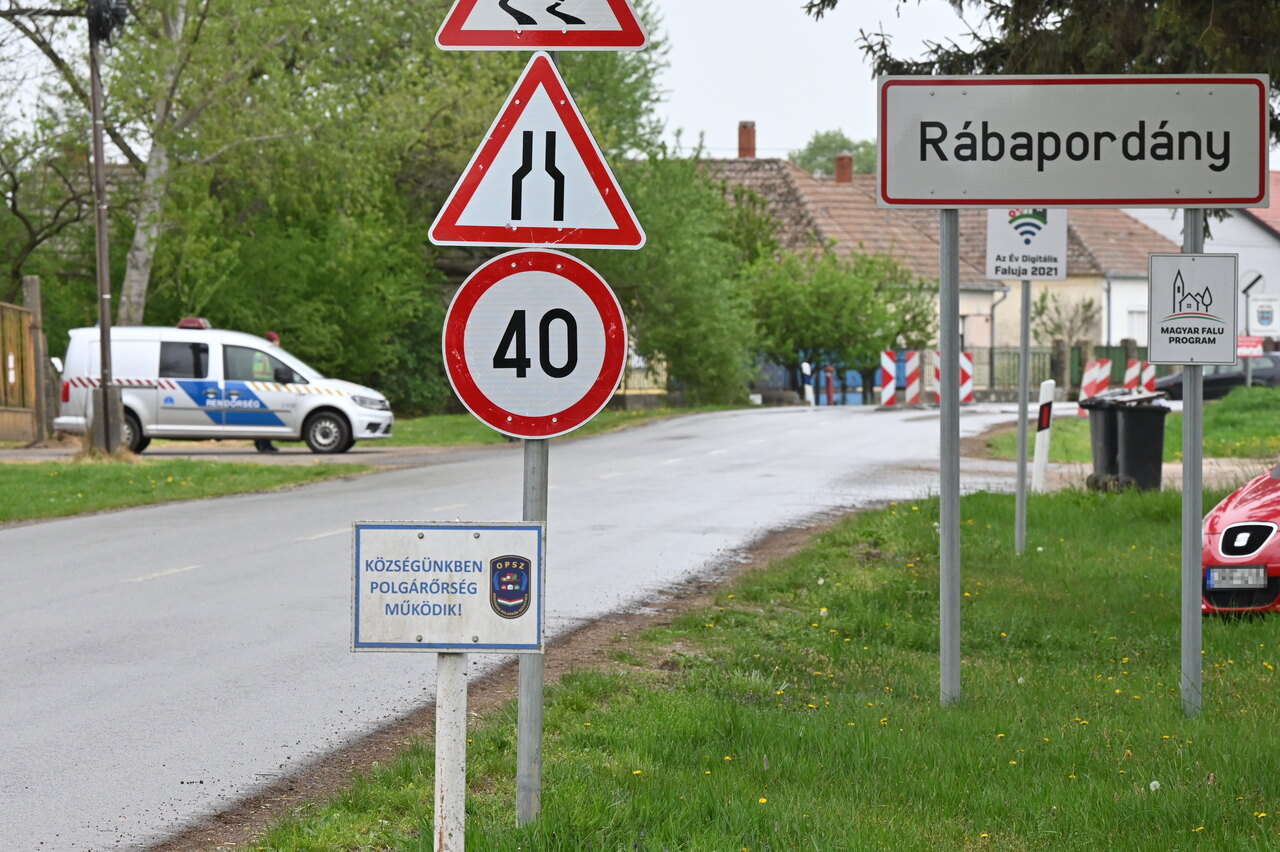
Bóna described in detail the extensive measures taken at their facilities when outbreaks loomed nearby and in Slovakia. According to him, even the National Food Chain Safety Office (Nébih) acknowledged that the company did everything it could. Despite this, the virus appeared at their site, forcing the culling of 10,000 pigs and 875 cattle.
Drone activity over the farm
Bóna has a theory on how the virus may have reached Rábapordány. In early April, a witness reported drone activity over the farm. Based on this, a report was filed with the National Bureau of Investigation.
He lamented that, despite numerous government promises, his farm hasn’t received a single forint in compensation for what he estimates to be billion-forint losses. The case is being handled by the government office, where progress has been painfully slow. Immediate financial aid could have helped them recover more quickly, he noted. Instead, they have had to sell off their livestock during negotiations, while farms in Kisbajcs only just received partial compensation decisions last week.