Hungary urgently needs guest workers as rules tighten: here’s what they can now earn

Change language:
Hungary is currently home to around 120,000 foreign guest workers, with Ukrainian nationals making up the largest group—approximately 40,000. Vietnamese, Serbian, and Filipino workers also represent a notable share. According to experts interviewed by Pénzcentrum, Hungary has a tightly regulated system for employing foreign labor, yet more and more companies are turning to international workers due to an ongoing labor shortage.
Who’s working in Hungary, and for how much?
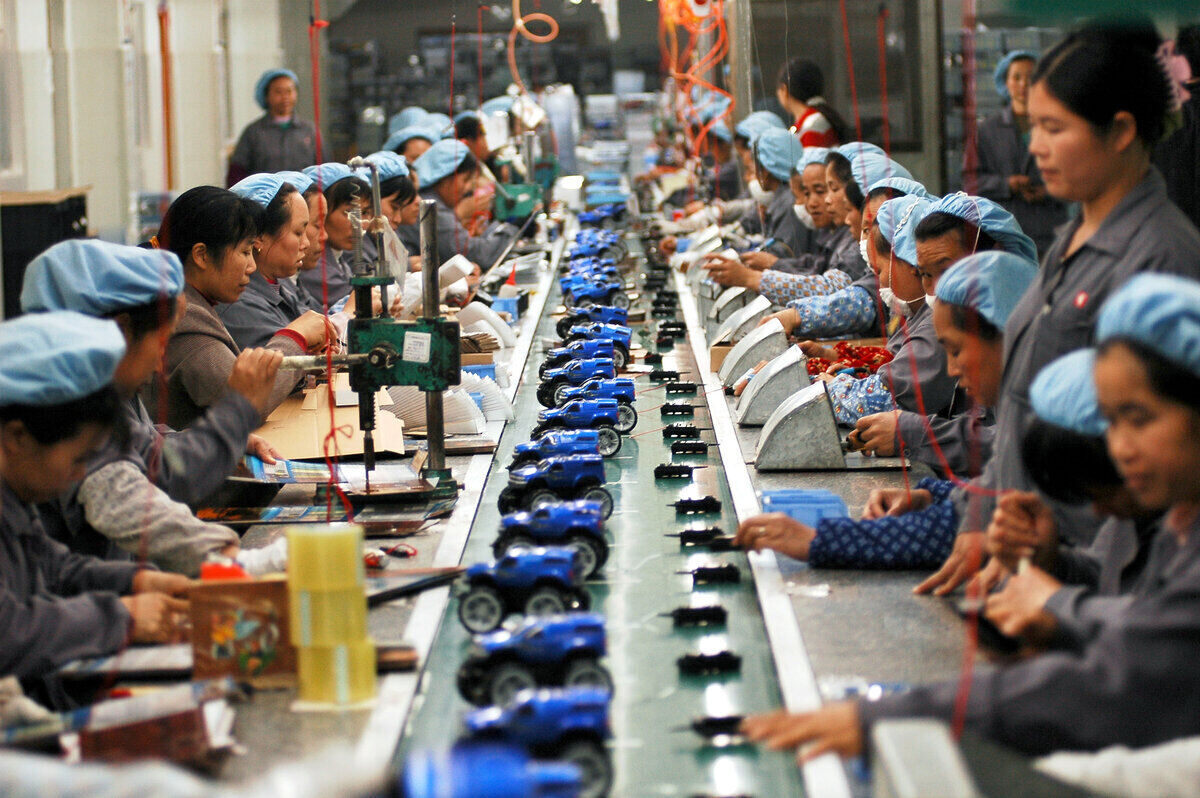
Most guest workers in Hungary find jobs in manufacturing—especially in the auto, electronics, and chemical industries—as well as in construction and hospitality. According to Pénzcentrum, a recent job fair in the Philippines offered Hungarian positions such as machine operator, welder, and hotel staff, with salaries ranging from EUR 700 to 1,000. The event drew such strong interest that it quickly reached capacity.
Foreign workers pay the same taxes and contributions as Hungarian employees, directly supporting state revenues. However, a key difference is that while Filipino workers often see Hungary as a temporary stop, Ukrainian employees tend to settle for the longer term.
Why are guest workers needed?
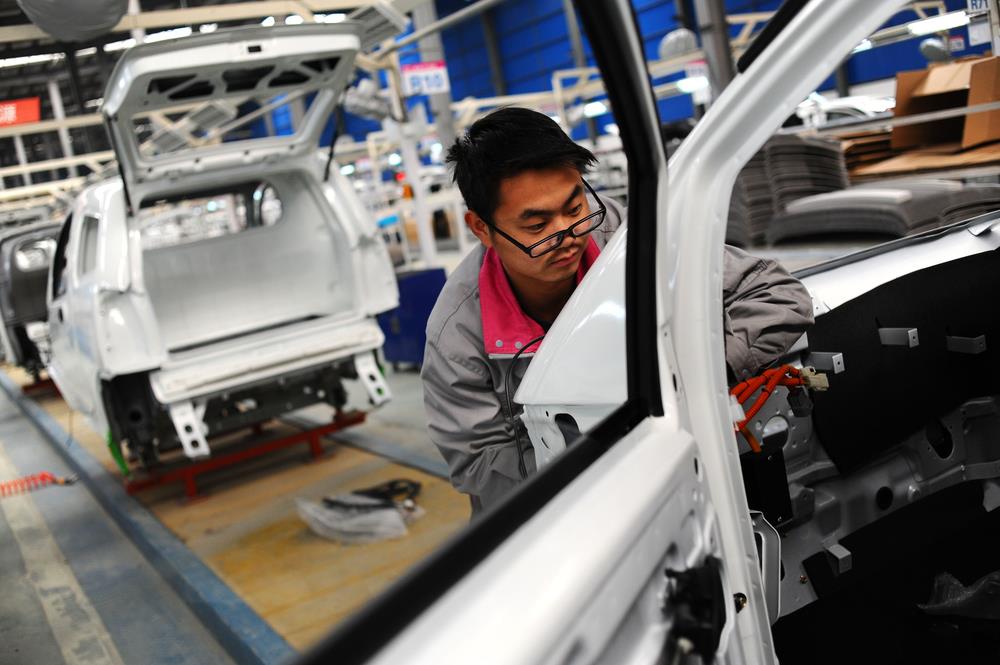
The manufacturing sector has struggled for years with severe labor shortages, especially for manual and skilled labor positions. The country’s demographic trends are making the problem worse, with the working-age population shrinking by some 15,000 people annually. Many Hungarians choose not to pursue physically demanding jobs or seek opportunities abroad. As a result, even after multiple recruitment attempts, companies frequently find themselves unable to hire enough local workers—leaving foreign labor as the only solution for maintaining operations.
The goal is not to replace Hungarian workers, emphasised Katalin De Cordt-Bor, managing director at Humán Centrum, but to fill roles that have gone unfilled for years.
Ideally, domestic jobseekers should be given priority. But if that proves unsuccessful, foreign hires may be brought in—typically through staffing agencies.