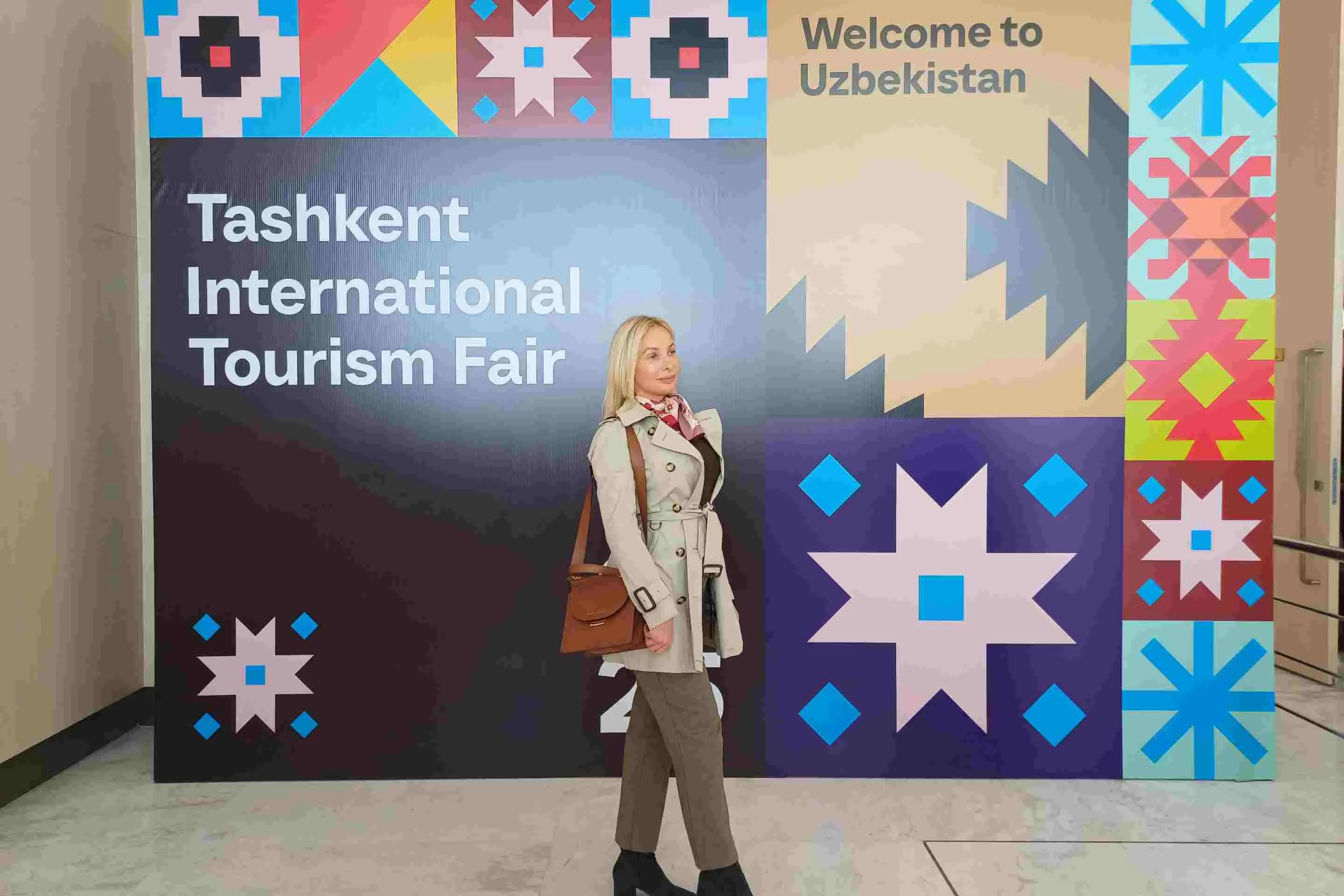
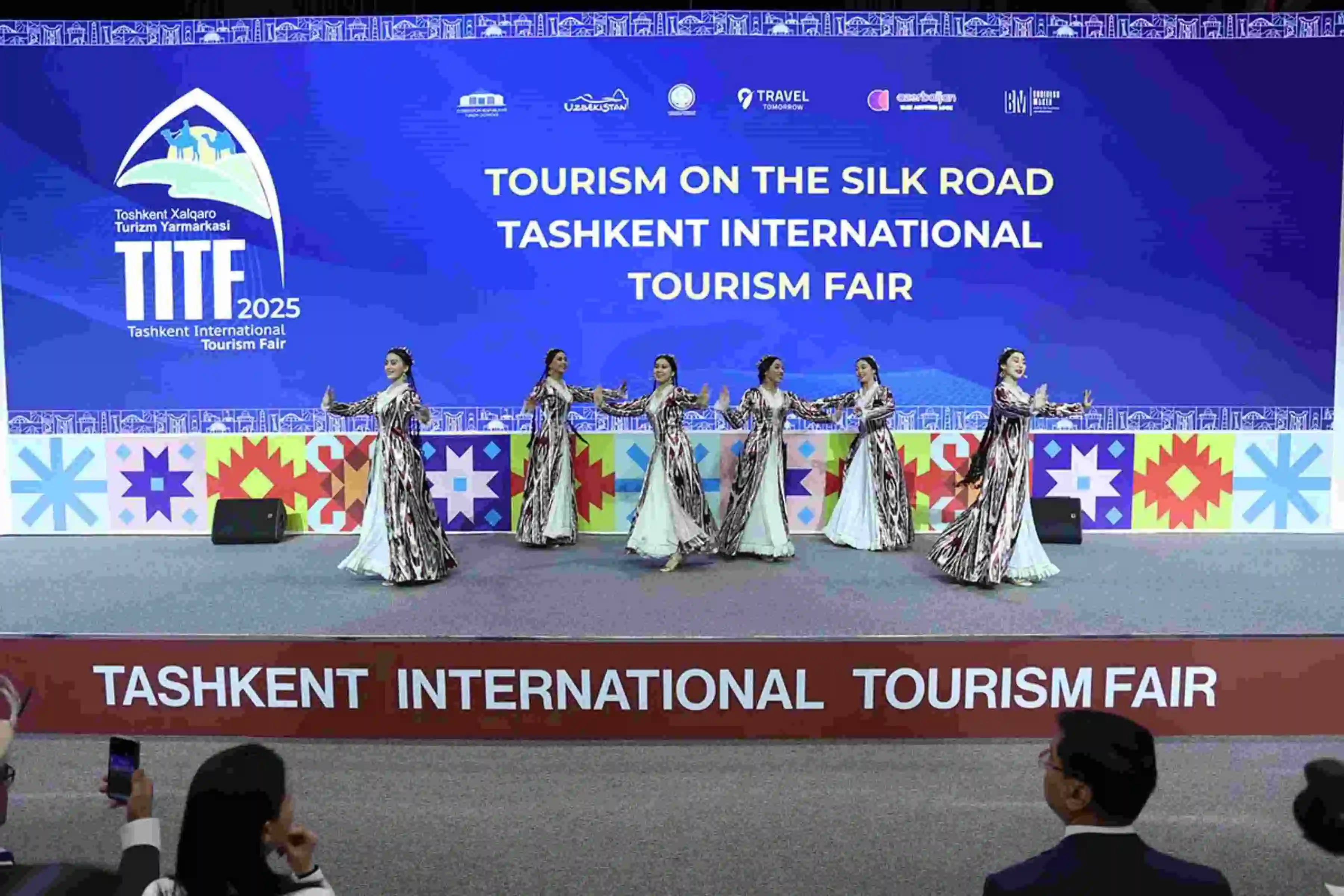
The great cities of the Silk Road have always drawn travellers in search of beauty, history and revelation. This November, they drew something else as well: the world’s tourism community. From 27–29 November 2025, the 30th anniversary edition of the Tashkent International Tourism Fair (TITF) unfurled its banners at CAEx – the Central Asian Expo Uzbekistan, marking a milestone for a nation eager to tell its story anew.
Organised by the Tourism Committee of the Republic of Uzbekistan, the National PR Centre and Interforum LLC, and held with the official support of UN Tourism, TITF has long cemented its status as Central Asia’s largest and most influential tourism marketplace. In 2024, the fair attracted more than 13,500 visitors, 1,500 participants, and over 20,000 B2B negotiations; expectations for 2025 hovered around 15,000 visitors and 300 exhibitors, and the scale of activity suggested those figures were well within reach.
Source: gov.uzSource: gov.uzSource: gov.uz
A fair that mirrors a nation in motion
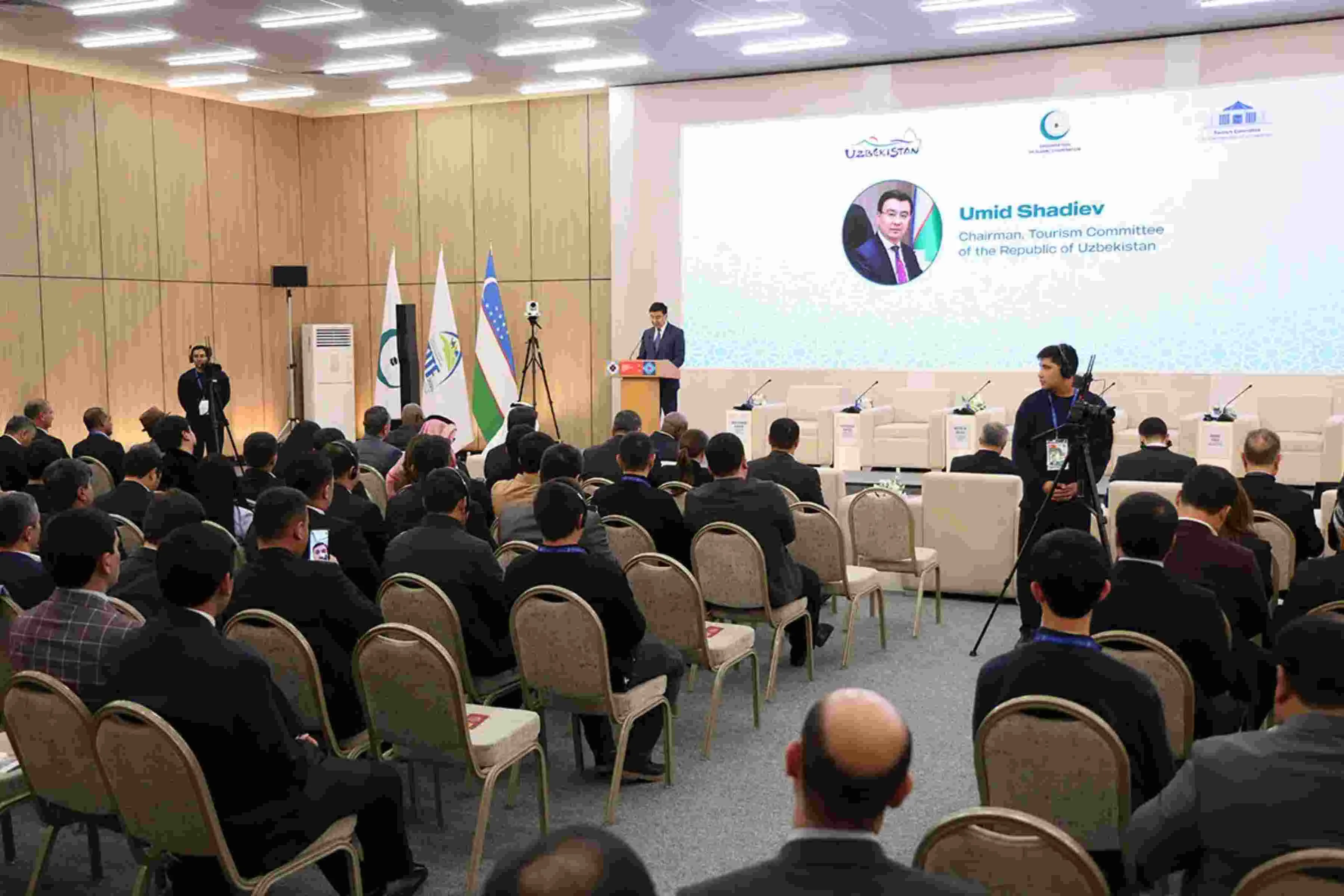
Representing Daily News Hungary, I joined the crowds on the opening morning, where the Main Stage played host to an international roster of dignitaries. Among them were Umid Shadiyev, Chairman of the Tourism Committee; Russia’s Deputy Minister of Economic Development Dmitry Vakhrukov; Nurtas Karipbayev, head of Kazakhstan’s Tourism Industry Committee; Jamshed Jumakhonzoda of Tajikistan; and, by video link, UN Tourism Secretary-General Sheikha Nasser Al Nowais. Their presence affirmed the fair’s growing diplomatic weight.
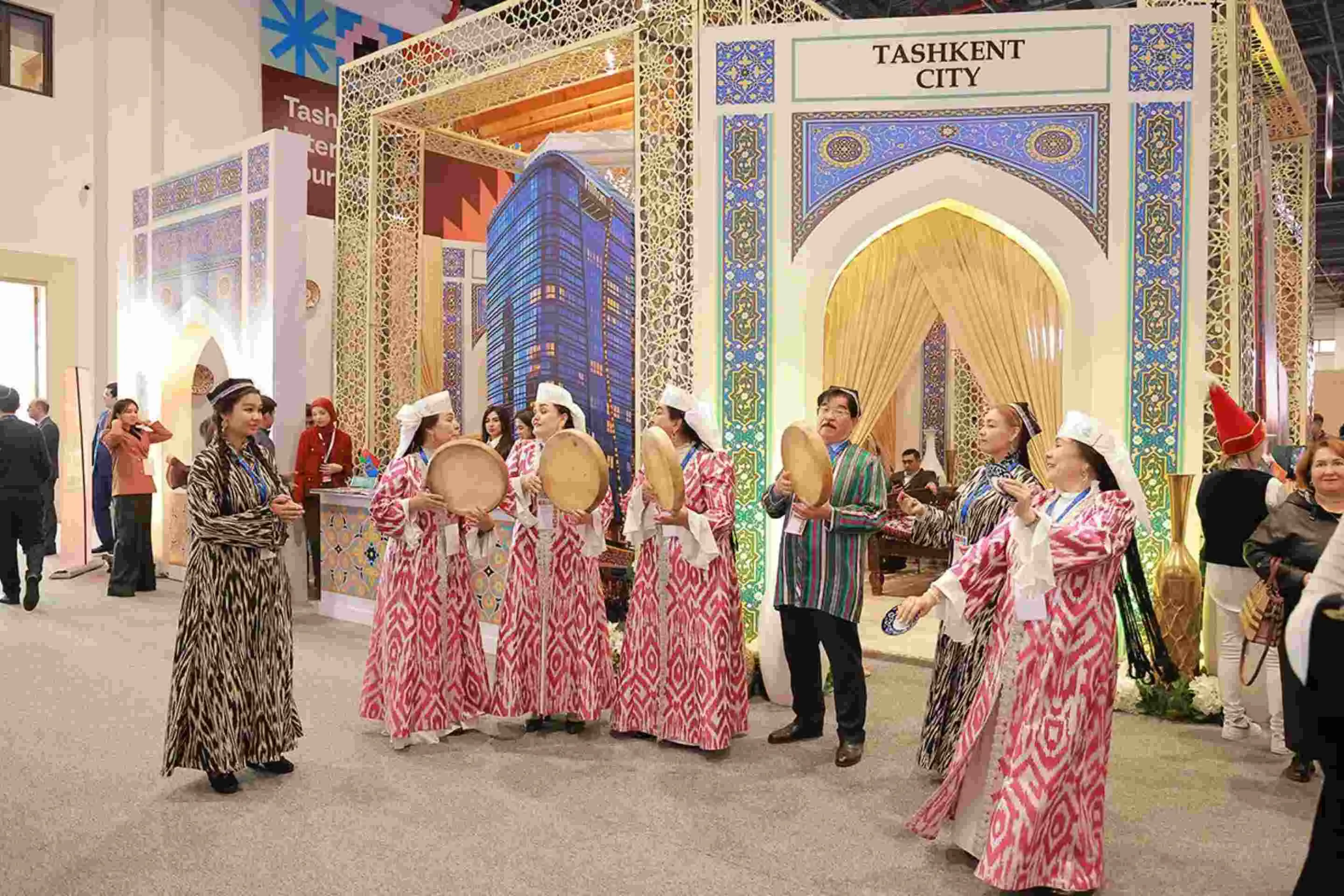
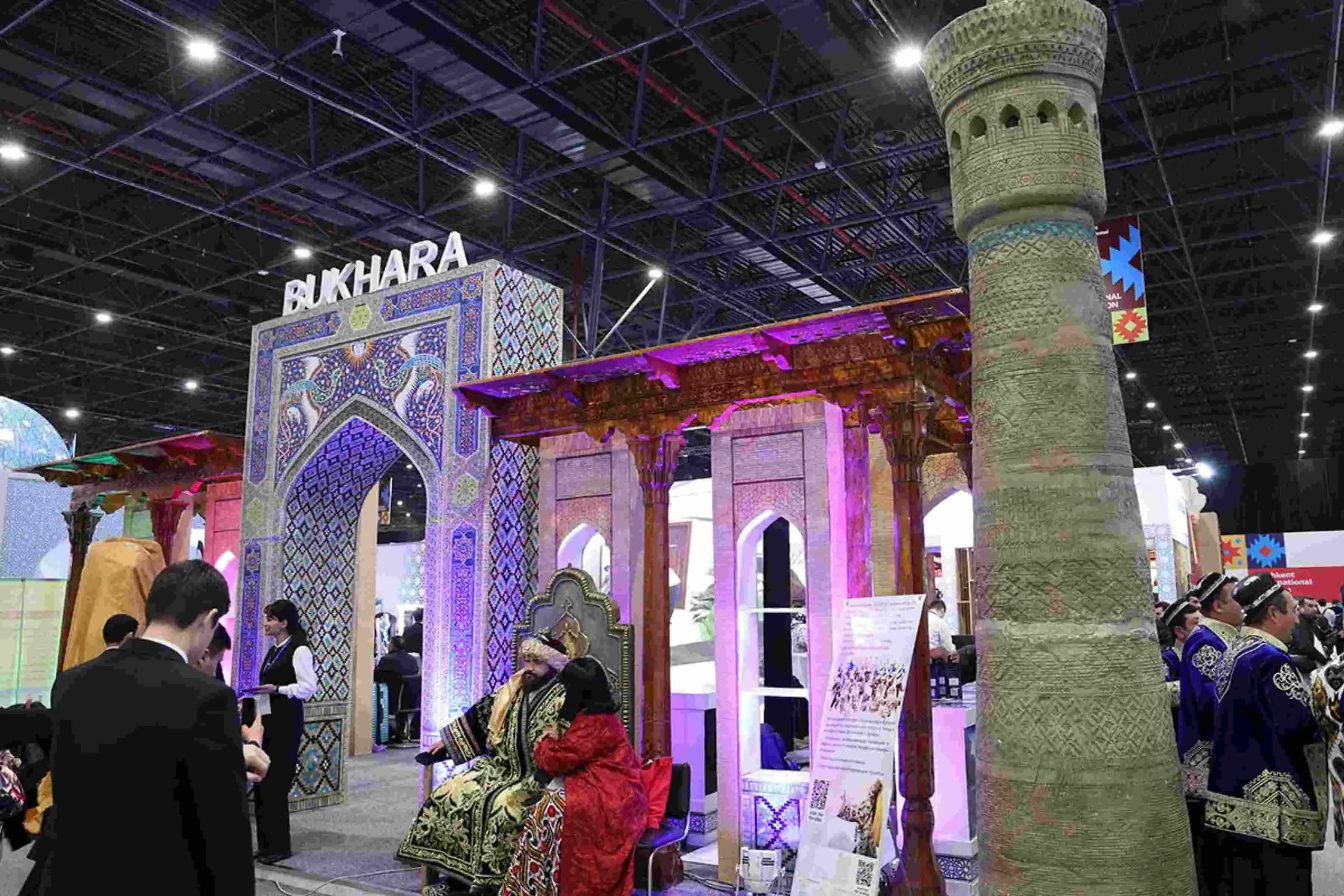
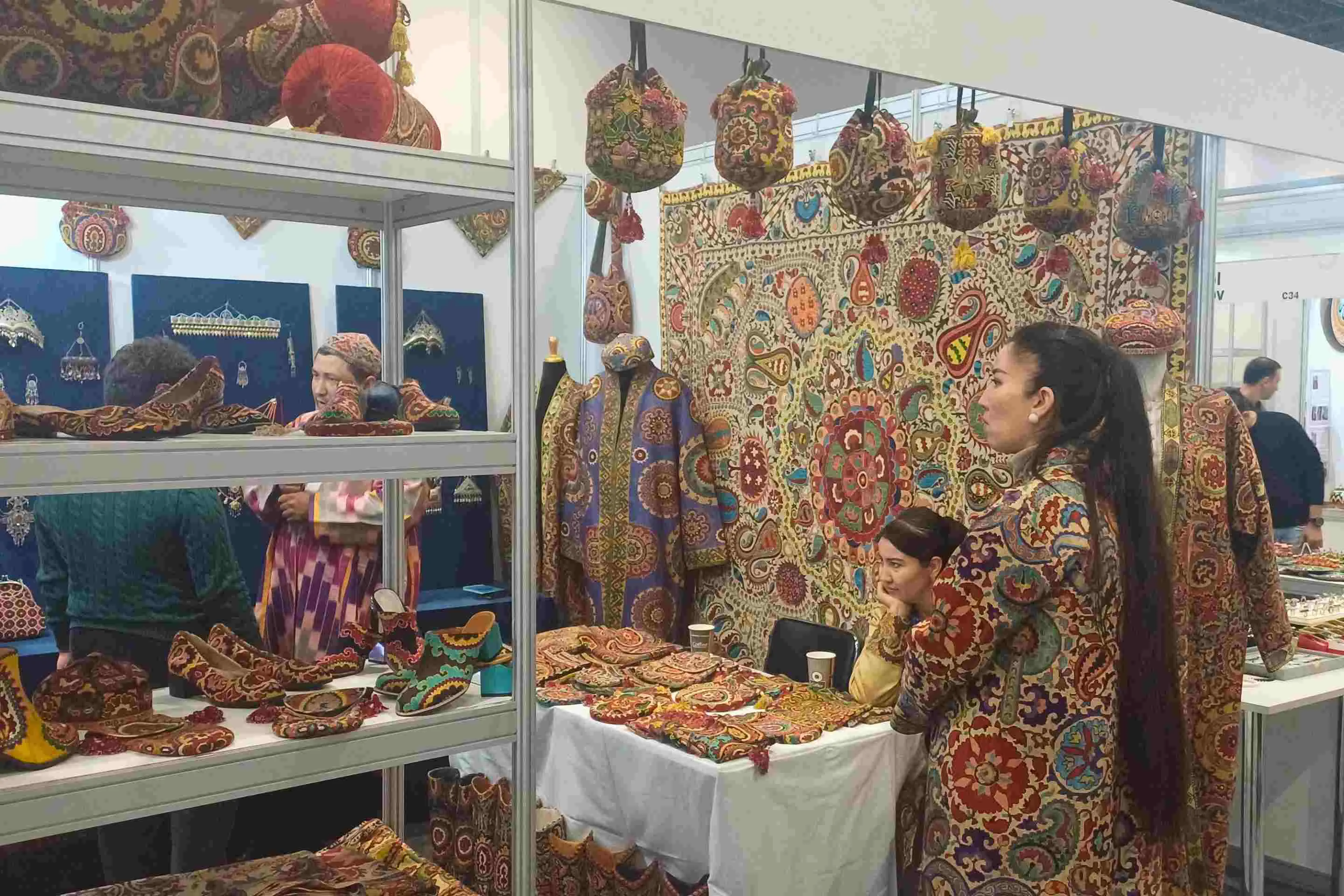
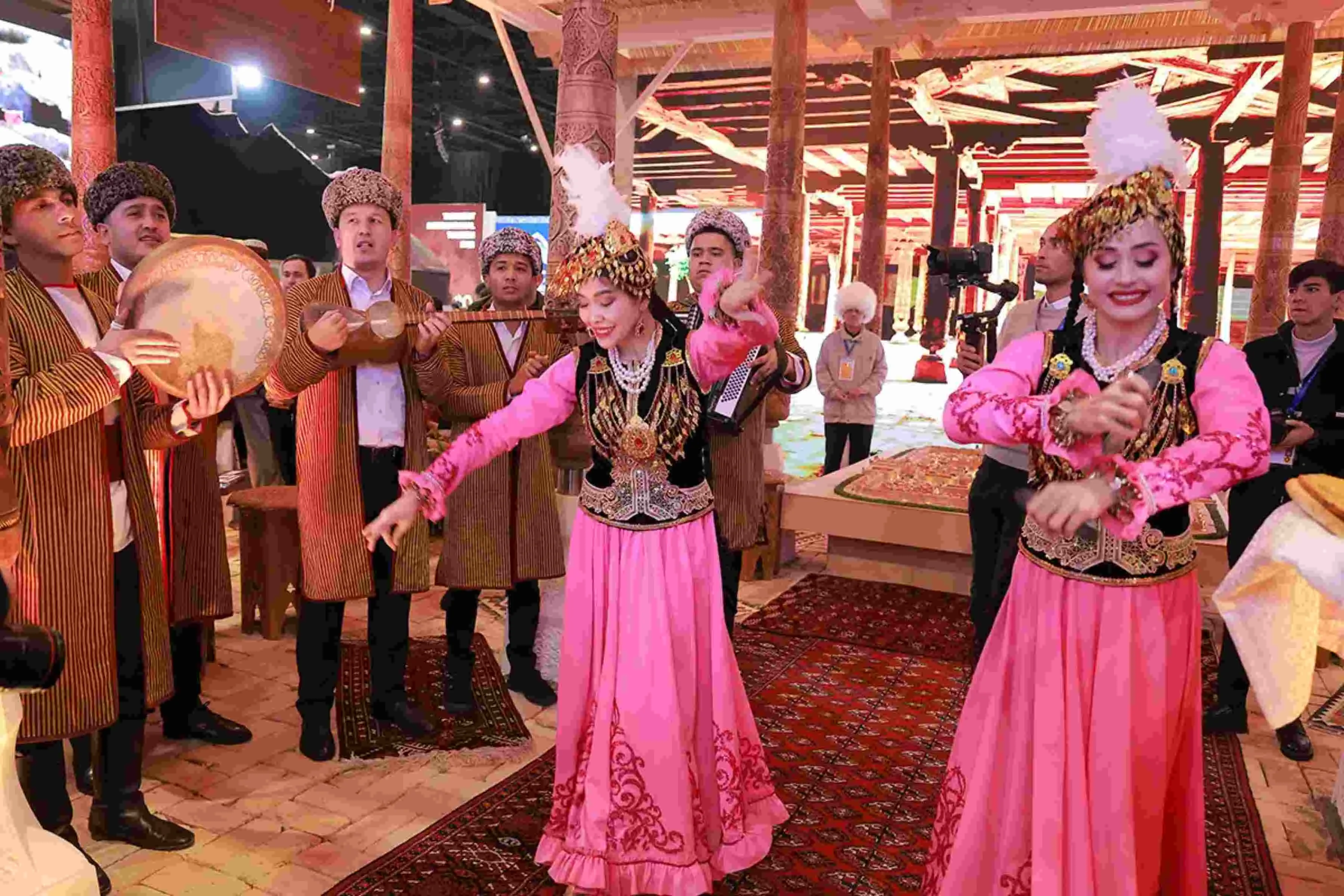
From there, the traditional circuit of national pavilions began: a colourful procession across Uzbekistan’s regions and cultural identities. The Republic of Karakalpakstan showcased the surreal landscapes of the Aral Sea; Navoiy recreated its award-winning mountain village of Sentob; Bukhara, Samarkand, Khiva, Tashkent City and a dozen other regions presented their treasures through models, handicrafts, folk performances and – in the Kashkadarya pavilion – even a traditional swing that became an unlikely star of the show.
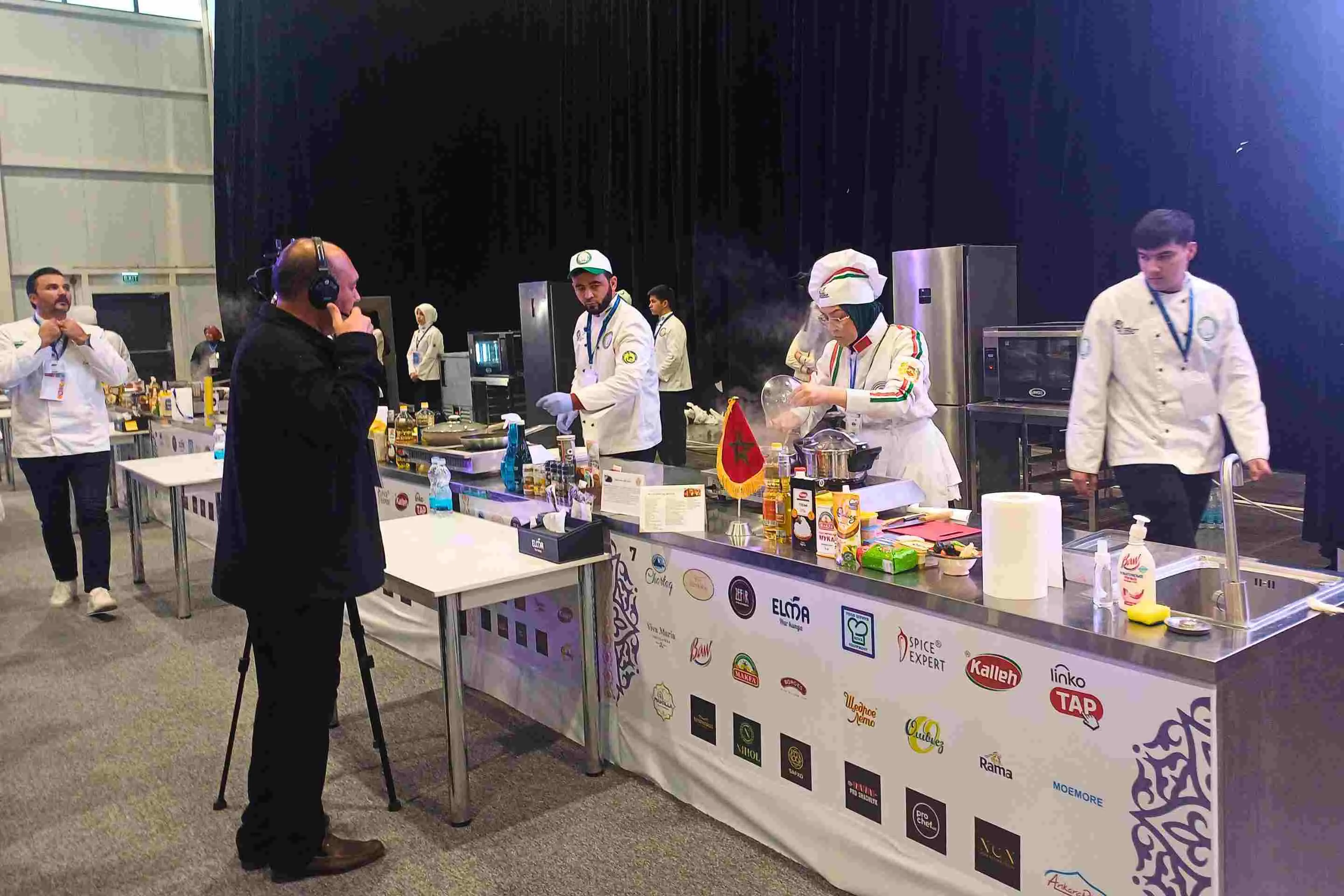
At the same time, the “Delicious Uzbekistan – 2025” International Gastronomy Festival and Chefs Championship, held under WACS standards, became a theatre of culinary diplomacy. More than 200 chefs from over 30 countriescompeted in twelve categories. For visitors, the only real challenge lay in pacing oneself amidst the endless tastings.
My route to the fair was through the TITF Media Campus, a ten-day press tour organised by Aziz Mirdjalilov, Head of Marketing at the Tourism Committee, which brought together journalists, photographers, filmmakers and digital creators from across the world. We travelled through Tashkent, Samarkand, Bukhara and Khiva with our expert guide Sherzod Sultanov. Only moments into the tour, one could understand why Alexander the Great supposedly said that everything he had heard about Uzbekistan is true, except that it is more beautiful than he imagined.
The experience culminated in the Media Forum “Uzbekistan Through New Eyes”, moderated bySophie Ibbotson, Uzbekistan’s Tourism Ambassador to the UK. The forum explored how storytelling, modern media and emotional narratives can shape the future of national tourism branding.
“Tourism in Uzbekistan is developing rapidly and it’s a very exciting time to be involved,” Ibbotson shared her views. “TITF plays an important role in bringing public and private stakeholders together, sharing ideas, and building professional relationships.”
Speakers included Kieran Morris of The Guardian and GQ, German geopolitical analyst Ramon Shack, Pakistani documentary filmmaker Sanaa Tauseef, and Azerbaijani travel photographer Rustam Nabizade, among others.
The discussions reflected the impressions many of us had gathered during the press tour:
The warmth of Uzbek people—genuine, open, always ready for a little chat and a photograph.
The extraordinary coexistence of past and present, where high-speed trains glide between cities built on desert fortitude.
Resilience, particularly in regions shaped by harsh geography and chronic water scarcity.
The ambitious youth, especially students at the Tourism Academy, whose English fluency and confidence made a strong impression.
Safety, which every participant noted—Uzbekistan feels comfortable even late at night. “The only risk,” one campus participant added, “is the amount of food you’ll be offered to eat.”
Source: gov.uzSource: DNHSource: DNH
Forums, flights and future horizons
TITF’s conference programme was extensive. The first day carried sessions on cultural heritage, innovative travel experiences and the OIC Tourism Forum – the latter attended by more than 100 foreign delegates from across the Islamic world. Day two opened with the inaugural “Central Asia – European Union” Tourism Forum, followed by an ambitious gathering on tourism, education and science, where young researchers presented projects involving AI marketing, VR museums and sustainable travel.
Meanwhile, the “UzAir” Aviation Forum drew more than 100 airlines, airports and aviation associations. Opened by Djamshid Abdusalamov, First Deputy Chairman of the Tourism Committee, the forum grappled with route expansion, direct flights, aviation infrastructure and the creation of joint marketing strategies. Several cooperation agreements were signed, reinforcing Uzbekistan’s ambition to emerge as a regional aviation hub.
The Eurasian Alliance of Mountain Resorts added another dimension by unveiling new partnerships with European ski centres and announcing innovations for the 2025–26 winter season – an unmistakable signal of Uzbekistan’s rising adventure-tourism identity.
Discover more in-depth features and updates by exploring our curated coverage of Uzbekistan.
Source: gov.uzSource: gov.uzSource: gov.uz
Diplomacy on the final day
The final day of TITF-2025 proved no less active. At CAEx, Uzbekistan received the EU Special Representative for Central Asia, Eduards Stiprāns, and Mona Borklund of the European Commission (DG MOVE). Discussions centred on sustainable mobility, tourism education, transport connectivity, and turning the new Central Asia–EU platform into a permanent interregional fixture, as gov.uz reported. European partners praised Uzbekistan’s accelerating reforms and expressed readiness to strengthen cooperation, particularly in training tourism professionals and improving air links.
Shortly afterwards, Ahmad Kawesa Sengendo, Assistant Secretary-General of the OIC, met with Uzbek officials to deepen collaboration within the Islamic world, including joint educational programmes, support for pilgrimage tourism and further institutional exchanges. The OIC delegation commended Uzbekistan for hosting the first OIC Tourism Forum and for its expanding leadership role.
There was also a meeting with Nurtas Karipbayev, Chairman of Kazakhstan’s Tourism Industry Committee, where both sides reaffirmed the strength of their partnership and their shared commitment to advancing regional tourism integration.
A Silk Road story still being written
Free shuttle buses kept the fair connected to Tashkent’s key locations – Tashkent City Mall, Hotel Uzbekistan and Kayan Business Centre – ensuring the event felt embedded in the capital’s urban rhythm rather than isolated from it.
By the time the Silk Road Tourism Awards and the closing ceremony drew TITF-2025 to its close, one conclusion was difficult to resist. With sustained reforms, deepening international cooperation and an increasingly confident tourism industry, Uzbekistan’s moment on the world travel stage has arrived.
If the Silk Road once bound merchants and empires, TITF now connects ideas, partnerships and ambitions. In a country where ancient domes, desert citadels and high-speed railways coexist with surprising ease, the past and present are learning to travel together – and the world, it seems, is more than ready to follow.






 ZH
ZH IT
IT DE
DE HR
HR NL
NL FR
FR JA
JA RO
RO RU
RU ES
ES TR
TR