Subscribe to our social channels to get the latest news about Hungary!


On 20 August, Hungarians celebrate the founding of the state. Mini festivals, exhibitions, concerts, and gastronomic events await visitors in the capital on St Stephen’s Day this year.
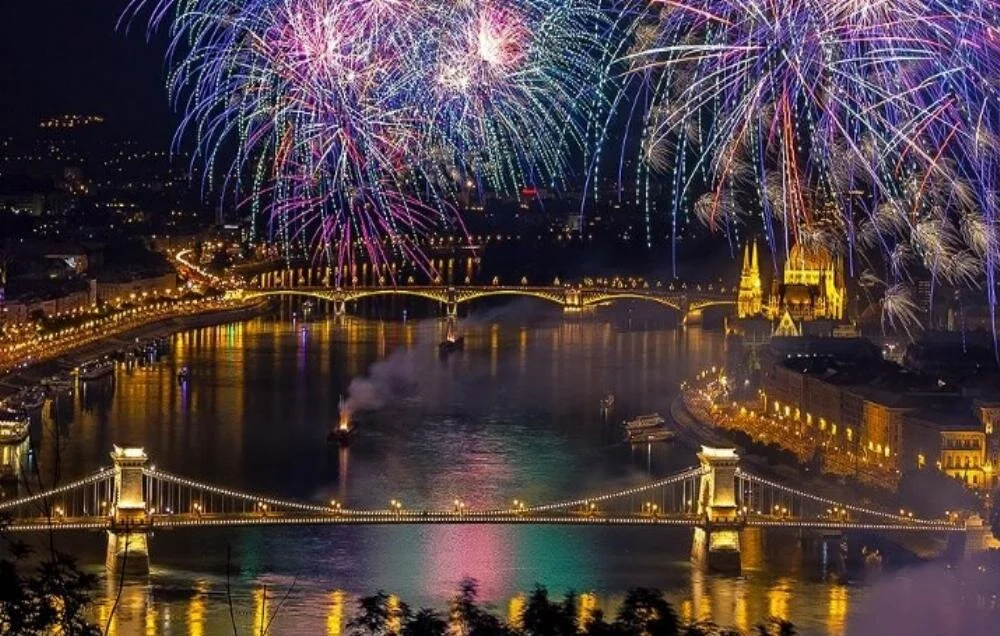
Perhaps the biggest spectacle of the national holiday is the traditional fireworks show, which gets more and more expensive every year, but there are also other exciting events to enjoy. Moreover, as reported by DNH here, the government plans to introduce price caps on several products, including canned beer, to provide affordable drinks on the day of the festivities.
The events will start on 17 August and run until 20 August. There will be classical, popular, and folk music concerts, gastronomic experiences, historical performances, and exhibitions, as well as family events across 19 venues at the most iconic locations of Budapest. Blikk collected the most interesting ones.
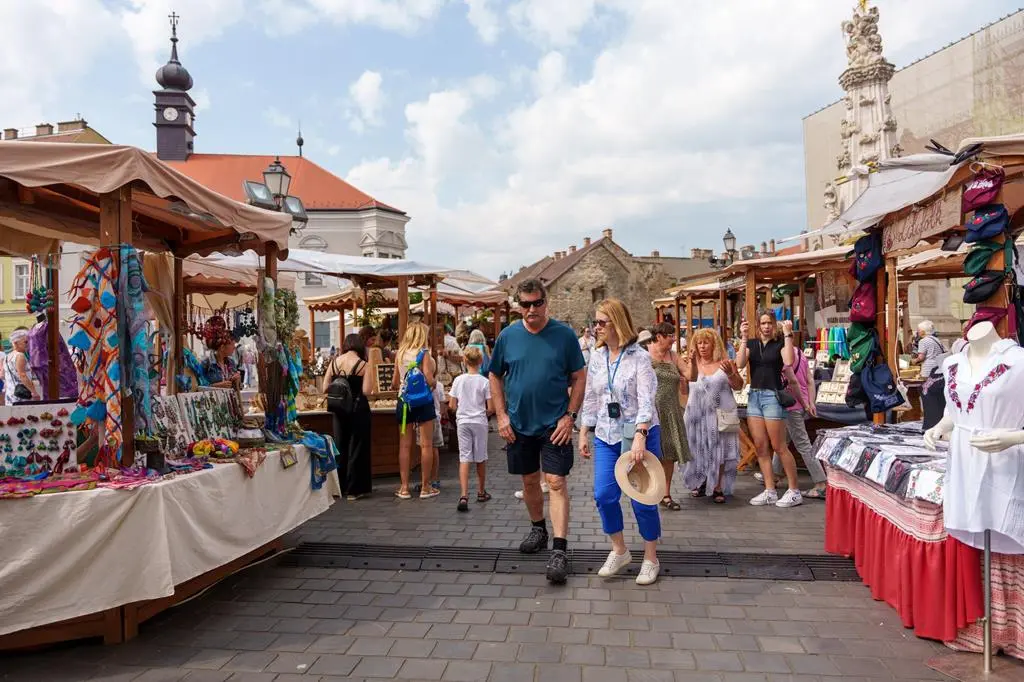
Between 17 and 20 August, visitors can sample traditional Hungarian cuisine at Vörösmarty Square, at the Csárda (Tavern) Festival. In addition to St. Stephen’s Day bread, people can also get a taste of roasted pig, Hungarian sausages, or lecsó (a Hungarian vegetable ragout or stew with peppers, tomato, and onion). The food will be accompanied by authentic Hungarian folk music and dancing to ensure that spirits are high throughout the whole four days.
For three days between 18 and 20 August, visitors to Vigadó Square will be able to listen to piano solos performed by the best Hungarian bar pianists. From French chansons, classics, and American bar music to Hungarian hits, a wide array of songs are to be expected to provide ambience for the scenery along the Danube. The music will be accompanied by drinks, with a wide range of cocktails, wines, and beers on offer.
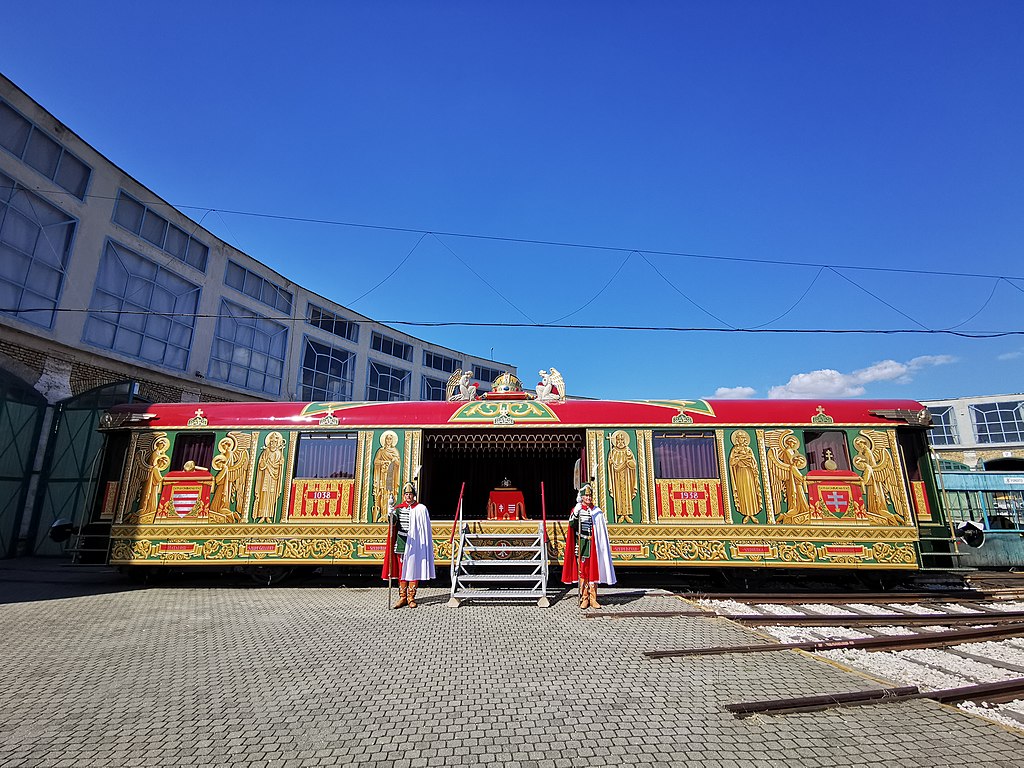
From 18 to 20 August, the royal treasures of the Golden Train and the Holy Right will be on display right next to the Parliament. The train is an important Hungarian relic, the original of which was built in 1938 to transport the national relic of the Holy Right (the right hand of King Stephen I) around the territory of Greater Hungary. Although the train was destroyed in the Second World War, it was authentically rebuilt and is now part of the 20 August festivities.
For lovers of classical and symphonic music, Panorama Classical offers an unparalleled live music experience, with symphonic and jazz orchestras performing classics and film scores on Gellért Hill between 18 and 20 August.
On St. Stephen’s Day, 150 actors and actresses will perform 10–15-minute scenes on the Tóth Árpád promenade, depicting seven fate-turning events and the exploits of seven great heroes of Hungarian history. In addition to King St. Stephen, for example, János Hunyadi will also be brought to life in a programme that is sure to be exciting for young and old alike.
The Magic Grove programme will bring together the most famous Hungarian fairytales and children at the City Park of Budapest. Commemorating iconic storytellers in a setting of “King Stephen’s court” near Vajdahunyad Castle, there will be a magic show, puppet theatre, fairground shows, and an exhibition of the Hungarian Defence Forces’ vehicle fleet.
From 18 August, the Millenáris will celebrate Hungarian fashion designers and craftspeople, providing contemporary designers an opportunity to present themselves to the public. In addition to literary performances, contemporary Hungarian films will be screened. The event will also have an educational dimension: besides promoting the creative professions in the country and building community, it aims to offer participants the opportunity to try out creative professions in various workshops.
From 19 to 20 August, tourists will be able to discover the world of electronic music at a mini festival on Erzsébet Square. A picnic setting with friends, floral decorations, delicious food, cold drinks, and popular DJs await you from early afternoon until late evening.
For more information on the programmes, visit the St. Stephen’s Day website HERE.
Read also:
Source: Blikk


