Subscribe to our social channels to get the latest news about Hungary!


Hungary has launched a landmark water infrastructure project aimed at halting desertification in Hungary, with a HUF 67 billion (EUR 166 million) investment focused on revitalising the drought-stricken Homokhátság.
As Magyar Építők reports, in a significant step towards addressing water scarcity and desertification in Hungary, the government has launched a HUF 67 billion (EUR 166 million) investment as part of a broader national water management strategy.
The project includes the construction of pumping stations, pressure pipelines, dams, and reservoirs to supply water to the drought-stricken Homokhátság region between the Danube and Tisza rivers. Zsolt V. Németh, State Secretary at the Ministry of Energy, described the project as the most advanced flood protection system in Europe, reflecting over HUF 170 billion (EUR 421 million) invested in the past decade to replenish water resources across the country.
The initiative focuses on improving the ecological water supply in key settlements such as Hajós, Kunfehértó, Kiskunhalas, and others. Government Commissioner Gábor Bányai emphasised the urgency of the situation, noting the dramatic rise in hot, dry days and evaporation rates in recent years.
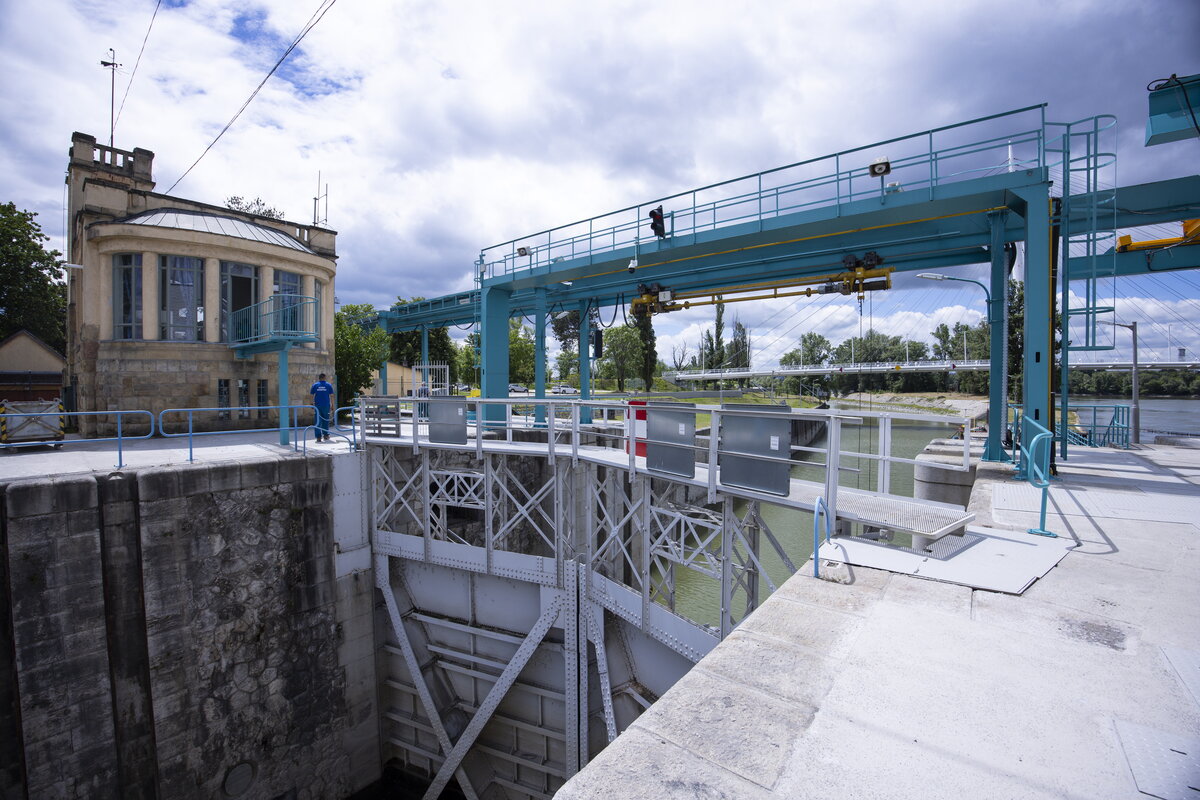
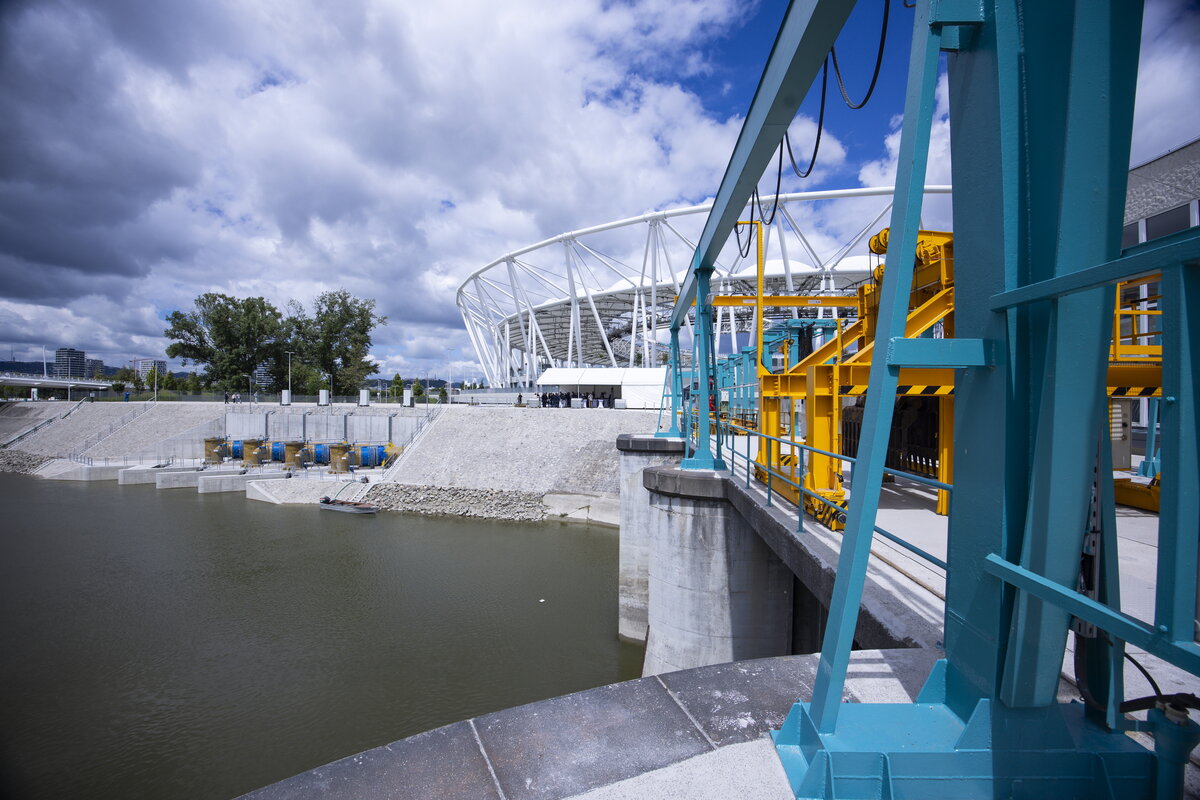
A major milestone in the project is the Kvassay sluice renovation and the construction of a high-capacity pumping station, aiming to reconnect the Danube and Tisza river systems and revive the diminishing groundwater reserves that are vital for the environment and agriculture.
Sándor Font, Member of Parliament for the affected region, highlighted the decades-long struggle to address the persistent drop in the Homokhátság water levels. He praised the current government’s decisive action, with permits secured and funding guaranteed, enabling the long-delayed project to begin. The first phase alone will invest HUF 67 billion (EUR 166 million) in restoring the region’s hydrology and preventing further land degradation, a key concern in tackling desertification in Hungary.
According to water management officials, a reservoir in Kéleshalom will be filled using a system that lifts water 45 metres above the Danube. The infrastructure will allow a flow of three cubic metres per second in the initial phase, with plans to expand it to eighteen. These efforts mark a critical move to rehydrate the region, turning previously drained flood canals back into functioning water delivery systems. If successful, this comprehensive programme could save 11,000 square kilometres of the Homokhátság from drying out and becoming a desert, thus stopping desertification in Hungary.
Click HERE for more climate news.
Read also:


