Subscribe to our social channels to get the latest news about Hungary!


The most beautiful chapels of the Hungarian sea can be found next to wine yards, on top of mountains and in the middle of big open fields. Most of these buildings are related to some kind of legend or interesting story which makes them even more valuable and attractive for visitors. Here are our top five picks!
This small Baroque-style chapel was built to honour Donatos of Arezzo, the protector of grape-owners and wine-makers. The chapel was built somewhere in the 18th century, and the first official church paper mentions the building in 1815. This small jewel is considered to be the most attractive sight of the whole Somogy County. The chapel is located 300 meters above the ground and definitely worth visiting for a wonderful view and a fantastic experience.
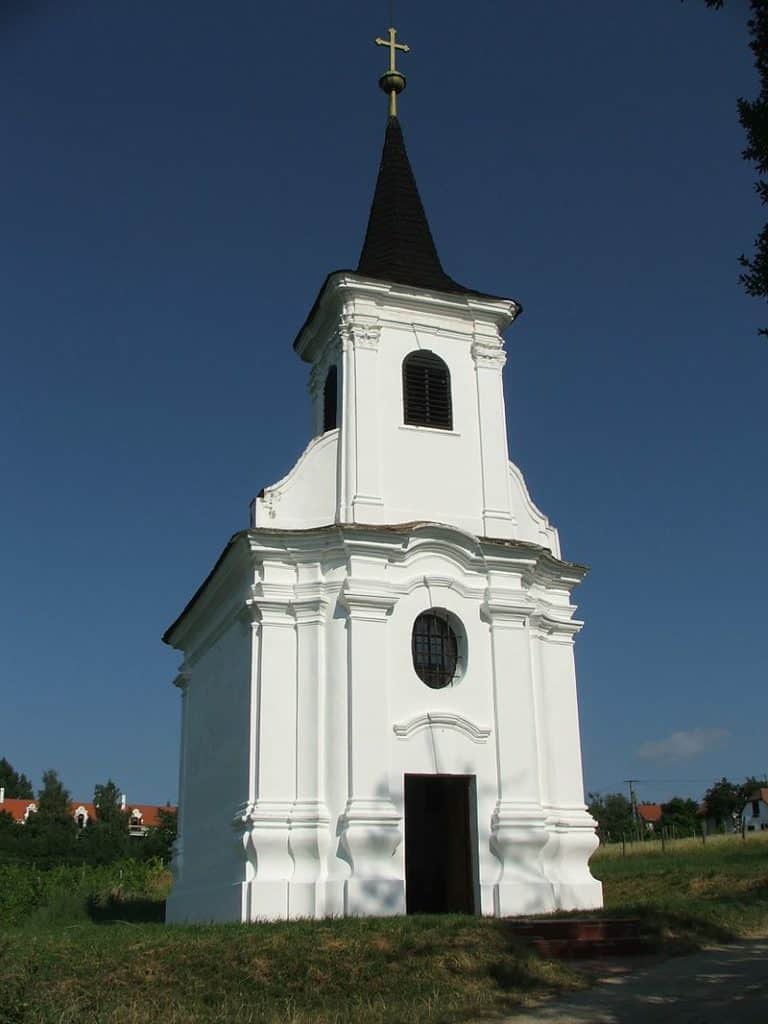
With its yellow walls and church-lookalike, the chapel is the symbol and most iconic building of the entire Szent György-hill. The Lengyel family built the chapel around 1760 in place of Szent György Chapel which was built at the beginning of 1400 but later destroyed. The chapel features an incredible look to Szigliget, and the nearby wine cellars give an excellent opportunity for hiking.
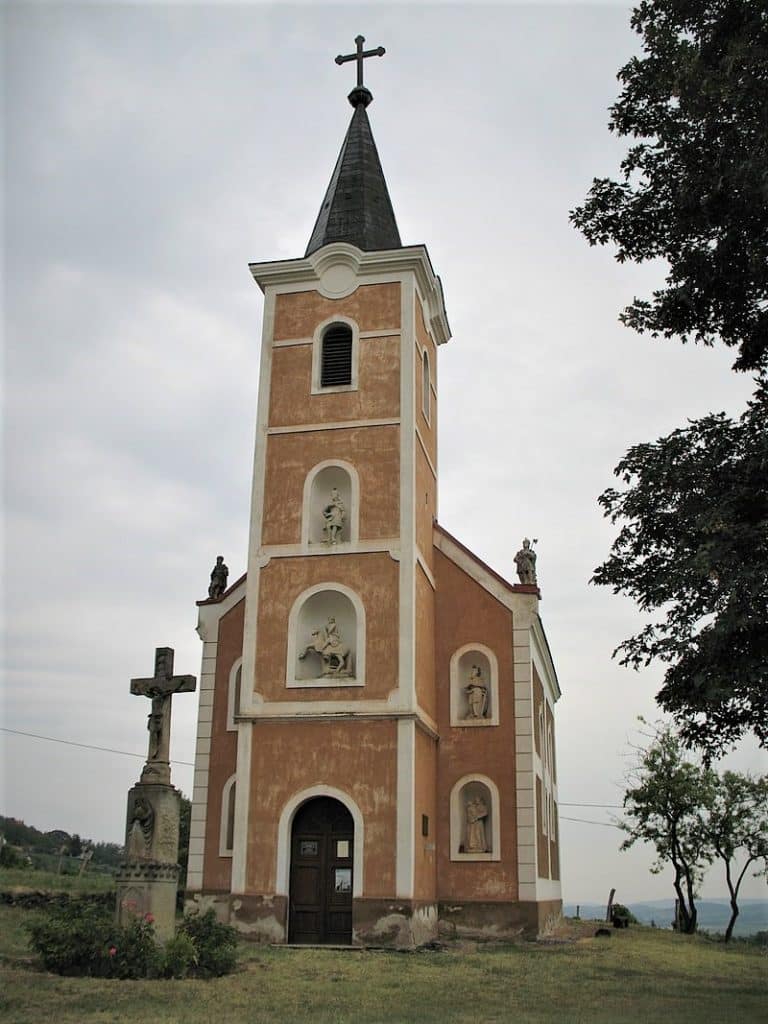
There is an old legend related to this chapel which is the country’s only fisher-chapel. In 1739, a team of fishermen got into severe danger when on the frozen Balaton the ice broke under their feet, and they started to flood in the cold water. Six of them died, but the other forty survived thanks to the wind which changed the direction of the flooding water and helped the fishermen escape on the shores of Vonyarc. To celebrate their survival, they built the chapel. According to historians, this story is not true because the chapel was built before 1739, but the story is still stunning.